Blog Archives
Keeping it weird: The September 2026 Bibliofiles
September was a good month for reading for me, and I loved the weirdness of all these books.
Fiction
The Intrigue by Silvia Moreno-Garcia
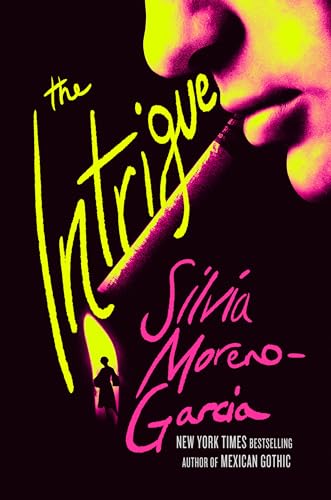
If Mexican telenovelas meets noir mystery is your thing, then you need to check out The Intrigue by Silvia Moreno-Garcia. Con man Ulises works his way into the life of the aging Perla to steal her money, but things go sideways when he encounters Perla’s niece, Ines, who has schemes of her own. The two hatch a plot to kill Perla but nothing goes according to plan in this small, steamy town, and soon passions and intrigue reach the boiling point.
Absence by Andrew Dana Hudson
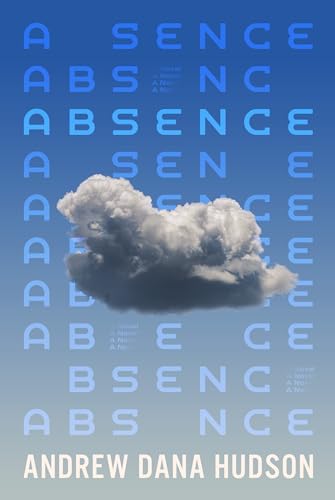
The whole time I was reading Absence by Andrew Dana Hudson I found myself wondering if it was a response to the COVID pandemic or our apocalyptic times in general.
The book follows two federal agents, Harvey and Shonda, who investigate people who “pop” — that is, suddenly disappear with no explanation. The entire world seems to infected with whatever is happening, and there are spikes where people will vanish in virus-like clusters.
The strange phenomenon has reshaped society, with some communities growing more insular and suspicious, and cults springing up with all manner of unhinged explanations for what is happening.
But when a woman who popped suddenly reappears and describes what happened to her on the other side, Harvey and Shonda are thrown into a metaphysical mystery that touches on faith, community, hope and everything in between. The question is whether the enigmatic woman is a prophet or a fraud.
If you like this sort of apocalyptic litfic, you may want to check out Ben Winter’s The Last Policeman series, about a detective solving crimes as the end of the world looms. Also related is The Devil’s Detective series by Simon Kurt Unsworth, in which a detective grapples with mysteries in Hell.
The Buffalo Hunter Hunter by Stephen Graham Jones
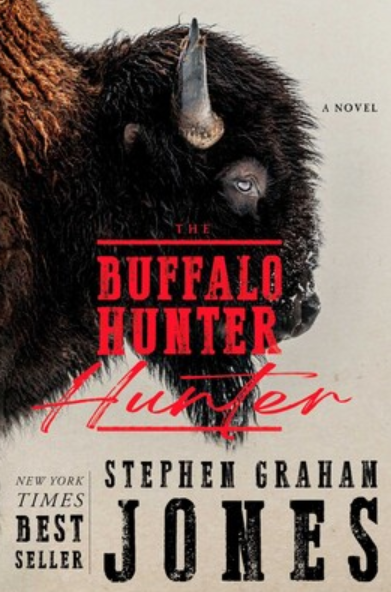
A truly weird western vampire tale told through found documents and multiple points of view that is much about the horrors of colonialism as it is about the supernatural. But it is very much about the supernatural, only one seen through an indigenous lens. Strange, unsettling, wildly fantastic and a thing unto itself.
A Trade of Blood by Robert Jackson Bennett
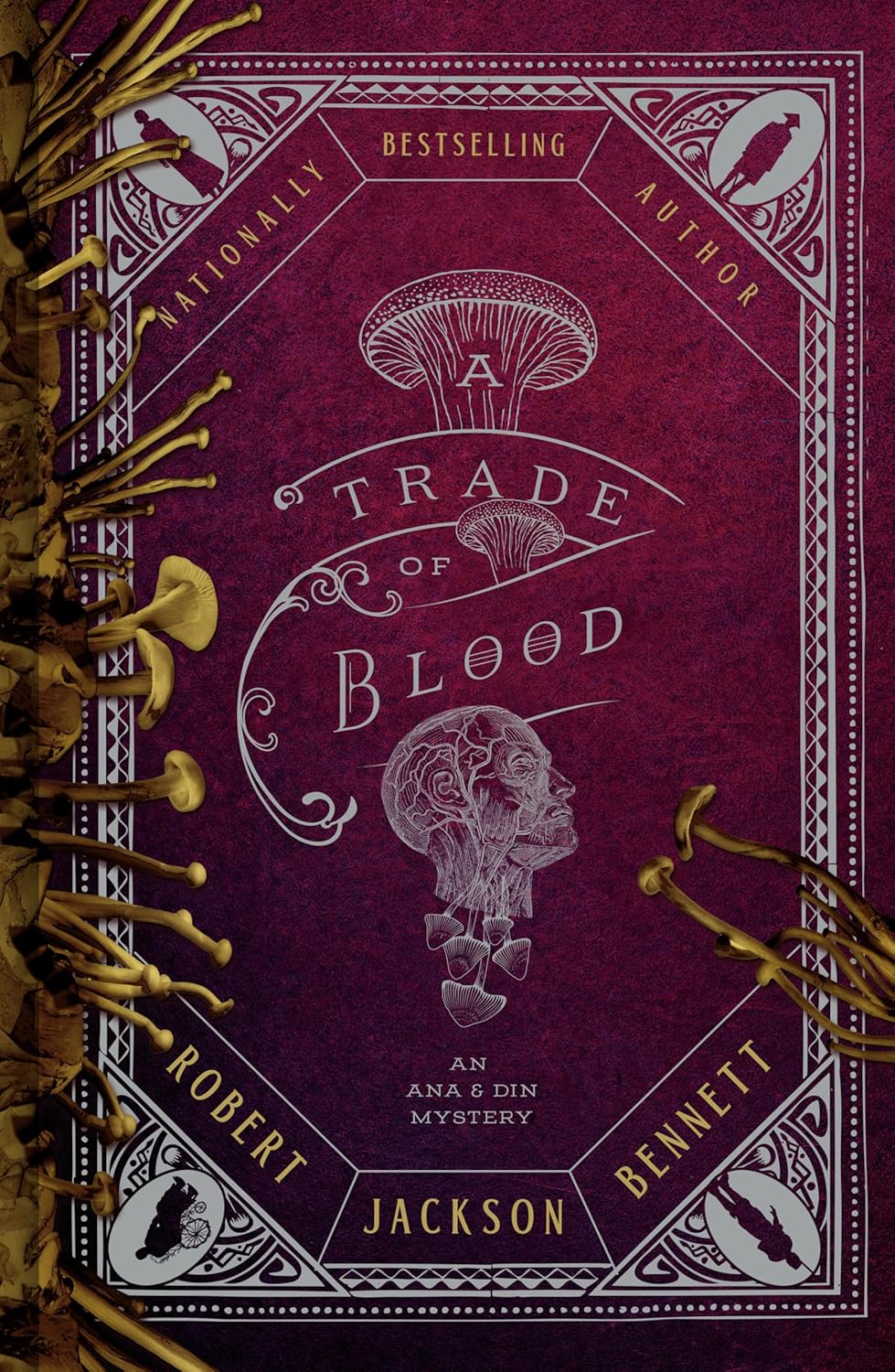
The third book in Bennett’s Tainted Cup series, A Trade of Blood follows the detective duo of the strange sleuth Ana and her sidekick Din into the agricultural heart of the empire. Another peculiar death has taken place and only Ana and Din can solve it.
A Trade of Blood ventures into little explored territory in the fantasy genre — how many other fantasy novels concern themselves with the logistics of agriculture? But what seems at first a simple “behind the scenes of the empire” tale quickly becomes a hybrid mashup of locked room puzzles, political thrillers, body horror and the legacy of the past.
If you’re already a fan of Ana and Din, then A Trade of Blood is a must-read.
The Girl Who Folded Rain by Rod A. White
A charming little story about a girl who can turn the weather into origami figures.
Link: https://flashpointsf.com/2025/12/12/the-girl-who-folded-rain/
Non-fiction
New prize named for late author Andrew Pyper will recognize horror and thriller writers
The new $20,000 prize will go to writers of thrillers, horror and speculative lit.
The prize will be administered through the Writers’ Trust of Canada. To be eligible to win, writers must have published at least three books in the horror, thriller or speculative fiction genre. Thanks to a massive campaign, enough money has been raised to support the prize for seven years.
Link: https://www.cbc.ca/radio/thecurrent/andrew-pyper-prize-writers-legacy-9.7333138
Mark Carney: Why I Believe Canada’s Future Lies with Europe
Say what you will about Canadian Prime Minister Mark Carney, he’s got one hell of a speechwriter.
Link: https://thewalrus.ca/mark-carney-european-parliament-speech/
In Praise of the Weird, the Strange and the Uncategorizable
Keep lit human by keeping lit weird.
Link: https://www.wolsakandwynn.ca/blog/in-praise-of-the-weird-the-strange-and-the-uncategorizable
A lament for book publishing and other hells: The August 2026 Bibliofiles
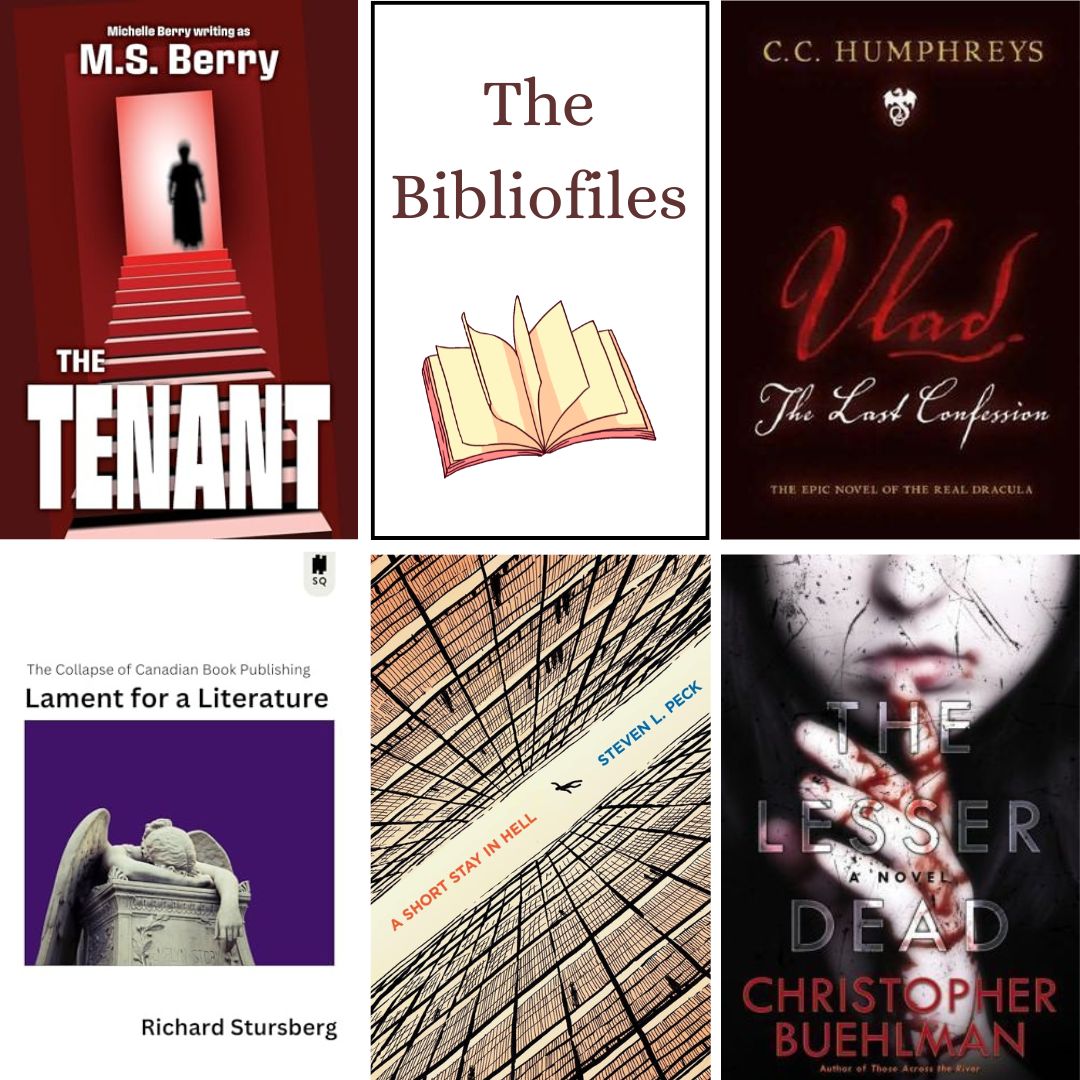
August always feels like the fading of a time to me, so it’s appropriate that much of my reading for the month was focused on the precariousness of book publishing. And vampires!
Fiction
Vlad by Chris Humphreys
I’ve long been a fan of Canadian writer Chris Humphreys and his historical fiction. Shakespeare’s Rebel, Plague, the Jack Absolute novels — they’re all some of my favourite reads.
(I know Humphreys doesn’t live in Canada anymore but he’ll always be Canadian to me!)
I finally got around to reading Vlad and wish I had done so years earlier, as it’s one of his best works.
Humphreys takes the figure of Vlad the Impaler and creates a real human being behind the monstrous legends, one whose cruelty is not mindless but deliberate and forged in pain and suffering.
The book follows Vlad through his childhood years trapped in the Ottoman court to his later rise to the leader of Wallachia, a kingdom torn apart by corruption and political infighting. Vlad unifies the kingdom through terrifying displays of power so that he can take on the Ottoman Empire. His rise to power and devotion to duty comes at terrible cost, though, as Vlad must sacrifice his love and everything else that matters to him.
It’s a tale of truth vs. legend, and of the real people behind history’s horrors.
And if anyone knows history, it’s Humphreys. He’s one of the best historical novelists alive, and his attention to historical detail, politics, court intrigues and more is unmatched. Humphreys immersed himself in both the legends and the historical sites of his novel, and it shows in every page. Another masterpiece from a master writer.
The Tenant by MS Berry
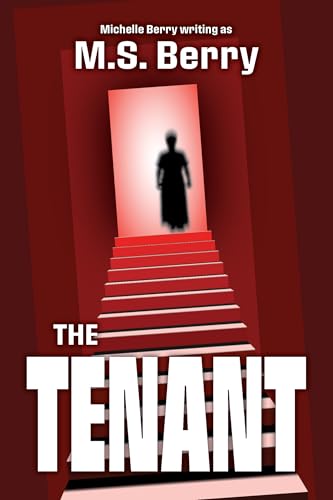
Ever wish your favourite writer would hurry up and finish a new book? Have you considered embarking on a murder spree to help them along?
That’s more or less the premise of The Tenant by MS Berry, otherwise known as the Canadian author Michelle Berry.
Writer Amy Ellis moves to Freiburg, Germany, for a year with her husband and young daughter in the hopes it will help break her writer’s block. It turns out writing has become challenging since she started a family. Who could have known?
They find their rented flat already occupied by the mysterious Eleanor, an old and odd English woman who soon inserts herself into the family’s life.
Eleanor isn’t just odd, though — she’s also a serial killer. And Amy is her favourite author. Eleanor is killing people with the hope it will give Amy plot ideas for her next book.
But when the book doesn’t meet the killer’s expectations, she decides to take things into her own hands and the book moves from psychological mystery to thriller.
So what do we have to do to hurry along the next book by MS Berry?
The Lesser Dead by Christopher Buehlman
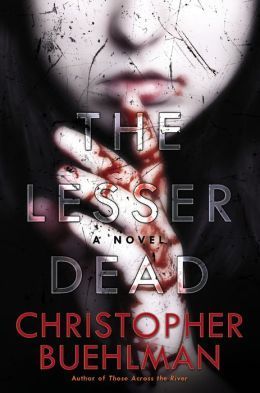
The Lesser Dead is one of the creepiest vampire tales I’ve ever read and way more complex than it initially seems to be. It follows the vampire Joey, who’s been trapped in a teen body for some time and living with a clan of vampires in the city’s underground. They’ve established a careful routine of bleeding favourite victims but not killing them, so they can essentially go unnoticed forever.
That all changes when they encounter a pack of feral children vampires who are much more bloodthirsty than them. Joey and his pack try to tame the younger vampires but things get very strange. And very bloody.
A must-read if you are into vampire stories or a fan of Christopher Buehlman.
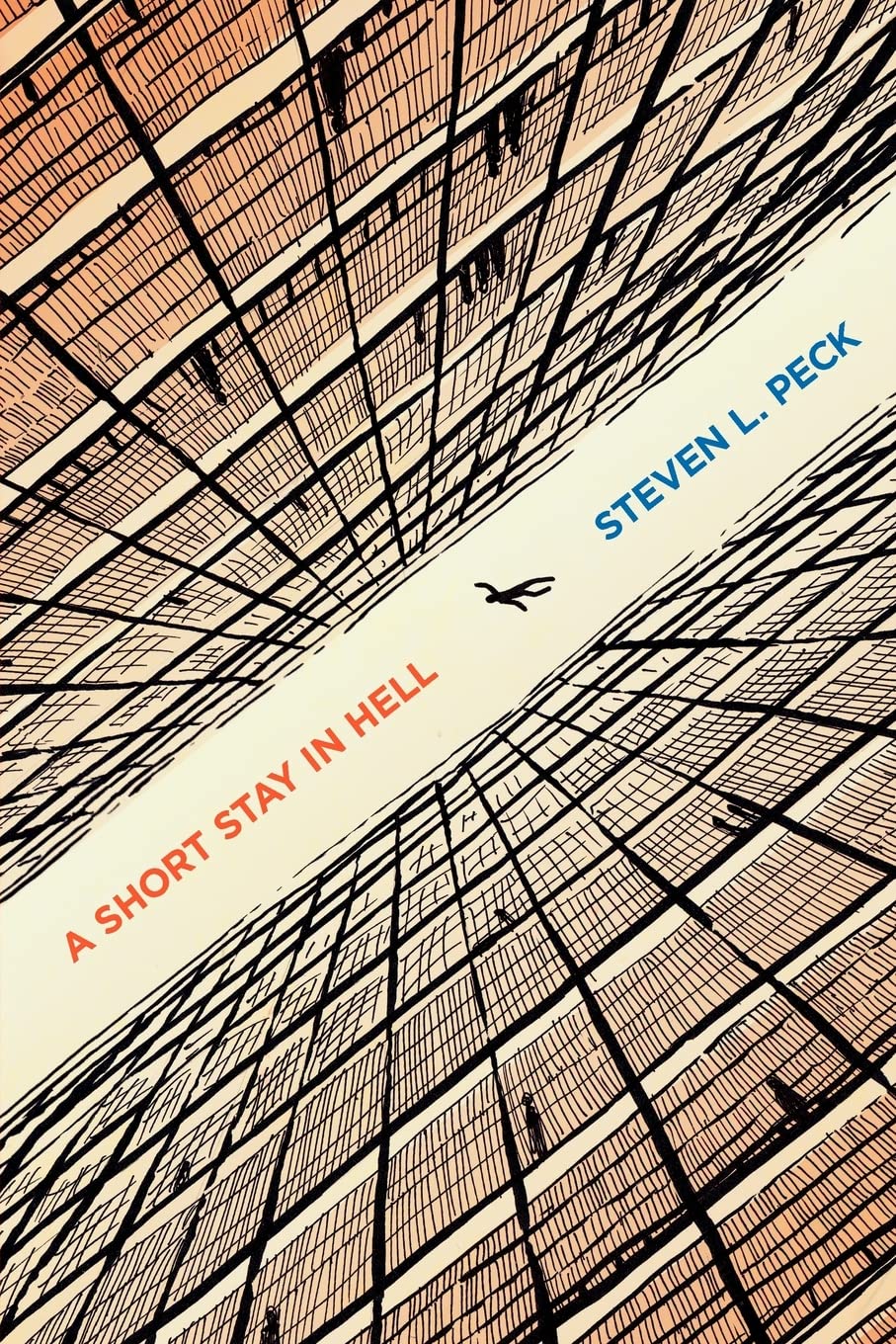
A Short Stay in Hell by Steven L. Peck
I’ve long been a subscriber to Borges’ notion that paradise will be a kind of library.
But what if Hell is a library?
That’s the premise of the novella A Short Stay in Hell by Steven L. Peck. It follows Soren, a Mormon who dies and finds himself in the waiting room of Hell. A bureaucrat demon explains to him that pretty much everyone winds up in Hell for not following the one true religion, which turns out to be Zoroastrianism. Every one of the damned gets condemned to their own personal Hell, which in Soren’s case is an endless library.
Well, that doesn’t sound so bad. But of course there’s a catch.
The library contains every book that can be written, but the books don’t have to make sense. So everything around Soren and the other damned are texts of gibberish. The only way they can escape is to find the books that tell their earthly life story — a search that promises to take all eternity.
A Short Stay in Hell is beautiful and terrifying at the same time — and unlike anything else I’ve read. It’s like some strange book discovered in the library of Hell itself. My only complaint with it is its length — I wish it were a full novel rather than a novella. But that’s Hell for you.
Leprechaun Gold Accepted by Vivian Chou
A delightful little story told as updates to a Go Fund Me for a fairy attacked by toddlers.
Link: https://flashpointsf.com/2024/03/08/leprechaun-gold-accepted/
Non-fiction
Lament for a Literature by Richard Stursberg

Canadian publishing is the weakest domestically owned publishing sector in the industrialized world.
That is the argument put forward by Richard Stursberg in Lament for a Literature, but it’s nothing new for any of those involved in the Canadian culture scene. We’ve all been witness to a once-proud publishing ecosystem “deeply engaged with exploring and understanding Canada” becoming little more than a dumping ground for American publishers.
Stursberg points to a number of reasons for this, including government inaction as multinationals took over Canadian publishing and almost all of the domestic market. HarperCollins, Penguin Random House and Simon & Schuster became the key players in CanLit over a period of time thanks to purchases and consolidation, but they have little interest in maintaining the proud and innovative tradition of that same CanLit.
“They were essentially vehicles for the sale of foreign, most American, books,” Stursberg writes. “They were not much interested in Canadian authors unless they were well established, in which case they were happy to poach them from the smaller Canadian-owned publishers.”
Combine this with the rise of Chapters and Indigo, and you had the perfect storm for Canadian publishing. Chapters was able to insist on discounts because of their size, which meant less margin for smaller publishers. The big multinationals, of course, could afford it or negotiate their own terms.
Amazon has played a role as well, with its recommendation engine favouring popular books, which skews heavily toward the American market.
If all this weren’t bad enough, the decline of newspapers and other media further added fuel to the fire, with books sections usually among the first to get cut.
So can anything be done to reverse the death of Canadian publishing?
Maybe.
Certainly the Canada Council is a lifeline of sorts, but it is only that: a source of funding that helps some publishers and writers survive but only barely. Stursberg argues convincingly that more needs to be done in terms of government support and points to the models used to bolster Canadian television and film as an example. It’s a descent into bureaucratic madness too convoluted to get into here, but basically Canadian publishing is stuck in a competition funding model whereas the film and TV funding works more on rewarding Canadian production.
At the same time, Stursberg states that Canadian funding needs to move away from identity politics as it has become more of a wedge that divides than a unifying and progressive force: “These strictures have narrowed the boundaries of discourse and cast a chill on what can be said, written, or shown, radically restricting artists’ freedom of expression.”
Whatever your position on Canadian culture may be, it is clear that something must be done and that government action (after decades of inaction) is the only thing that may reverse the decline of Canadian publishing. As Stursberg concludes: “Saving Canadian media and, most centrally, Canadian books is essential to saving ourselves.”
Why Is Book Publishing So Precarious by Sara King-Abadi
Cuts to funding signal a new chapter for Canada’s books sector.
Link: https://thetyee.ca/Culture/2026/08/07/Why-Is-Book-Publishing-So-Precarious/
Abolish the Top Ten Books List by Thea Lim
Every writer loves to make a top 10 list (or top 50 or top 100, etc.) because we need all the publicity we can get. But most writers also realize such lists are as absurd as ranking books with a star system. Evaluating your personal relationship with a work of art is not the same as ranking microwaves. We need to return to ways of talking about culture that connect books with their ideal readers, not rank them on some arbitrary scale that will be different for each person.
Link: https://thewalrus.ca/abolish-the-top-ten-books-list/
The Buck-a-Book Solution by Ken Whyte
What’s the best way to compensate authors and publishers for their works in the library system? Does a dollar a borrow make sense?
“A public lending right shouldn’t start by pretending that each book borrowed represents a lost sale, as the librarians sometimes do. Let’s make it really simple, taking a cue from the Danish model. A buck a book. Every time a book is borrowed from a public library in the US or Canada, the federal government should compensate the author and the publisher, $1 to each. A buck a book.”
What gentlemen do across the river on a seldom seen road: The July 2026 Bibliofiles
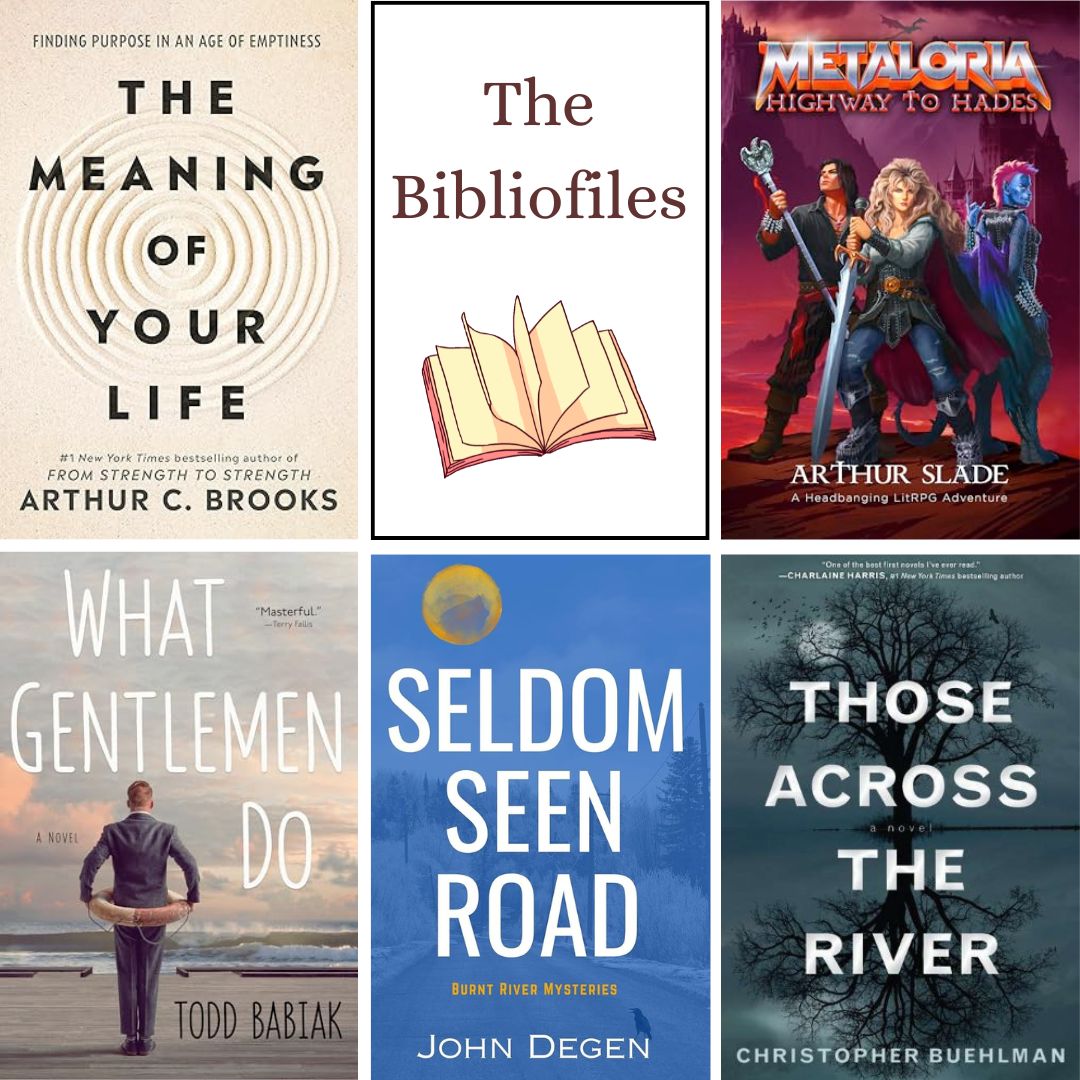
I think I hit all the genres for reading in July: literary fiction, non-fiction, mystery, horror, fantasy, LitRPG, weird lit — even some poetry!
Fiction
What Gentlemen Do by Todd Babiak
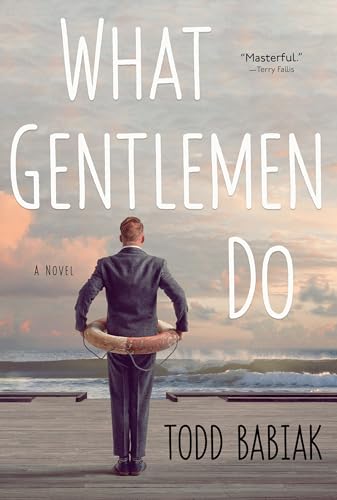
I love What Gentlemen Do because it brings together two of my favourite things: Todd Babiak and Stoicism.
Babiak’s novels are typically quiet, personal tales that extend out into the broader community, and What Gentlemen Do is no exception. It follows the young Waylan Gans after he has become the poster boy for right wing extremists due to his spontaneous involvement in a university protest related to a podcaster. Waylan now works at a bookstore in the small town of Walleye and tries to live down his unintended infamy while working through the emotional aftermath of his romantic coming out to a long-time friend, Derby, who rejected him. At the same time, his parents split up as his father has made a bad bet on cryptocurrency and they are about to lose the family home.
What Gentlemen Do is very much of the moment, as Waylon drifts first toward grievance culture of the sort favoured by young men, then toward Stoicism as a healthier antidote.
Like real life, though, What Gentlemen Do is more nuanced and complicated than a simple clash of values between toxic masculinity and Stoicism. Walleye is representative of dying small towns across North America, where those who can get out do and those who cannot face no future whatsoever. In that sense, the novel is as much an exploration of class culture and perhaps even capitalism as anything else. As Waylan reflects at one point, “No matter what I did I could never be one of them.”
In a bizarre twist, Waylon becomes the pet project of a wannabe political influencer thanks to his online fame and she sets him on a path to running for mayor of Walleye. This is where perhaps the true heart of the book lies, as Waylon genuinely tries to change the town for the better so people will stop leaving — Derby, his Stoicism professor, anyone else who can — and make a future for Walleye. In doing so, he may just create a future for people like himself as well.
This may be the real solution to the problem facing young men — not finding solace in online communities of other alienated individuals like themselves, but making change in their own community that helps build a stronger community.
Babiak, who works as a consultant for cities around the world, suggests as much in a Substack entry titled “One Thousand Small Things.” He spent years immersed in the feeds of online influencers and determined the audience was less interested in their messages and more in meaning and togetherness. Mass movements can’t save young men, Babiak argues, but perhaps a decentralized model of small ideas, projects and policies can.
“Young people can find meaning and togetherness on the streets when the local team wins a game, but they need something more enduring: an invitation to get out there and improve something, save something, create something with friends and like-minded strangers that can only happen in their communities.”
This is exactly what takes place in What Gentlemen Do as Waylan struggles against online extremism, political duplicity and even the shortcomings of Stoicism to maintain newfound values of hope and change in his community, where everyone can belong.
What Gentlemen Do is a quirky, funny, sad and timely novel – and it’s one of Babiak’s most important works yet.
Seldom Seen Road by John Degen
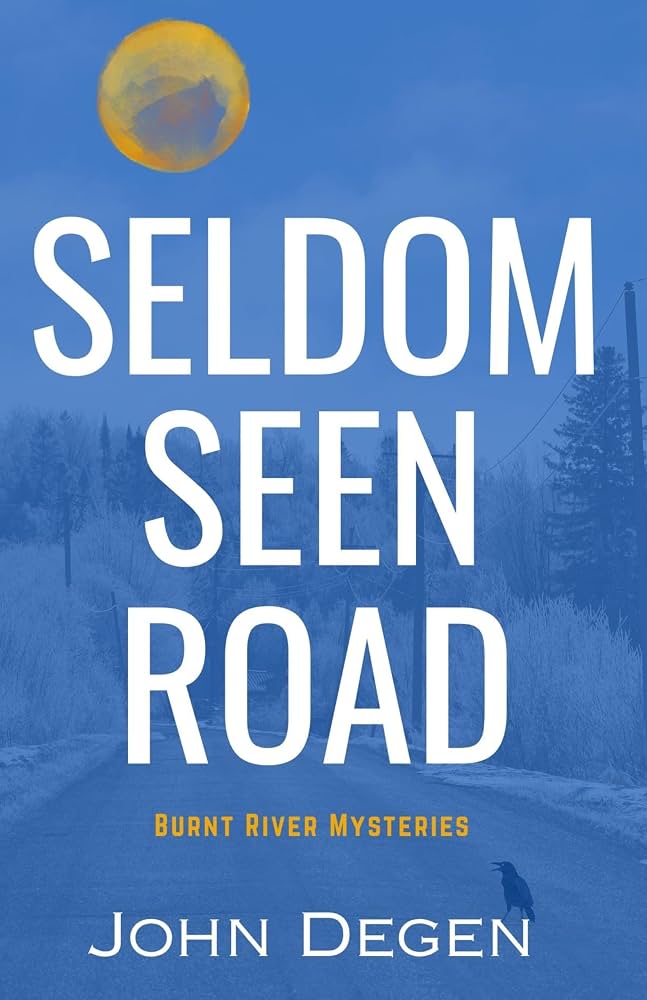
Seldom Seen Road by John Degen is a slow burn of a mystery novel that constantly defies expectations to become something unique in the genre.
It begins with the murder of a local environmentalist, who is fished out of a river with most of his face consumed by lamprey eels. At first glance, it seems comparable to Giles Blunt’s psychologically dark Cardinal mysteries.
But the cast of characters here are unlike other contemporary mystery series. Sure, there’s the northern cop Jeremy Roth, but much of the tale centres on his cousin Mark Roth, a widowed former musician who is hard of hearing and not at all inclined toward police work. The two are joined by Mark’s daughter Stephanie, a criminologist at Lakehead University who is dealing with the aftermath of not only her mother’s death but also of the end of her relationship.
Together the three of them put together the different pieces of the puzzle and tie the murder to the local drug trade, which is in a state of flux thanks to the legalization of marijuana.
But that is only part of the book. The real heart of Seldom Seen Road lies in its exploration of small town life — the characters found in the diners and gas stations, the constant threat from wildlife as development pushes up against and through nature, the solitude and loneliness, the hard life of resource extraction, the criminal and political tides of distant Toronto washing through the town every now and then, and more.
Seldom Seem Road is a murder mystery, yes, but it’s also a portrait of a community in a time that is leaving it behind. But even such a small town can have a powerful impact on the rest of the world, as becomes clear to everyone when the mystery leads to the town’s uranium refinery.
Seldom Seen Road is the first in Degen’s Burnt River series set on the north shore of Lake Huron. I hope there’s many more to come.
Metaloria by Arthur Slade
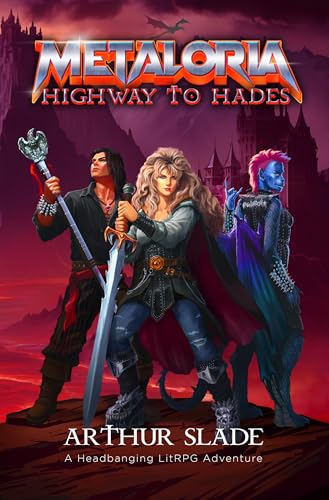
Metaloria is the latest fun tale from Canadian author Arthur Slade, who has made a name for himself in the field of fun fantasy novels. In Metaloria he puts a heavy twist on things in the form of heavy metal, as the novel follows a group of characters yanked from an Anvil concert and thrown into a most metal fantasy world ruled over by a deadly wizard.
Metaloria has an 80s D&D meets metal vibe, as the characters find themselves in a dungeon where every room has traps and creatures waiting to kill them. Their only hope is to level up and become powerful enough to take on the wizard – and level up they do as this is a LitRPG tale.
This is the book for you if you like your fantasy relentlessly comic and resonating with musical references both popular — “all we have to do is take a skiff up the Bretbachneil River to Twistysista and follow the Highway to Hades past Sweet, Child, and O’Mine until we reach Everyrosehasitsthorn” — and niche — “The only rangers we have here,” Fiora said, “are night rangers, and they eat the hearts of unwary travelers at the command of their leader, Sister Christianne.”
As a bonus feature, Slade included many of the people he’s played D&D with over the years in Metaloria, including myself: “The Mullet King McCann rules them. In his presence, you will always feel your hair is inadequate. Even Darbyshire and Latimer, his Metal Ball minstrels, have hair that would make rock gods weep with jealousy.”
What a motley crew!
Those Across the River by Christopher Buehlman
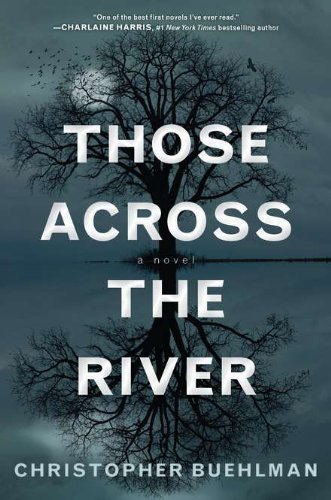
Those who follow me here know I’m a big fan of Christopher Buehlmann — The Blacktongue Thief, The Daughters’ War and Between Two Fires are some of my favourite books ever. So I thought I’d check out some of his earlier work, which is lesser known.
Those Across the River is a more horror than the fantasy Buehlmann typically writes these days, but it’s as different from everything else in its genre as his fantasy books are.
A tale of a small town in the south plagued by a supernatural and existential threat, Those Across the River is like reading Faulkner combined with Jim Thompson. It’s a got a lyrical voice with the kind of eye for detail that Buehlmann excels at, set in a southern gothic landscape haunted by the ghosts of slavery.
The book is told from the point of view of Frank Nichols, a former war vet and history professor who arrives in the town with his lover Dora, a schoolteacher he’s poached off a colleague. Dora teaches at the local school while Frank tries to write a book about his slave-owning ancestor in the town, who used to have a plantation that is now lost to the wilderness.
The town is one of those small villages that is doomed to die out eventually, but in the meantime the residents manage a hardscrabble existence that is made even harder by their ritual of releasing pigs into the forest across the river each month — which also happens to be where the lost plantation is located.
When the villagers decide to stop the ritual, horrifying things begin to happen. But this isn’t just some monster tale. The horror that descends on the town is straight out of the Jim Crow era and there is no escape — not even for Frank or Dora.
There’s a LOT going on this book — racial conflict, the urban vs. rural divide, post-war trauma, supernatural horror, an unreliable narrator and more. But it’s the characters that are always at the heart of the tale. Every single character is brought to life in unique and compelling ways in Those Across the River, including those who have only brief cameos. And the horror of the book relies upon their strong characterization. There are two scenes in the book — one involving a creepy boy and one with Dora — that are some of the most memorable horror moments I’ve ever read.
So if you’re a Buehlmann fan like I am, check out Those Across the River for another masterpiece.
Unprecedented Weather Patterns by Julia Leef
It’s raining blood, ping-pong balls, frogs, armadillos, asbestos and more in this beautiful tale of well, if not the end times, different times.
Link: https://redivider.emerson.edu/unprecedented-weather-patterns/
Non-fiction
The Meaning of Your Life by Arthur Brooks
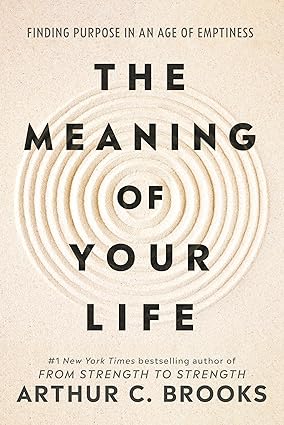
Does your life feel like it is missing something, no matter how much you do? If so, you’re not alone. And Arthur Brooks may have an answer for you in his book The Meaning of Your Life.
Brooks argues that what too many of us are missing is meaning. Our lives may be busy, full of information and overscheduled with experiences, but they are not necessarily meaningful. In fact it’s quite the opposite, as we are distracting ourselves to the point of despair.
Like others writing in this field, Brooks points to the “doom loops” of social media and new technologies such as smartphones. Brooks adds a new angle with his argument that our constant busyness and addiction to tech keeps us locked in the analytical, left-brain mode while the right-brain sphere of mystery, love and yes, meaning atrophies. Brooks argues we need to embrace the right side of the brain again to unlock our full selves.
How to do that, though? The first step is to break the patterns of modern life — “to interrupt the doom loop” and regain your full attention to life. For Brooks, this means a digital detox a la Cal Newport.
“It also means detoxing from the addictive properties of the tech we have adopted to anesthetize ourselves in a world that once felt boring – but that most definitely is not. Finally, it means refusing to give in to the antiboredom devices – and, indeed, getting bored in a productive, healthy way, perhaps for the first time in a long time. These steps will unshackle your brain, heart, and soul to seek the mysteries of true meaning.”
Brooks urges people to “ditch all the empty cultural calories” that fill their lives and focus only on what is nourishing.
“Devote your attention only to what is edifying and uplifting.”
Excellent advice so far, but what exactly does nourish our selves in the modern age?
For Brooks, leisure is incredibly important. He does not mean simply relaxing and doing nothing, though. Instead, Brooks means leisure as the sort of activity that you do for yourself rather than for a paycheque and you need to be as disciplined about it as you are about work. Leisure is more than “not work” – it is a different skill.
“Properly understood, leisure is the work you choose to do for yourself without the economic whip driving you.”
Brooks cites the influence of philosopher Josef Pieper on his thoughts about leisure, noting that when life becomes an endless cycle of working and recovering only to work again then culture dies. Leisure is less recuperation then and more development of your whole identity. Another parallel may be Simone Stolzoff’s The Good Enough Job, which also stresses the importance of having purpose outside of work. (And all of this seems an important counter to the fanatics calling for 996 working culture – 9-9, 6 days a week.)
Brooks also stresses the importance of more abstract and emotional/philosophical pursuits, such as immersing yourself in nature similar to the Japanese idea of Shinrin-yoku (forest bathing), falling in love and seeking the divine. Brooks stresses that all of these take actual work to transform the abstract into the concrete in your life.
“Religious practice is the set of actions and rituals you adhere to as your observance of faith with others. Practice takes your faith beyond abstract belief and makes it part of your daily life: you can believe in the ideas of Zen or the divine inspiration of the Bible, but until you practice Zen meditation or attendance at a house of worship, belief without participation doesn’t mean much.”
Brooks incorporate a bit of Stoicism as well, particularly around the idea of suffering and our constant attempts to escape even the possibility of it.
“Suffering will certainly find you. Don’t try to avoid it, and when it comes, don’t try to eliminate it. Instead, learn to manage it so that it leads to learning and growth.”
So if you are missing something in your life, I recommend you check out The Meaning of Your Life as the first step in your meaning journey.
Related:
- Digital Minimalism by Cal Newport
- The Obstacle Is the Way by Ryan Holiday
- Stillness Is the Key by Ryan Holiday
- Four Thousand Weeks by Oliver Burkeman
- The Good Enough Job by Simone Stolzoff
Poetry
My House Is Not On Fire by George Murray
Another poem of lingering beauty from Canadian poet George Murray.
The sorry state of everything: The June 2026 Bibliofiles
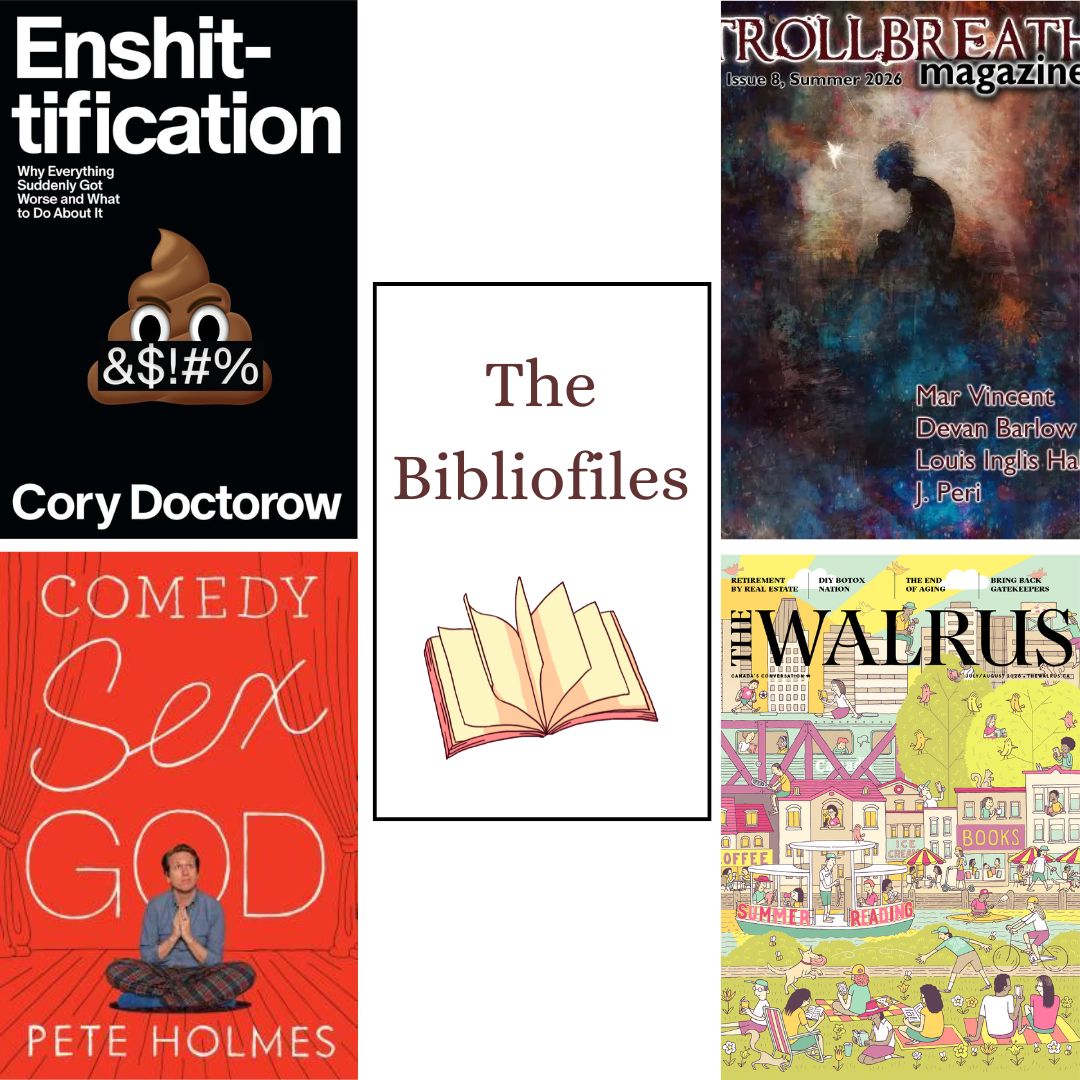
Lately I’ve been reading about the sorry state of:
- tech
- books coverage
- the World Cup
- weird lit
- publishing tax credits
- and dead gods
That’s what passes for summer reading with me!
Fiction
Godfall by Bruno Lombardi
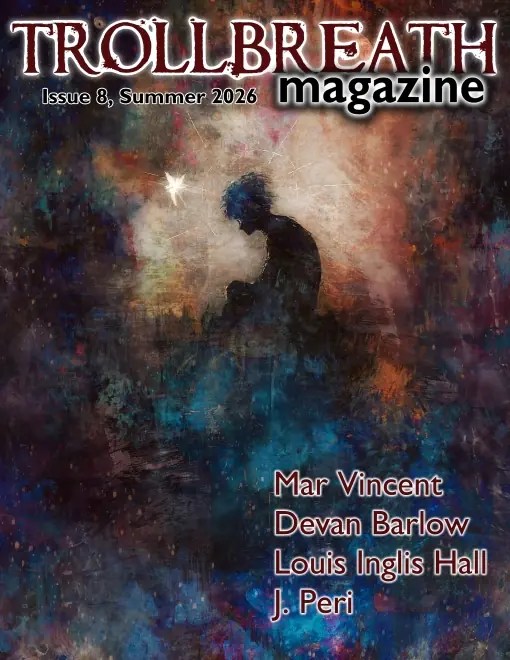
Imagine a whalefall, only with the body of a god.
When a god falls screaming from the sky and comes to rest in the depths of the sea, creatures of all sorts come to scavenge its body — including the people that live nearby. But giving up the fishing life to scavenge the remains of a god comes at a price.
Link: https://magazine.trollbreath.com/godfall/
Non-fiction
Enshittification by Cory Doctorow

We’ve all had a feeling that the Internet and other new technologies have been getting worse for some time, perhaps even since the moment they were launched. Cory Doctrow has given this a name — enshittification — and says it is intentional.
Doctorow lists case after case of tech companies that offered a useful product, then slowly made it worse for users to extract the maximum value possible, until the product itself has been transformed into something terrible and often bad for its once enthusiastic fan base. Apple, Facebook, Netflix, X (formerly known as Twitter) — they’re all indicted here and rightfully so. Doctorow isn’t wrong in his claims.
This isn’t just a catalog of companies gone bad, however. Doctorow suggests much more is at stake if we don’t take action to push back against such enshittification. Once again, he’s correct. If the companies know we’ll roll over and take whatever abuse they have to offer, then why would they change their ways?
Doctorow pushes for a number of actions, all of which prioritize consumer rights. But really, the best action may be to rethink our relationships with tech altogether, such as many are trying to do with AI at the moment. It’s useful here to consider the proposals of another thinker on the subject, Cal Newport, who in his book Digital Minimalism argues we have become subservient to new technologies and we need to reverse that relationship. To do so, we must consciously determine what we need from such products and use them only in ways that serve us rather than the other way around.
Both Doctorow and Newport may be unrealistically hopeful in their views that we can prevent or at least navigate the enshittification of well, everything, but where will we end up if we don’t at least try?
Comedy Sex God by Pete Holmes

Pete Holmes takes you through the history of his life in Comedy Sex God, and the title pretty much reflects it all. Holmes grapples with faith in God when his marriage falls apart, then finds a path toward a new sort of spiritualism and love as his comedy career takes off. It’s a thoughtful — and yes, comic — account of his struggle to make meaning of his life. While it may mainly be for fans of his comedy, it’s also an intriguing read for anyone who is looking for ways to find God in the world itself outside of the traditional dogma of religions.
Related reads would include Nick Cave’s Faith, Hope and Carnage and Christian Wiman’s My Bright Abyss.
While others downsize literary coverage into oblivion, we’re launching a books section by Carmine Starnino
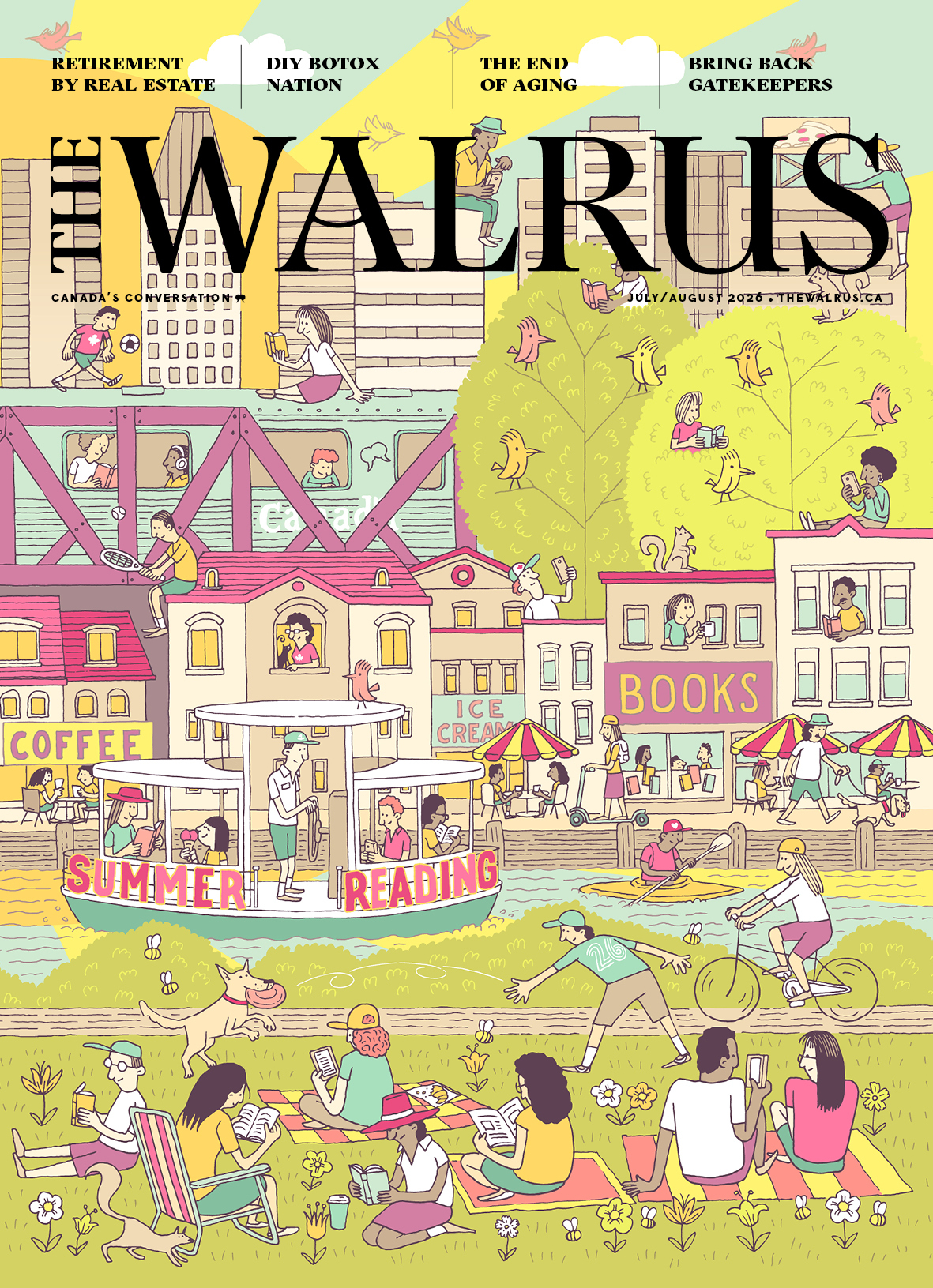
The Walrus is trying to resurrect the books section of opinion and literary feuding.
“I want the section to not just point to the latest interesting reads. I want it to be the spearpoint of a broader return to a kind of consensus-testing commentary that is harder and harder to find. I want more reassessments, more polemics, more manifestos, more feuding. I want the spectacle of people publicly wrestling with ideas they care about too much. I want everyone, at some point, to end up a bit offended.”
I’m not one for literary feuds but I do like a good manifesto! We’ll see how this turns out.
The World Cup is an economic sinkhole by Moshe Lander
I’ve somehow found myself to be a middle-aged soccer dad despite never being an athlete in my life, so I was initially excited about the World Cup coming to Vancouver.
Until I saw the ticket prices, of course. And realized how much it was costing the city and country.
Is the World Cup a good investment? Maclean’s certainly doesn’t think so.
Time will tell, I suppose.
Link: https://macleans.ca/economy/the-world-cup-is-an-economic-sinkhole/
Bored of the Swords: The Rebirth of Sword & Sorcery and the Death of the Weird by Cynthia Ward
Make sword & sorcery weird again.
“I began reading and writing S&S mid-century because, damn, was it weird! S&S prose and comics had barbarians and Amazons and nomads. Sorcerers and witches and priests. Mercenaries and pirates and thieves. Demons and gods and dinosaurs. Peasants and princesses and kings. Elves and dwarves and mer-folk. Bards and spear-women and serial killers. The disabled and the maimed and the accursed. And any of these characters could have a starring role, and many of the stars occupied more than one category (most famously, Elric of Melniboné, the disabled nonhuman prince granted strength by a demonic sword, and Conan of Cimmeria, barbarian, thief, mercenary, pirate, king, and more).”
Link: https://reactormag.com/the-rebirth-of-sword-and-sorcery-and-the-death-of-the-weird/
The case for a federal publishing tax credit by Marc Cote
Does Canada need a federal tax credit program to support Canadian book publishers? If Canadians want to read Canadian stories, then something needs to be done.
Link: https://quillandquire.com/omni/opinion-the-case-for-a-federal-publishing-tax-credit/
We used to live in Heaven: The April 2026 Bibliofiles
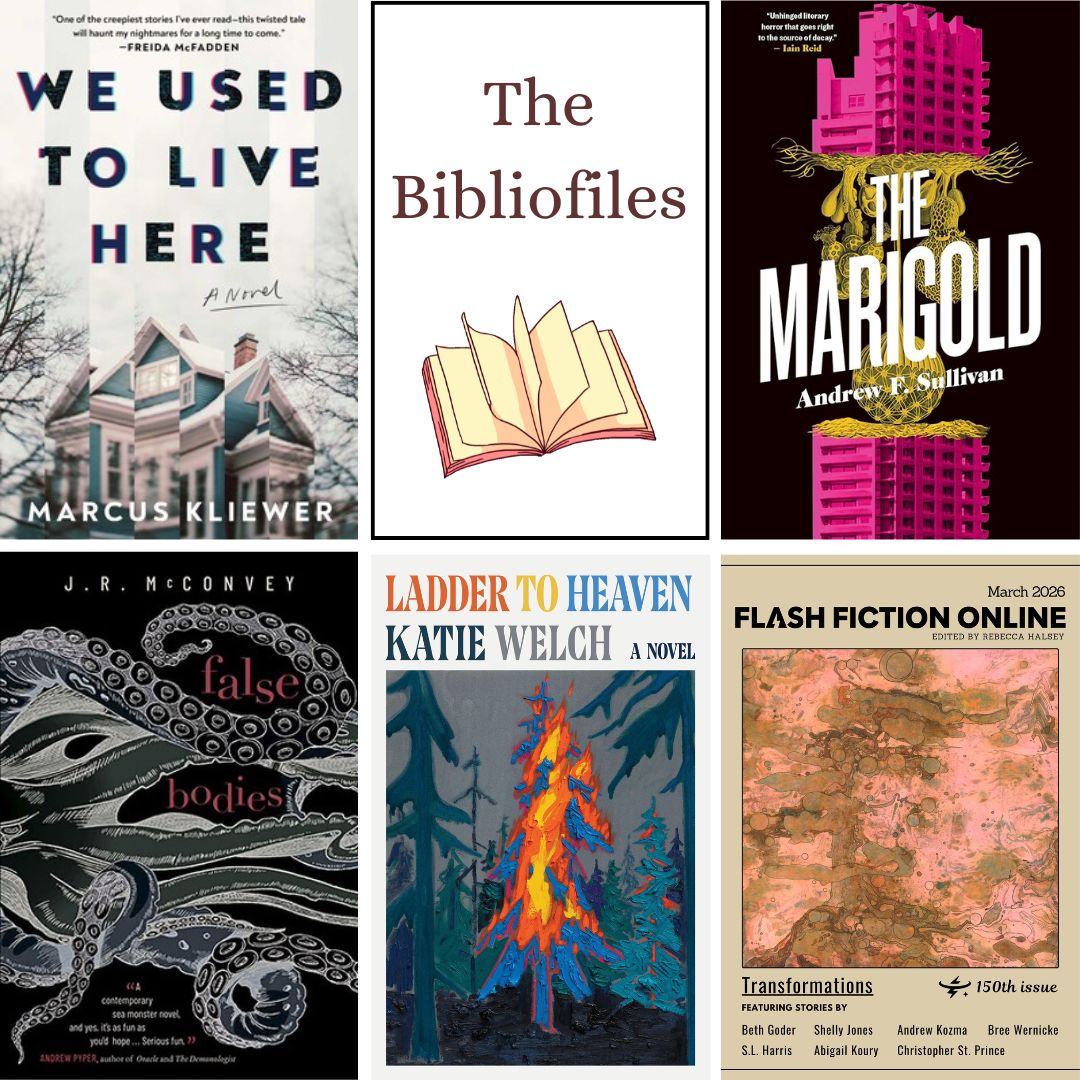
I found myself on a bit of a literary horror and current politics reading binge this month. Perhaps the two are connected?
Fiction
We Used to Live Here by Marcus Kliewer
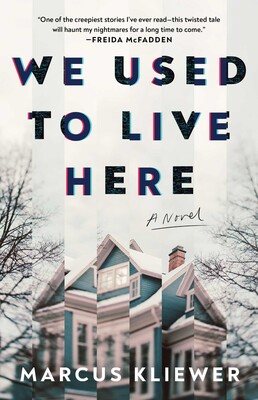
I love the story behind the horror novel We Used to Live Here by Marcus Kliewer. The book was originally published on the No Sleep subreddit, where it generated praise and attention. Netflix acquired the rights to it, and then the original tale was later adapted into the novel. Every writer’s dream!
I love the story in We Used to Live Here as well. It’s a creepy, slow-burning chronicle of a woman’s descent into madness. The story is mostly told from the POV of Eve Palmer, who is renovating an old house she has just acquired with her partner, Charlie. A family shows up on the doorstep one day claiming the father used to live there and asking for a tour.
Note: If anyone ever shows up at your home asking for a tour, say no!
The family are a little weird and get weirder as time goes on. And time does go on as things keep happening to stop the family from leaving. One of the kids plays hide and seek in the home, a storm snows them in, Eve hits her head and needs care, and so on.
The longer the strangers are there, the more disturbing the house gets. Physical features of it change. Eve and Charlie’s dog gets agitated by things they can’t see. Ants march to a secret space in the basement. It’s all the more suspenseful because the house is still new to Eve and she doesn’t know it nearly as well as the family — or as much as they seem to anyway.
The book is intercut with documents which explore various supernatural theories — police reports and Internet posts and so on. All of it contributes to the growing sense of the supernatural around the house itself.
But it’s not just a haunted house story. Eve’s sense of reality begins to break down and the reader finds themselves in an uncertain situation. Is the house actually haunted? Are the strangers supernatural in some way? Or is Eve crazy and getting crazier?
If horror is your thing, then you’ll want to check out We Used to Live Here. Just don’t read it at night if you’re planning on getting any sleep.
Link: https://www.simonandschuster.ca/books/We-Used-to-Live-Here/Marcus-Kliewer/9781982198794
The Marigold by Andrew Sullivan
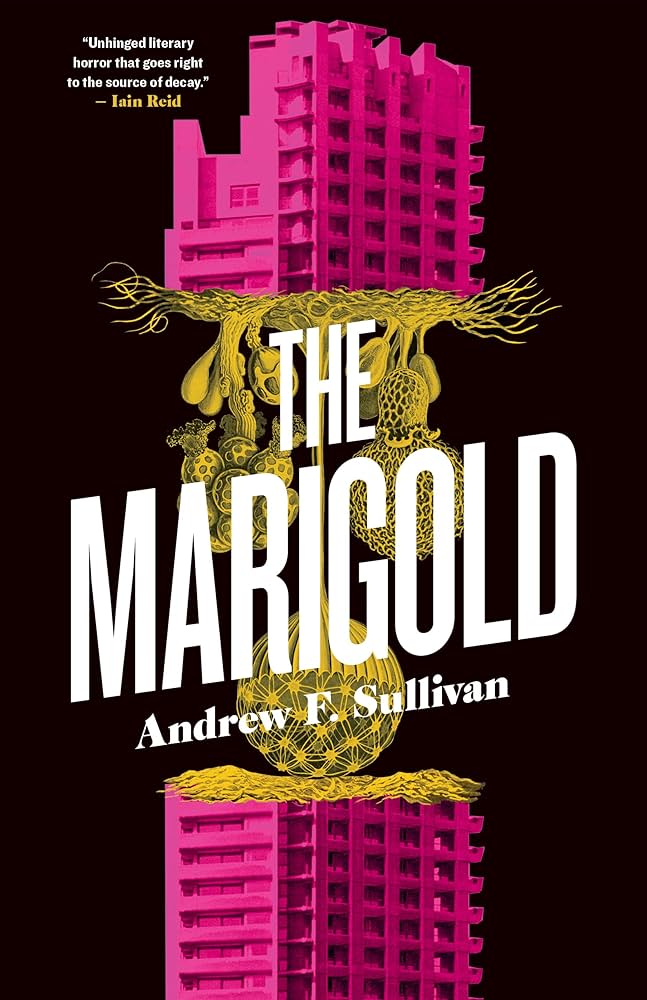
The Marigold is weird literary horror for a generation or maybe generations at this point raised in the nightmare of unaffordable housing markets and gig economies.
In The Marigold Toronto has been built on the blood of innocents — as in the developers use actual human sacrifices to ensure the smooth construction of their projects. The Marigold goes on to implicate the entire western system of capitalism as exploitive and coming with a high cost: “Everything you own comes from bodies and blood, one way or another. Your phone. Your clothes. The good things you have are primarily drawn from the misfortune of others. Blood, sweat, and tears. All of it literal.”
There is a strange counter to this in the form of the Wet, a sentient mold that is spreading throughout the city and absorbing both the dead and the living Borg-style. It doesn’t exactly offer hope of turning things around, but it does undermine the existing system of abuse by the powerful and corrupt and offer instead possibility for change, as mysterious and uncertain as that change may be.
Link: https://ecwpress.com/products/the-marigold
The Sacrificials by Andrew Kozma
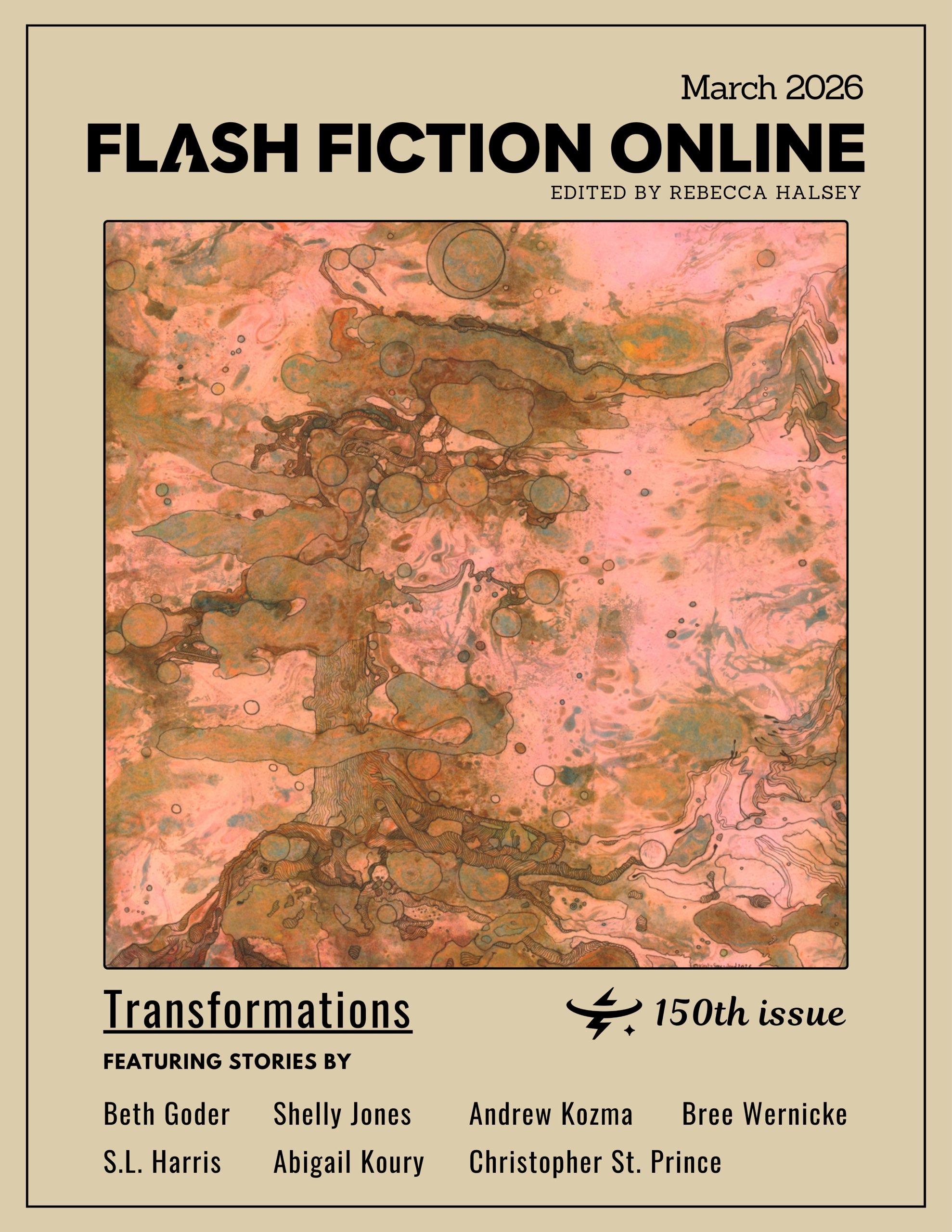
An eerie little tale about what happens when strange beings visit a city and everyone decides to celebrate.
Link: https://flashfictiononline.com/issues/march-2026/#the-sacrificials
Ladder to Heaven by Katie Welch
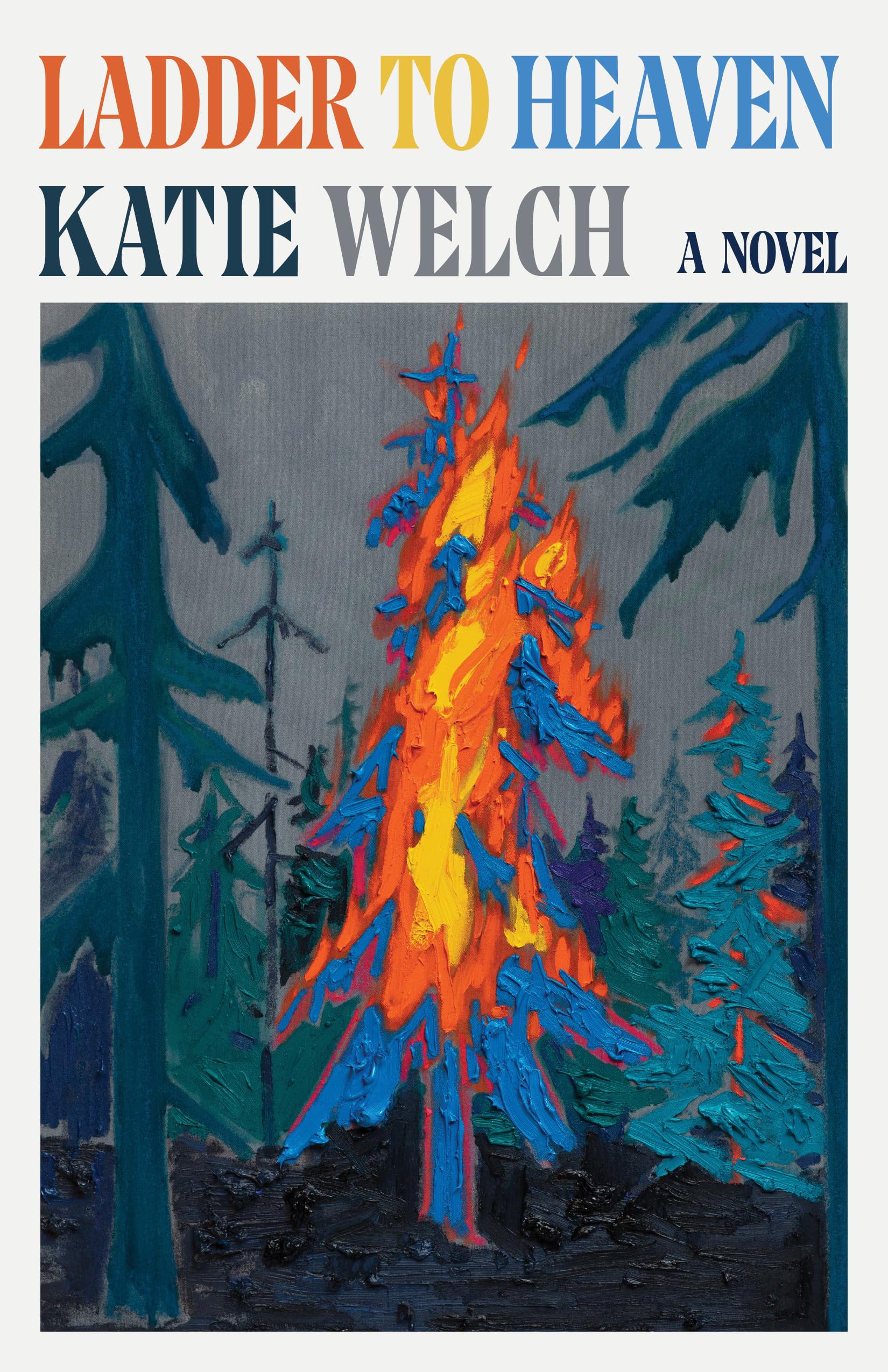
Katie Welch taps into some of the apocalyptic anxieties that permeate the West Coast with her novel Ladder to Heaven. The book is set slightly in the future, after an earthquake has shattered society. It’s also changed the world in very strange ways. People can suddenly talk to animals and the protagonist, Del, spends much of her time in a post-apocalyptic world telling a pair of sea lions the story of her life. The sea lions are puzzled but also intrigued by her tale of addiction, isolation and rebirth. It’s a complicated book that doesn’t have easy answers to the questions it raises but suggests there is always goodness to humanity no matter how bad things get.
Link: https://bookstore.wolsakandwynn.ca/products/ladder-to-heaven
False Bodies by JR McConvey
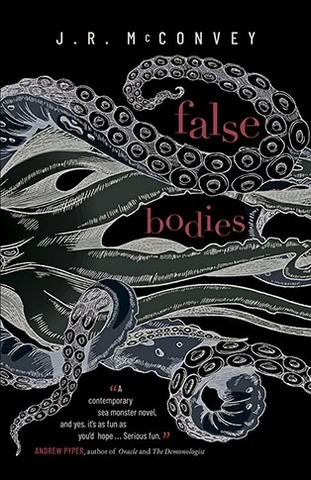
Looking for some seriously strange squid lit? Try JR McConvey’s False Bodies.
When an entire crew of oil rig workers off the east coast are found dead with sucker marks on their bodies, an oddball detective nicknamed Yeti decides to investigate.
He soon finds the mystery is even more eerie than it seems. The dead bodies get a little tentacley after death, he’s plagued by weird visions and even weirder visitations, and there’s a crazy cult lurking behind the scenes of St. John’s, Newfoundland.
It turns out the oil company is run by a former tech bro of the deranged prophet genus and the rig was drilling for more than oil. When will we learn that just because we can doesn’t mean we should?
Worth the read just for the scene involving a squid and a Terry Fox statue!
Link: https://breakwaterbooks.com/products/false-bodies?_pos=1&_sid=00804c9ca&_ss=r
Non-fiction
Canada Is Already at War with the US – We Just Don’t Know It Yet by Patrick Lennox
“In the eyes of the Trump administration, Canada is just another big blue state—another Minneapolis. This is because we are a liberal, democratic, multicultural mosaic, because we believe in minority rights and public health care and the right of a woman to choose. We believe in a free press and a fair vote. We believe in the rule of law and the principle of police independence. We believe in science and objective reality. And because of this—and because of our small population and enviable natural resources—we’ve become its target.”
Link: https://thewalrus.ca/canada-is-already-at-war-with-the-us-we-just-dont-know-it-yet/
How Alberta’s Separatist Movement Could Shake North America by Christopher Hernandez-Roy and Randy Boissonnault
What is behind Alberta separatism and what could it mean for Canada and North America?
Link: https://thewalrus.ca/how-albertas-separatist-movement-could-shake-north-america/
Canadians Love a Conspiracy Theory by Lucan Way
Is Canada’s democracy in danger?
Link: https://macleans.ca/politics/canadians-love-a-conspiracy-theory/
Before Paris, there was Toronto— where Ernest Hemingway learned to write by Joseph Frey
Take a tour of Hemingway’s Toronto residences and learn how the city shaped him as a writer.
I was lonely and let an app pick my friends. Here’s how it went by Amarah Hasham-Steele
A new wave of apps is looking to help you find friends — for a price.
Link: https://thewalrus.ca/i-was-lonely-and-let-an-app-pick-my-new-friends-heres-how-it-went/
Careless Necromancers: The March 2026 Bibliofiles
I managed to get a bit more reading done this month, thanks to some time off during spring break. It still wasn’t enough to drown out the insanity of the current state of the world, though. Ah well, there’s always next month.
Fiction
Stan On Guard by KR Wilson
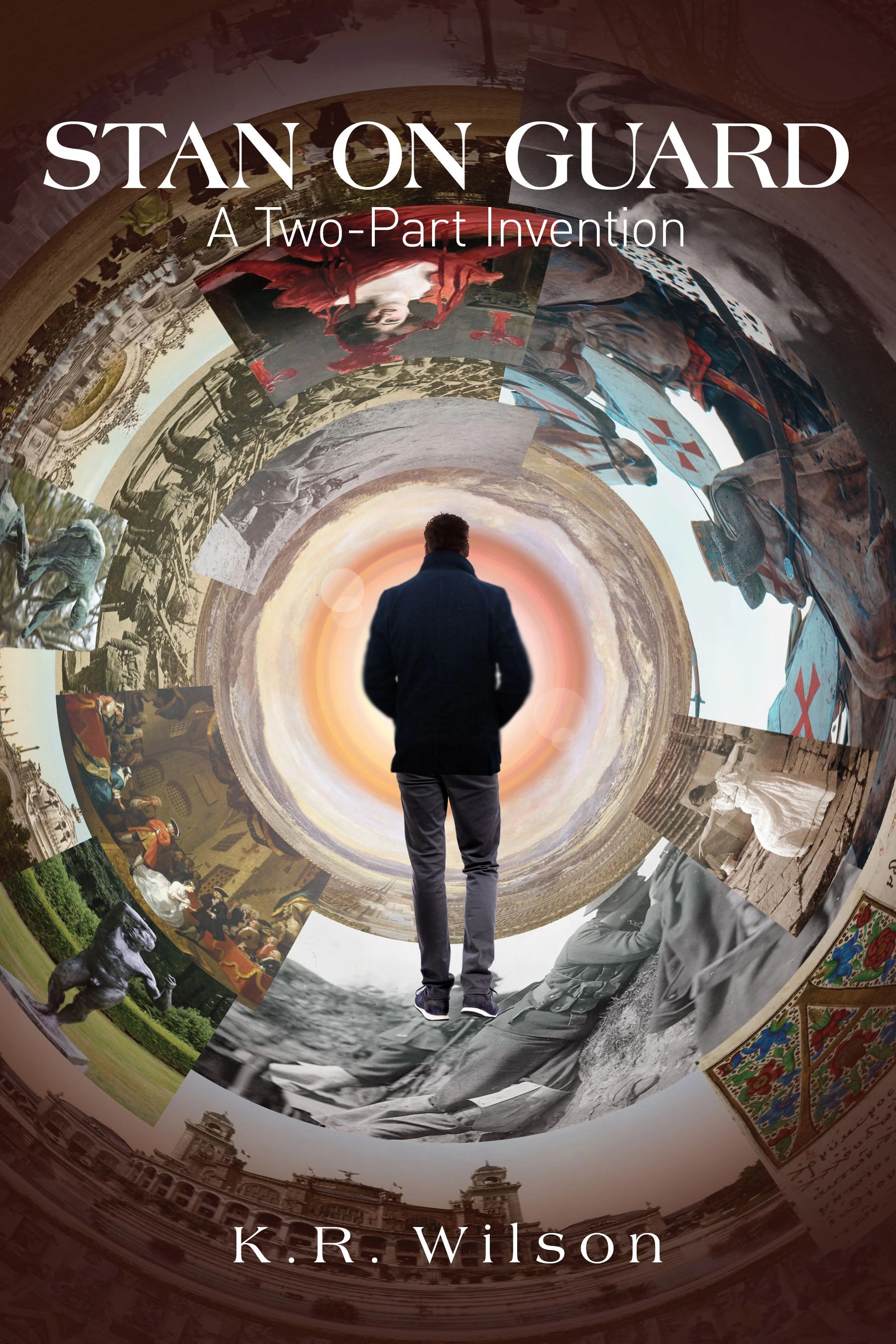
A pair of immortals live through the world’s ages, getting caught up in both history and myth, hanging out with infamous characters such as Odysseus and Nietzsche, while locked in a deadly dance.
No, I’m not talking about my Cross series of books. This is the premise of Stan on Guard by KR Wilson, the followup to Wilson’s book Call Me Stan. It’s a wild ride through history, the arts, philosophy, mythology, psychology and a whole lot of other things. If you like the Cross books, you should check out Stan on Guard.
Link: https://guernicaeditions.com/products/stan-on-guard
The Necromancer’s One Weakness by R. Lochlann
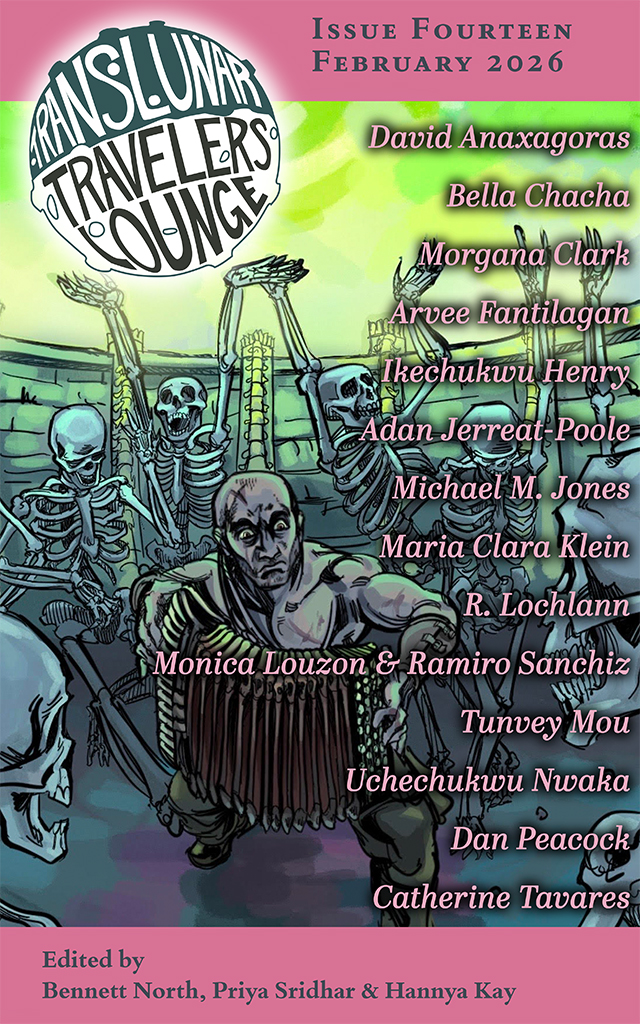
I have to admit that I wasn’t expecting a story with “necromancer” in the title to feature a barbarian bard who beats people to death with an accordion. Or that the necromancer’s sole weakness was xylophones. Or the idea of agents to adventurers. But these things all come together in harmony in this delightful little tale.
Link: https://translunartravelerslounge.com/2026/02/15/the-necromancers-one-weakness-by-r-lochlann/
Atomic Chess by Josh Pearce
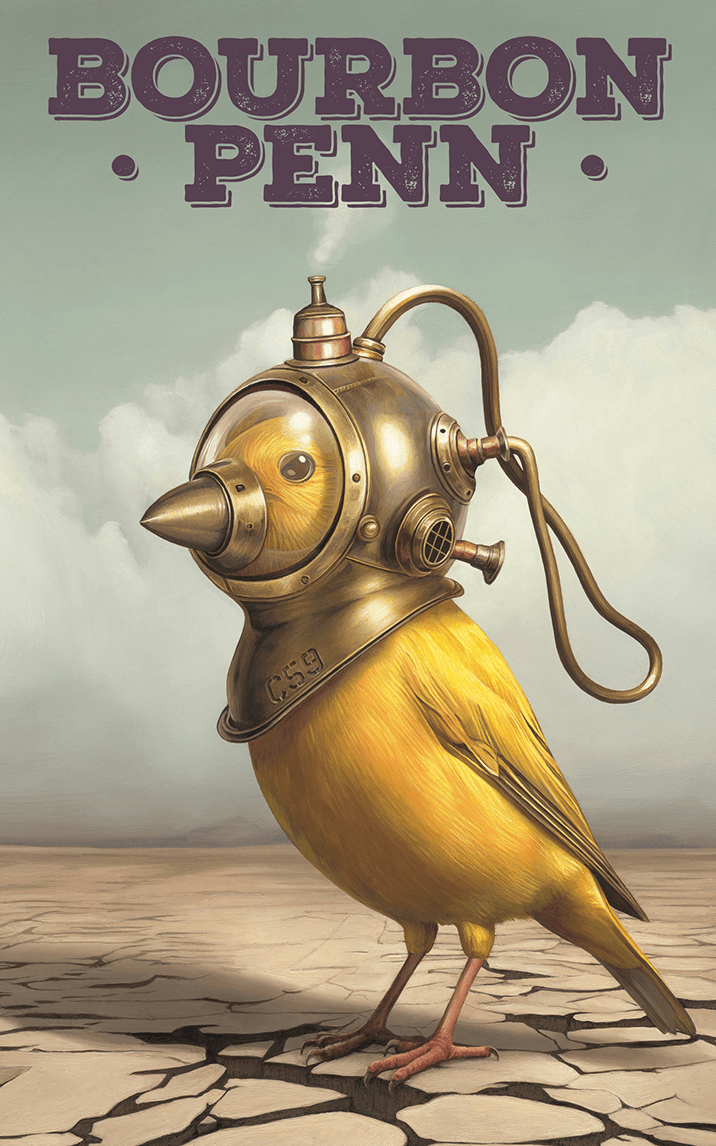
“Project upon the cosmos whatever system of understanding you wish.”
An eerie tale of a physicist conducting experiments in a submerged Russian submarine, combined with a encrypted chess game in a cafe between the only survivor of the lost submarine and a member of a mysterious intelligence organization.
Atomic Chess is as existentially weird as a Lovecraft tale and as delirious as Max Barry’s Lexicon, with more than a dash of Cold War spy thriller thrown in. One of the most intriguing stories I’ve read yet this year.
Link: https://www.bourbonpenn.com/issue/38/atomic-chess-by-josh-pearce
Non-fiction
Careless People by Sarah Wynn-Williams
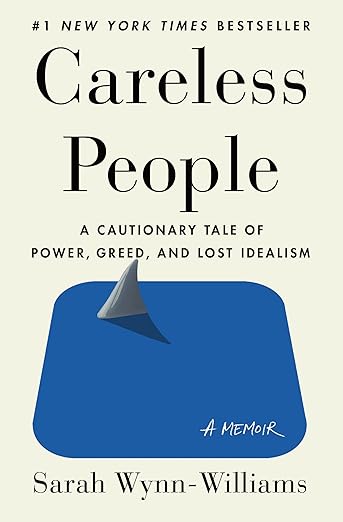
If you use any Meta service — Facebook, Instagram, Threads, etc. — you should probably read Careless People by Sarah Wynn-Williams. An insider account of her time working alongside the leaders of Facebook, including Mark Zuckerberg and Sheryl Sandberg, Careless People follows Wynn-Williams as she forces her way into a role at Facebook because of her belief that it can change the world, only to to spiral into despair at how it changes the world.
The Meta that Wynn-Williams describes is a world of greed and obsessions with power, where those calling the shots don’t care about the negative outcomes of their decisions as long as it increases their reach and thus bottom line. Wynn-Williams reveals moment after moment where Meta leadership appears to have lied outright to the public and to governments, where they make choices they know will cost lives, where there is no greater good.
And then there are the personal anecdotes of harassment by managers aided by complicit human resources, to say nothing of just plain weirdness such as when Sandberg makes staff sleep with her on flights.
Perhaps the most telling bit in the whole book is the reaction of Meta’s leadership to discovering the role Facebook had in getting Trump elected. Rather than being appalled, Zuckerberg seemed intrigued by the technical aspects and even delighted by Facebook’s potential. Sandberg comes off even worse, wondering if Facebook can hire Trump’s social media guru.
Careless people indeed.
Link: https://read.macmillan.com/fib/careless-people/
The big fix for Canadian publishing by Kenneth Whyte
Does Canada need a Book Law to protect Canadian culture?
Link: https://shush.substack.com/p/the-big-fix-for-canadian-publishing
History’s biggest book heist by Kenneth Whyte
A short history of book piracy in the name of technological progress. The AI companies scanning pirated books to train their LLMs are just the latest in a long series of those who believe authors and publishers shouldn’t be compensated for use of their works.
Link: https://shush.substack.com/p/historys-biggest-book-heist
The Day NY Publishing Lost Its Soul by Ted Gioia
“Literary culture can’t survive in a world of risk avoidance, stale formulas, and clownish covers.”
The death of the midlist writer and what’s next.
Link: https://www.honest-broker.com/p/the-day-ny-publishing-lost-its-soul
The Coming Clash of Civilizations by Mike Brock
Do the technocrats want a return to feudalism? Hell, we’re already halfway there.
Link: https://www.notesfromthecircus.com/p/the-coming-clash-of-civilizations
Crypt of the what?: The February 2026 Bibliofiles
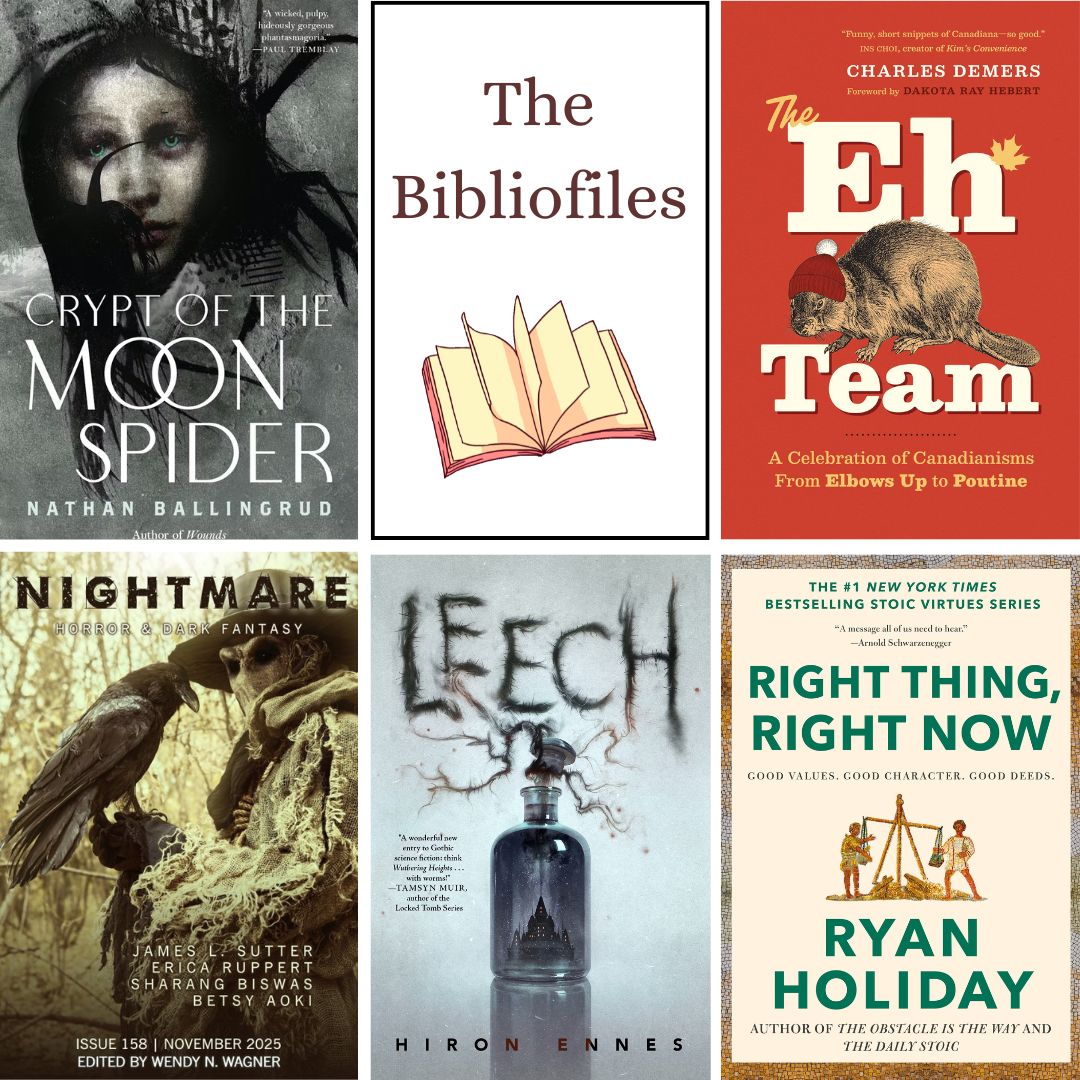
February was mostly a weird lit month for me, with a little Canadiana and stoicism thrown in. That probably has something to do with the state of the world.
Fiction
Crypt of the Moon Spider by Nathan Ballingrud
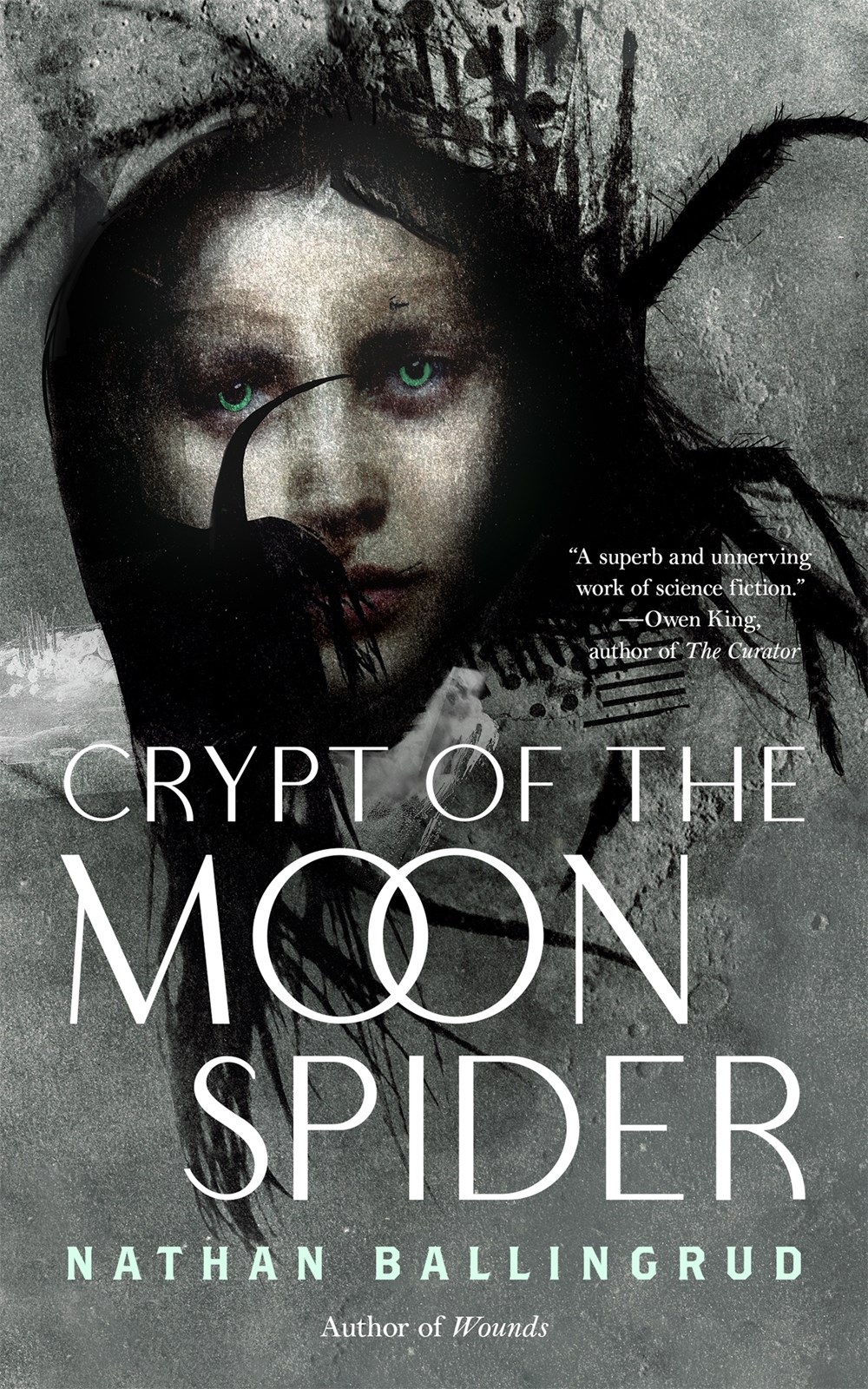
Crypt of the Moon Spider by Nathan Ballingrud is one of the weirdest books I’ve ever read, and I’ve read a lot of weird books.
A young woman visits a sanitarium of sorts on the moon, where she has spider silk put in her brain to treat her melancholy. Spider silk is special here, because the sanitarium sits atop a cave that is home to a dead giant moon spider still worshipped by a strange sect. Then things get strange.
Link: https://torpublishinggroup.com/crypt-of-the-moon-spider/
Leech by Hiron Ennes
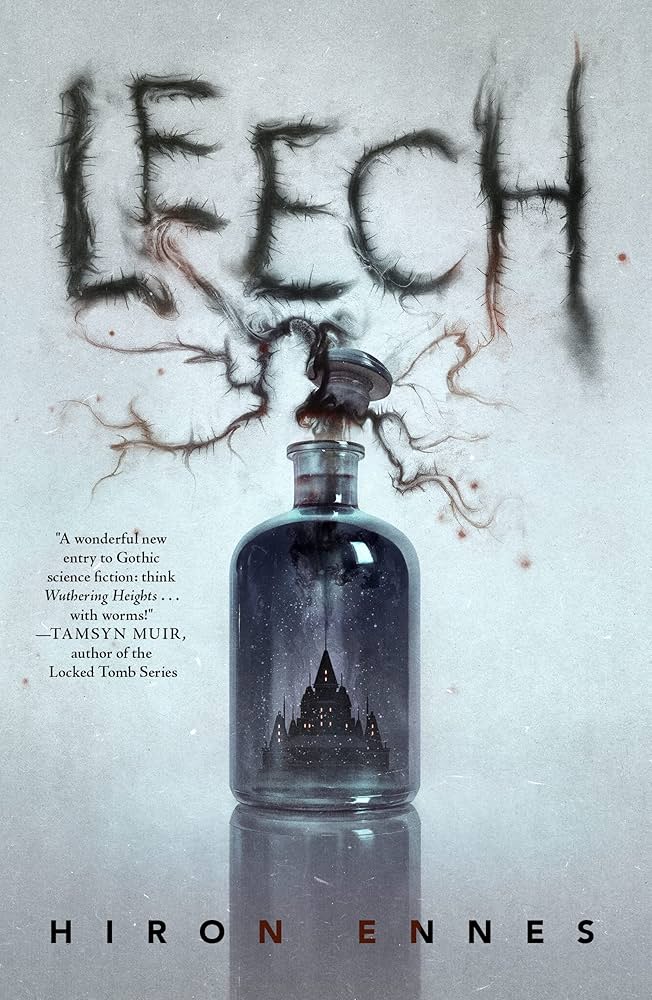
Leech by Hiron Ennes is an intriguingly weird gothic horror novel like none I have ever read before.
A doctor from the mysterious Institute arrives at a baron’s remote manor to investigate the death of the previous doctor. The manor is home to all sorts of eerie and strange characters — the grotesque ever dying baron, his wife whose children keep dying under mysterious circumstances, creepy twin girls, a mute servant and more.
It’s also home to a very mysterious organism which seems to have colonized the dead doctor and caused him to commit suicide. The reasons why soon become clear.
If that isn’t enough weirdness for you, the doctor from the Institute is a sort of parasite herself, part of a collective hive mind that takes over people to become the Institute. And neither parasite can let the other persist.
There’s all sorts of intersecting philosophies and social critiques here — bodily autonomy, individualism vs. social conformity, the degradations of aristocracy and more.
Think The Thing meets Dracula meets The Name of the Rose, and you’ll have an idea of the flavour of Leech.
Link: https://torpublishinggroup.com/leech
The (Mis)Fortunes of Saint Ilia’s School for Gifted Girls, In No Particular Order by Catherine Tavares
A very clever “choose your own adventure” type of murder mystery set in a school of superpowered girls and women. I had to go through all the options because they were so much fun.
Bleed for Me, Bro by Sharang Biswas
Spec meets kink in this hardcore, fantastic version of S&M clubs with real mutilation, death and resurrection.
I am so vanilla.
Link: https://www.nightmare-magazine.com/fiction/bleed-for-me-bro/
Non-fiction
The Eh Team by Charles Demers
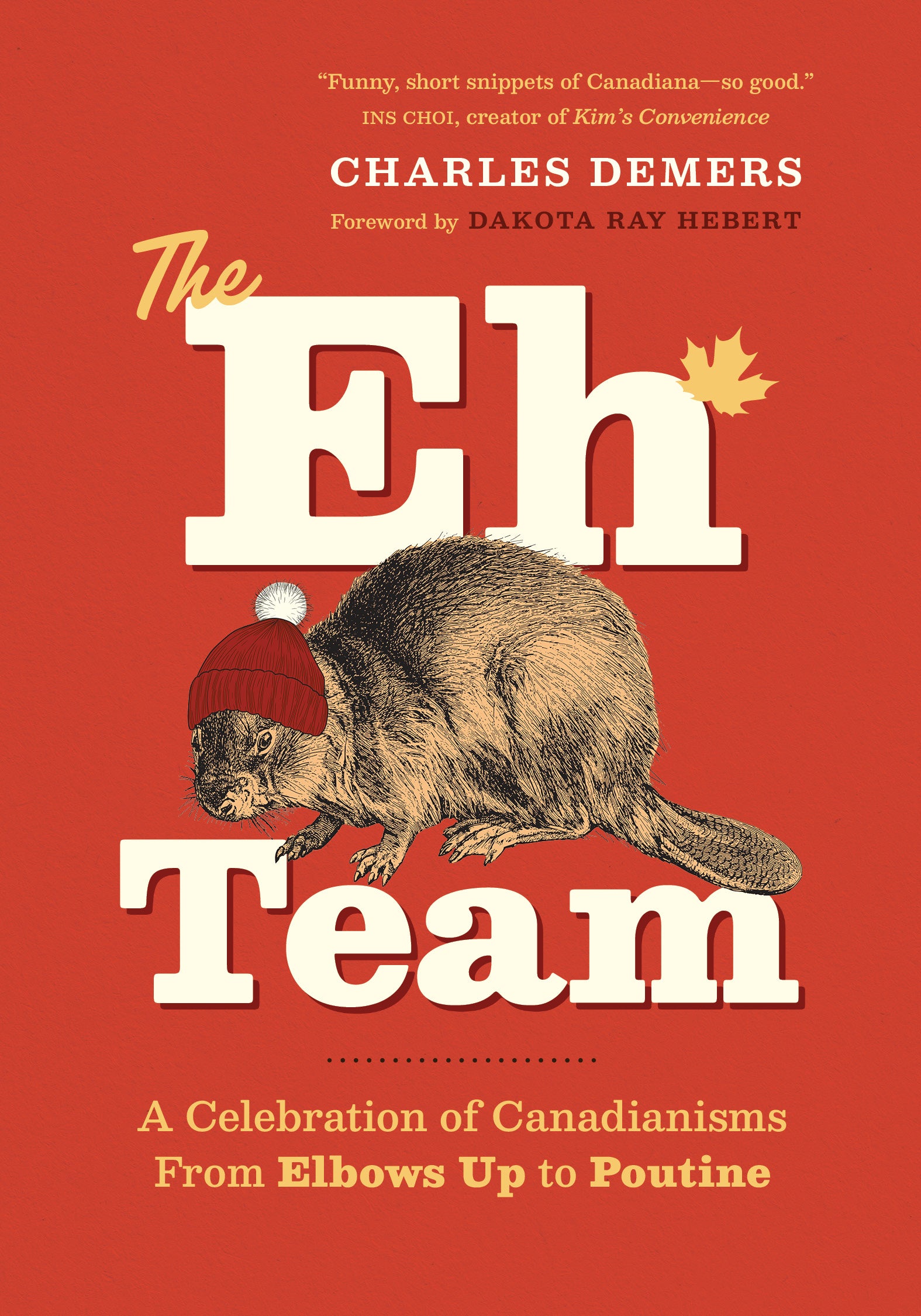
The Eh Team by Charles Demers is a delightful and charming encyclopedia of Canadiana. Demers muses on such Canadian classics as Nanaimo bars, Cheezies, The Friendly Giant, Wok with Yan and more, all with comedic wit and perfectly personal anecdotes. It should be put in the beside drawer of every Canadian hotel.
Link: https://greystonebooks.com/products/the-eh-team
Right Thing, Right Now by Ryan Holiday
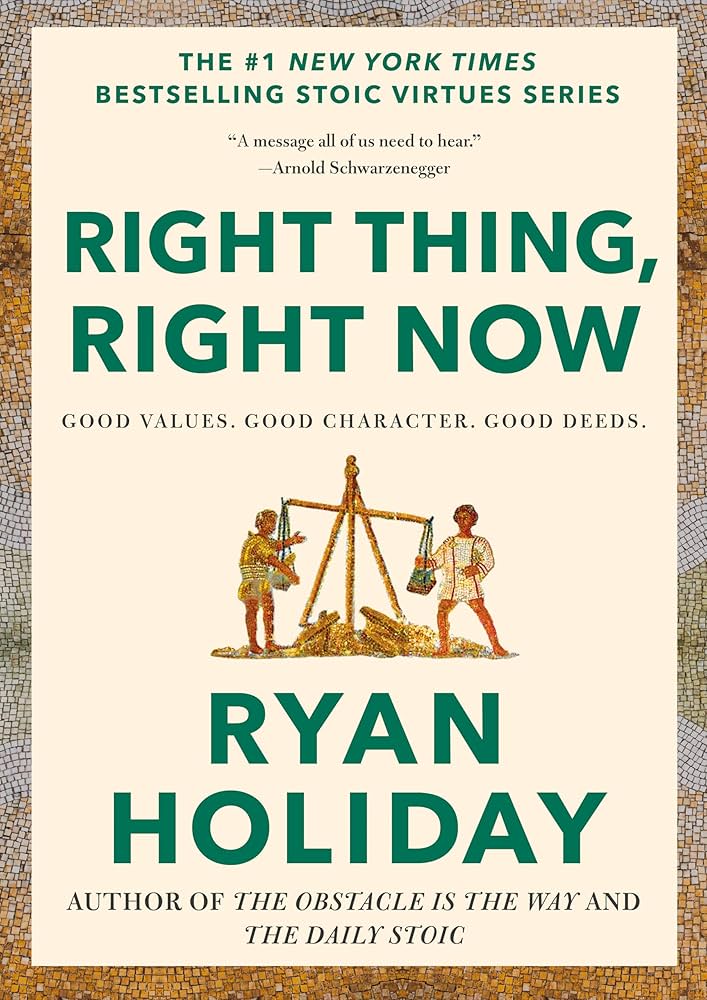
Right Thing, Right Now by Ryan Holiday takes a different direction from some of his previous books, most notably The Obstacle Is the Way and Stillness Is the Key. Those books are largely concerned with illustrating ways to handle the chaos and uncertainty of life. They’re incredibly important guides on how to live properly and how to be calm and present in the storm of modern existence.
Right Thing, Right Now takes people beyond the self to consider how to live properly in society — and history. It points out quite accurately that this often means going against the social or political current and may require sacrifice.
In many ways Right Thing, Right Now is a more challenging book than Holiday’s previous ones as it requires you to consider more than your self and even consider actions that may be harmful to your self but still be the right thing to do. It’s much less universal — The Obstacle Is the Way can be adopted by anyone, but Right Thing, Right Now will divide people politically.
I admit I found it occasionally frustrating and not as immediately useful to me as The Obstacle Is the Way or Stillness Is the Key. However, that’s the point of it. Sometimes we have to think of larger things than ourselves. And if there was ever a time to be concerned with doing the right thing, it’s right now.
Link: https://store.dailystoic.com/products/right-thing-right-now
How They Messed Up the Book Industry by Ken Whyte
“In hollowing out the institutions that select, promote, and sustain books, Canada surrendered control not just over scale and distribution, but over how (and if) its own history, conflicts, and ambitions are narrated and remembered.”
What’s to be done about the state of Canadian publishing?
Poetic Devils: The January 2026 Bibliofiles
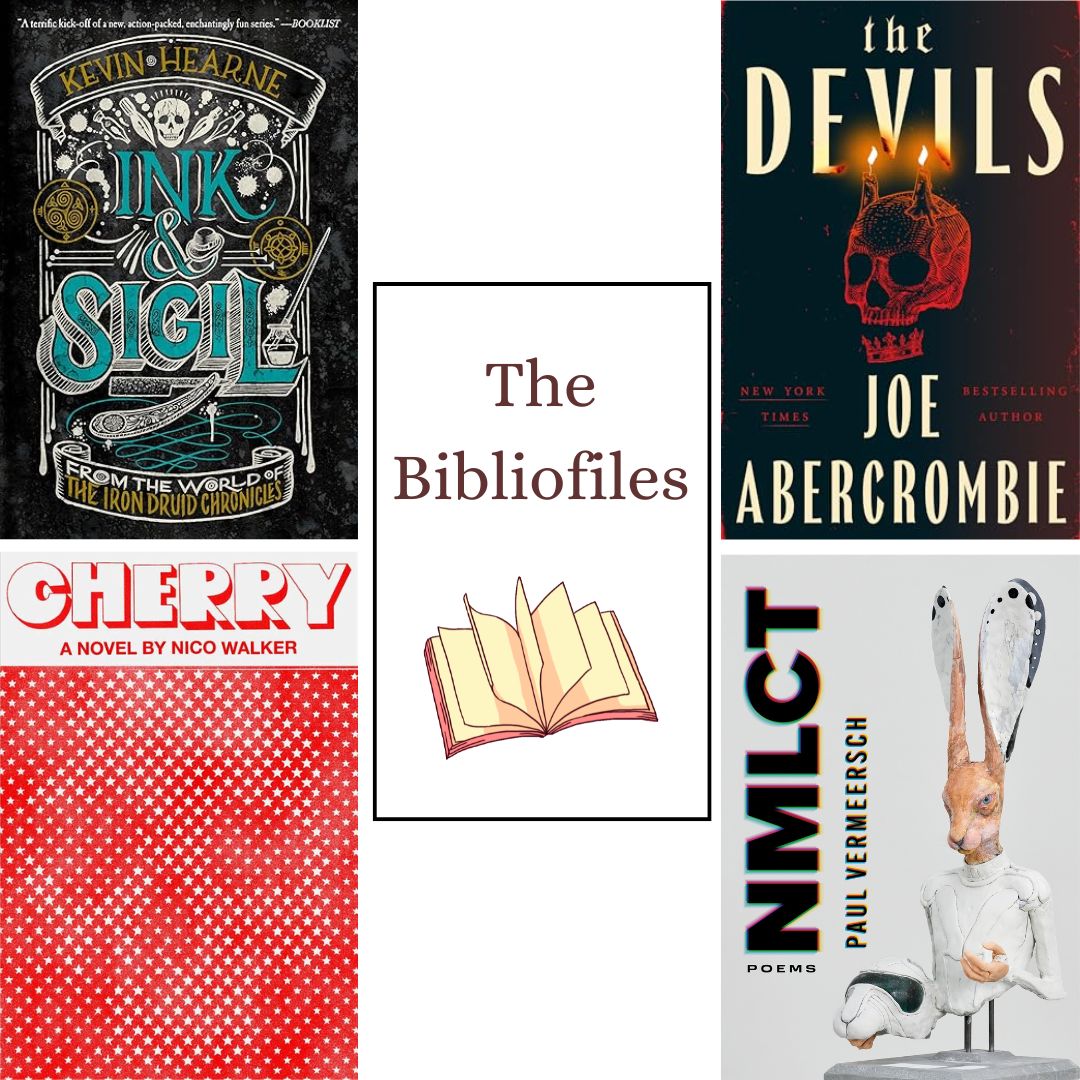
January was a month where I read a bit of everything: fantasy, literary fiction and even poetry. What better way to start the new year?
Fiction
The Devils by Joe Abercrombie
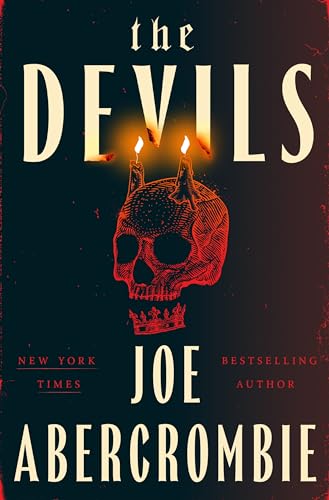
The Devils may be Joe Abercrombie’s best novel yet, and that’s saying something given his backlist of contemporary fantasy classics.
The Devils isn’t set in Abercrombie’s usual fantasy realms but instead takes place in an alternate history where Europe is divided by a religious schism and facing an invasion of… elves.
Yes, elves.
The reader is thrown into this familiar yet strange world to follow a papal special forces squad as they escort an heir to the eastern throne despite the wishes of the current occupants of the throne. And this is where things get really fantastic because this papal squad are mostly supernatural creatures — a vampire, a necromancer, a werewolf, a soldier who can’t die, an elf and so on. Those trying to stop them are even more supernatural — animal soldiers and fish pirates and sorcerers and the like.
It’s a crazed, bizarre and action-packed fantasy thriller that invokes other genre classics — the Magnificent Seven, Frankenstein, the Island of Dr. Moreau and more.
Above all, it’s classic Abercrombie, though — as darkly humorous as it is grimly violent and morally ambiguous.
If you’re looking for similar reads, try Sebastien de Castell’s The Malevolent Seven series, Christopher Buehlman’s The Blacktongue Thief or Cameron Johnston’s The Maleficent Seven.
Link: https://www.goodreads.com/book/show/233800039-the-devils
Ink & Sigil by Kevin Hearne
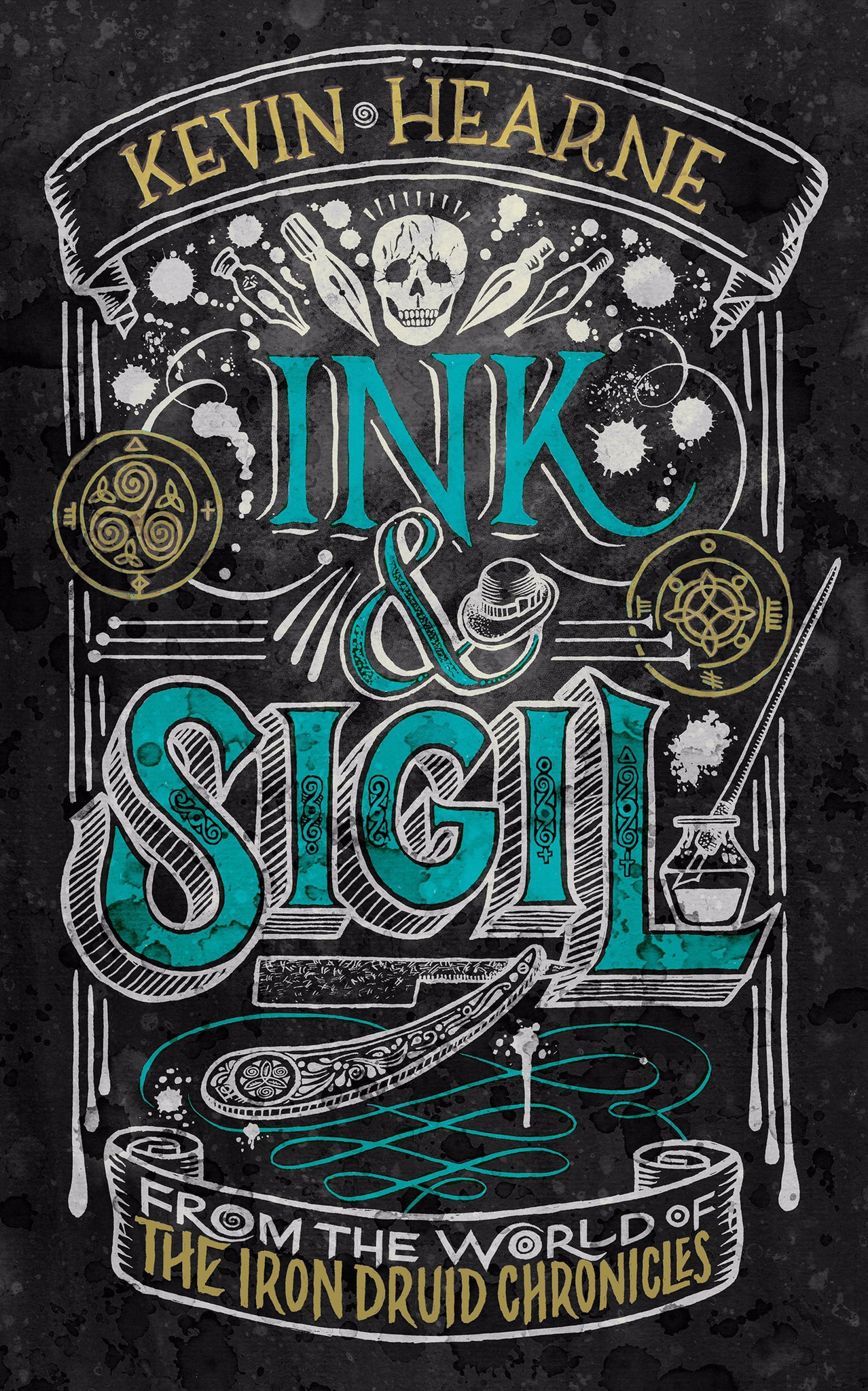
The first in a parallel series to Kevin Hearne’s Iron Druid tales, Ink and Sigil follows Al MacBharris, a sort of magician in Glasgow. Al uses sigils and other arcane tricks to try to keep the realms of supernatural beings such as hobgoblins and faerie hidden from our own. But when his apprentice winds up dead, Al is drawn into a secret plot to unleash chaos upon his world. A fun yet dark tale with plenty of action, a great magic system and a promise of many adventures to come.
Link: https://www.goodreads.com/book/show/49183690-ink-sigil
Cherry by Nico Walker
The hallucinatory chronicles of a young American man who moves through life in a drug haze, joining the army and shipping off to Iraq, then returning to wander through a life of bank robberies and other misadventures. Jesus’s Son meets Catch-22.
Link: https://www.goodreads.com/book/show/36521370-cherry
Poetry
NMLCT by Paul Vermeersch
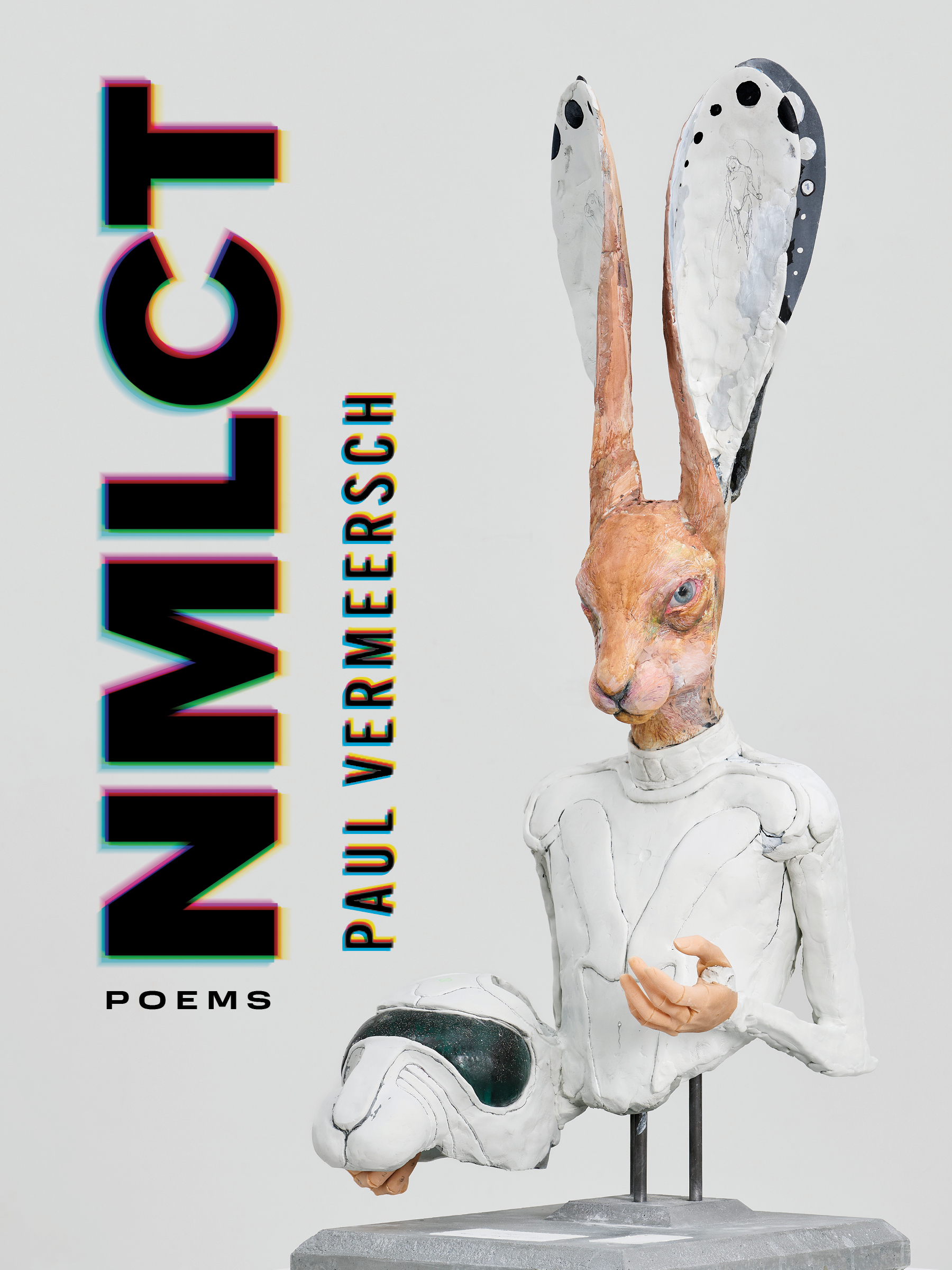
Rereading NMLCT by Paul Vermeersch and my mind is still blown. How to make sense of these poems that question the reality and hallucinations of our post-truth society. As if some haunted god was trying to speak to us through AI prompts, perhaps even to warn us.
“Is that what I want? I don’t know.”
Everyone reading this is a suspect: The December 2025 Bibliofiles
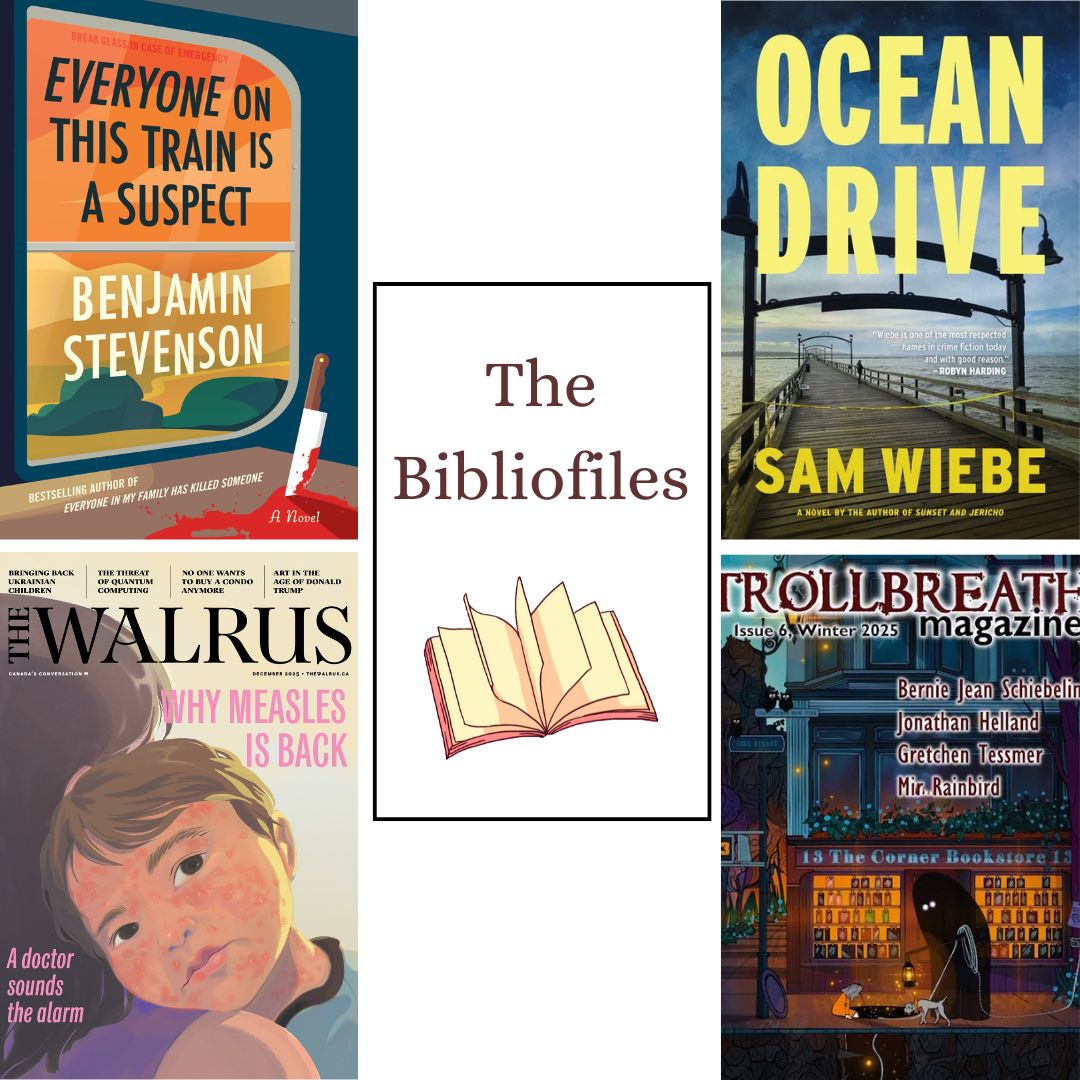
December saw me on a mystery reading binge. Why do my thoughts turn to murder around Christmastime? Who can say…?
Fiction
Ocean Drive by Sam Wiebe
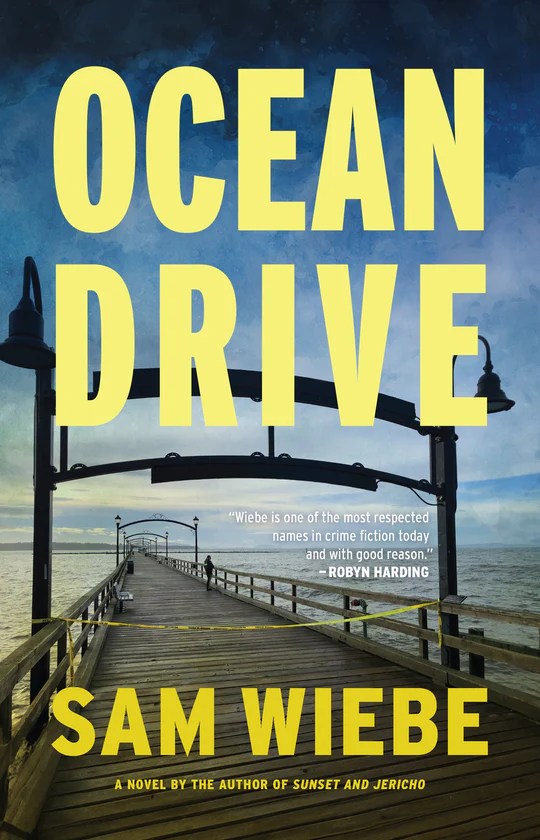
Hard-boiled British Columbia.
That’s what best describes Sam Wiebe’s Ocean Drive, a dirty thriller set in the idyllic community of White Rock on BC’s West Coast. Only this paradise by the water has a seamy underside of sex, drugs and murder. Lots of murder.
Ocean Drive tells two stories: that of Cam, a troubled young man who’s just been released from prison for manslaughter; and Meghan, a divorced “cop mom” who’s trying to solve a murder where Cam quickly becomes a suspect.
Both are caught up in a world of urban gangsters and a changing world, where the old farmland of the West Coast is being replaced by urban sprawl and casinos, and society is increasingly divided between the generationally wealthy and those who can never get ahead.
Ocean Drive could have been pulled from the headlines of BC’s newspapers — it has bloody gang warfare, crooked lawyers, desperate losers, infamous criminal brothers and cops that walk all the grey alleys in between.
You’ll never look at Beautiful BC the same again.
Link: https://www.goodreads.com/book/show/200358289-ocean-drive
Everyone On This Train Is a Suspect by Benjamin Stevenson
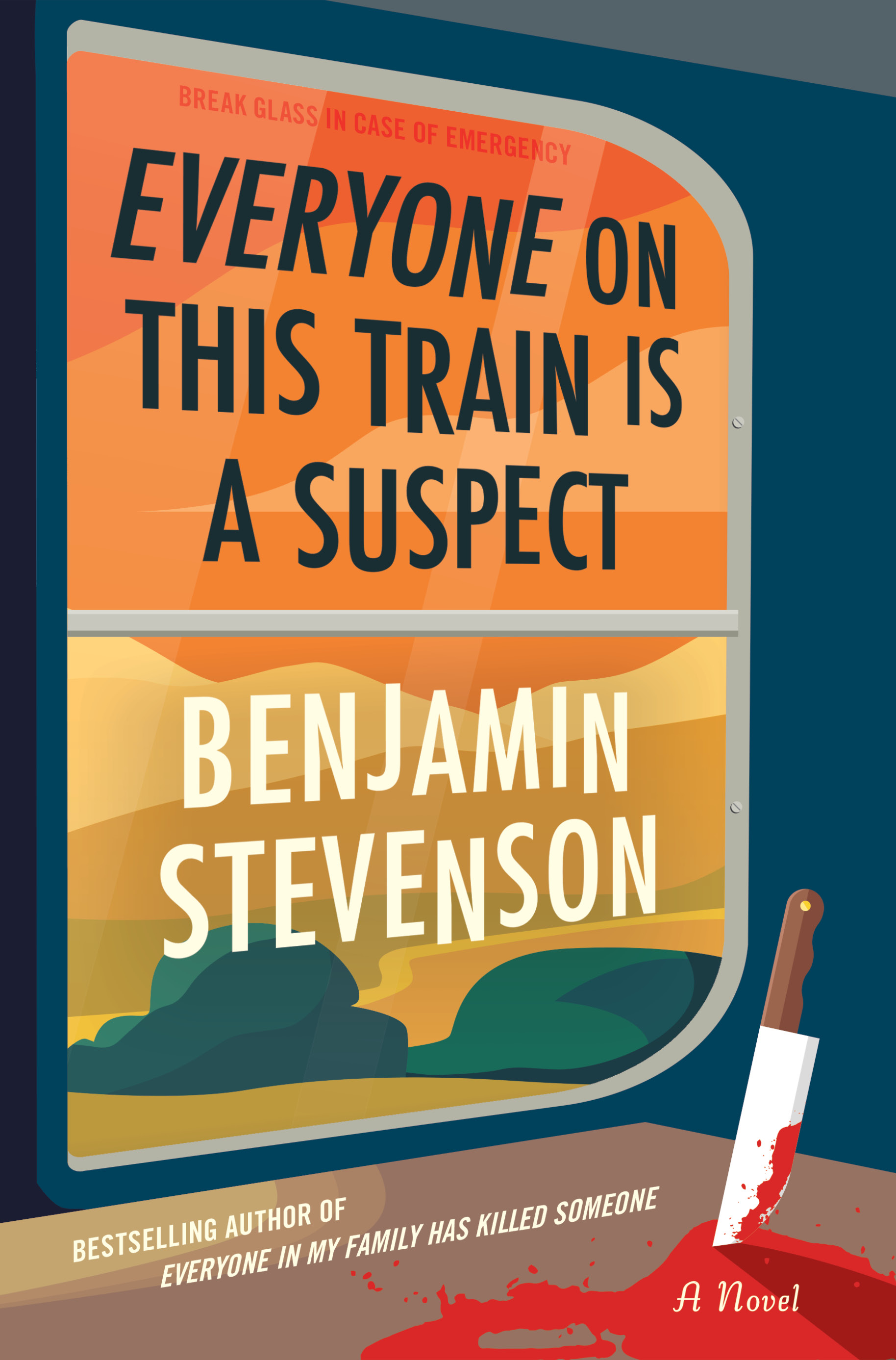
Author Ernest Cunningham joins a writers fest on a cross-country train in Australia in the hopes of finding inspiration to follow his debut book, Everyone in My Family Has Killed Someone. You can probably see where this is going right away and, yes, his fellow travellers are a cast right out of a classic murder mystery novel in an even more classic setting. The bodies start piling up and each of the suspects has their own secrets, grudges and schemes — layers upon layers of secrets, grudges and schemes in fact. What makes the novel all the more fun is that the suspects are writers, publishers and agents.
And Everyone On This Train Is a Suspect is very fun. It’s not just a murder mystery with multiple bodies but a meta-mystery with one of the most unique and clever narrators ever in the genre. Cunningham — or is that Stevenson? — knows all the rules of mystery novels and delights in incorporating them all into his tale with conspiratorial charm, delivering a masterclass in storytelling to the reader in a wonderfully self-aware reinvention of the genre. It’s clever and funny while at the same time being a wicked mystery.
Truly a revelation!
Link: https://www.goodreads.com/book/show/167006698-everyone-on-this-train-is-a-suspect
Rashomonster by Michael Allen Rose
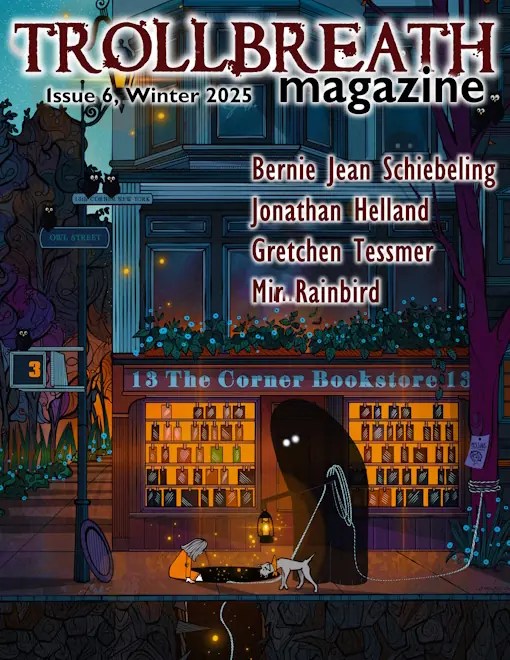
This rather sums up this bizarro monster story:
“The wolfman, in human form, attended a birthday party, which his friends had put together for him. At some point in the evening, two children played a prank resulting in the wolfman being fully startled, and this caused an expulsion of breath beyond normal expectations, setting a nearby mummy on fire. The wolfman, still human, tried to extinguish said mummy, but due to a mixture of incompetence and comic misadventure, the wolfman caught fire as well, was horribly burned and otherwise injured, and proceeded to transform into a wolf, because of the stress. The wolfman was subsequently taken to the veterinarian by Frankenstein’s non-monstrous person consisting of collected body parts repurposed for new opportunities.”
Link: https://magazine.trollbreath.com/rashomonster-2/
Non-fiction
How to Fix Book Publishing by Kenneth Whyte
Canadian-published books now account for less than 5% of the Canadian publishing market — and the situation is getting worse, not better. How to turn that around?
How about reinventing the PLR (public lending right program) to better reward authors with Canadian publishers and the publishers themselves?
Link: https://substack.com/home/post/p-180628703
Keep Going by Austin Kleon
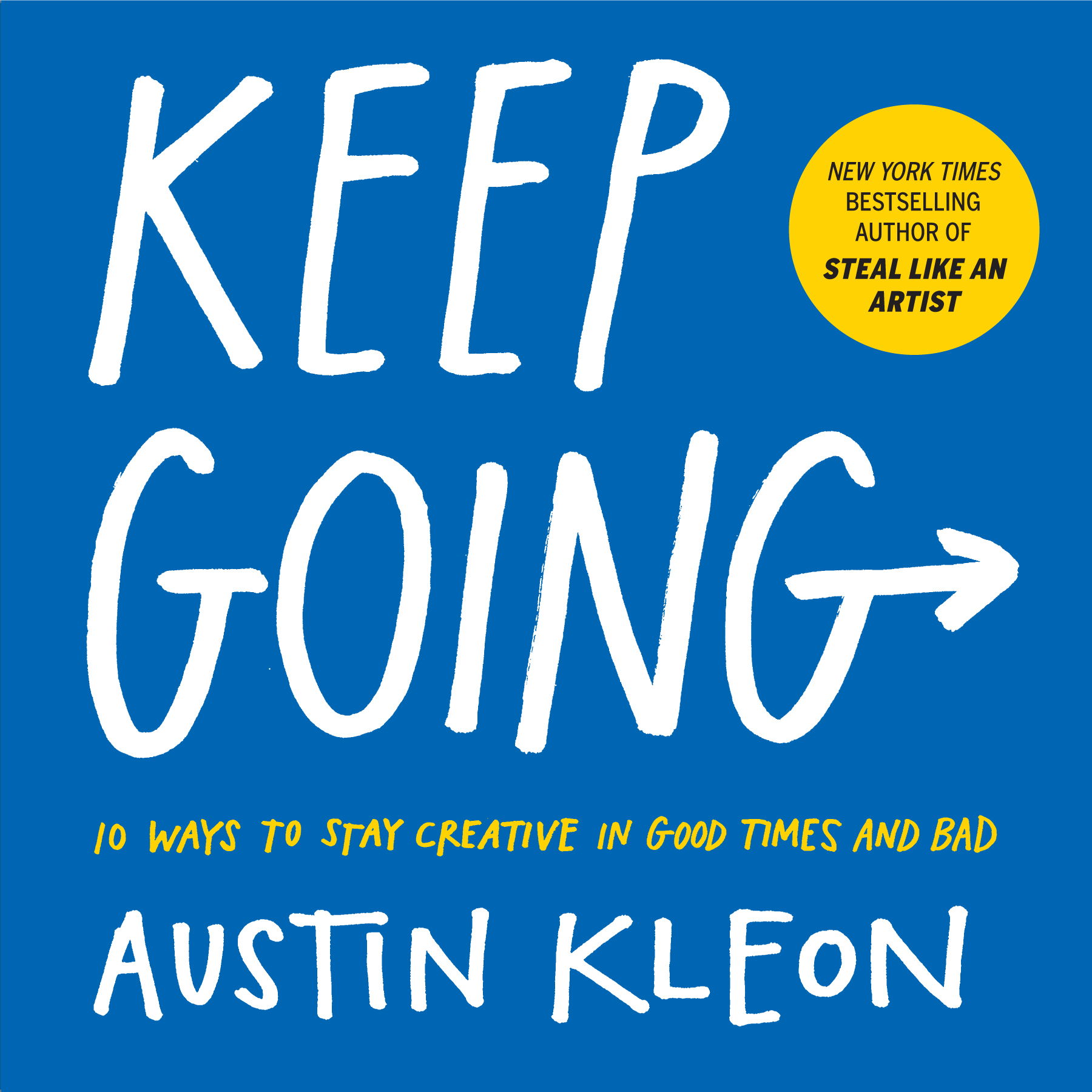
Keep Going by Austin Kleon is a slim little book but it’s one of my most highlighted books after only one read. Billing itself as a primer on “ways to stay creative in good times and bad,” Keep Going is an informal yet deeply insightful series of meditations on not only the importance of creativity but the sustainability of creativity.
Kleon acknowledges the world can beat down creatives but that a shift in mindset can keep creativity alive. Focus on the daily rituals and routines of creativity and find a “bliss station” so that the creative practice becomes not a means to some illusory goal but a meaningful thing on its own.
Keep Going isn’t a how-to manual or a deep dive into creative strategies and techniques. It’s a book about perspective and mental shifts and probably belongs on the same shelf as James Clear’s Atomic Habits and Ryan Holiday’s Stillness Is the Key. It extends beyond creativity to living a good life overall. As Kleon says in the book: “None of us know how many days we’ll have, so it’d be a shame to waste the ones we get.”
Link: https://www.goodreads.com/book/show/40591677-keep-going
The Fall of the English Department by Adam Walker
There was a time in my life when I was a graduate student eyeing the contemplative life of a professor. The Fall of the English Department by Adam Walker lists more than a few of the reasons I eventually left the ivory tower for the delightful chaos of the outside world.
Link: https://substack.com/@adamgagewalker/p-177582596
If Chatbots Can Replace Writers, It’s Because We Made Writing Replaceable by Andre Forget

“Market pressures are now so intense, and industries have become so consolidated, that a good deal of what gets published every year already reads like a photocopy of a photocopy.”
Publishing was already in trouble before AI turned up.
Link: https://thewalrus.ca/if-chatbots-can-replace-writers-its-because-we-made-writing-replaceable/
Poetry
Grawlix by George Murray
They’re not done following you,
these childish angers, like stormy
weather pushing in, memories
hovering near the edge of the panel,
peripheral to the eye.
Malevolent babbling: The November 2025 Bibliofiles
This month saw me reading some heady, intellectual historical fantasy while at the same devouring a book about vampire kangaroos and other strange creatures. Plus a bit of weird fiction and weird journalism!
Fiction
Babel by RF Kuang

Babel by RF Kuang is a complex and multilayered novel that defies easy description — which is befitting, given its subject matter.
Equal parts historical fantasy, dark academia, anticolonial manifesto and coming-of-age tale, Babel relates the tale of Robin Swift, a Chinese child orphaned by a plague and whisked away to Oxford to study the secret arts of magic.
In the world of Babel, magic is generated by the sort of imaginative gaps that occur when words are translated from one language to another and their meaning changes, creating a sort of linguistic loose energy. This energy is in turn channeled through silver bars — the physical manifestations of empire and power. It’s a compelling and utterly unique magic system that is well developed by Kuang, and there are echoes of, well, Eco here in the book’s linguistic and historical awareness.
The wonder of the magic system, which is used to transform every element of western society, is put into stark contrast with the abuses of the colonial system. The enchantment that Oxford holds for Robin soon fades as he realizes it is but another tool for sustaining the colonial machine — and he and his friends are but a cog in the machine.
Things inevitably come to a head when a war with China looms, driven by false pretences, and Robin joins an underground rebellion that strikes at the heart of the empire’s power.
The coming of age elements are layered everywhere throughout these events, as Robin confronts what it means to grow up in a place that was never meant for you, where you can never belong, and which uses you while abusing your people. It’s an interrogation of empire that examines more than colonialism and stretches wide to include capitalism itself. It’s all the more timely because of it.
Link: https://www.goodreads.com/book/show/57945316-babel
The Malevolent Eight by Sebastien de Castell
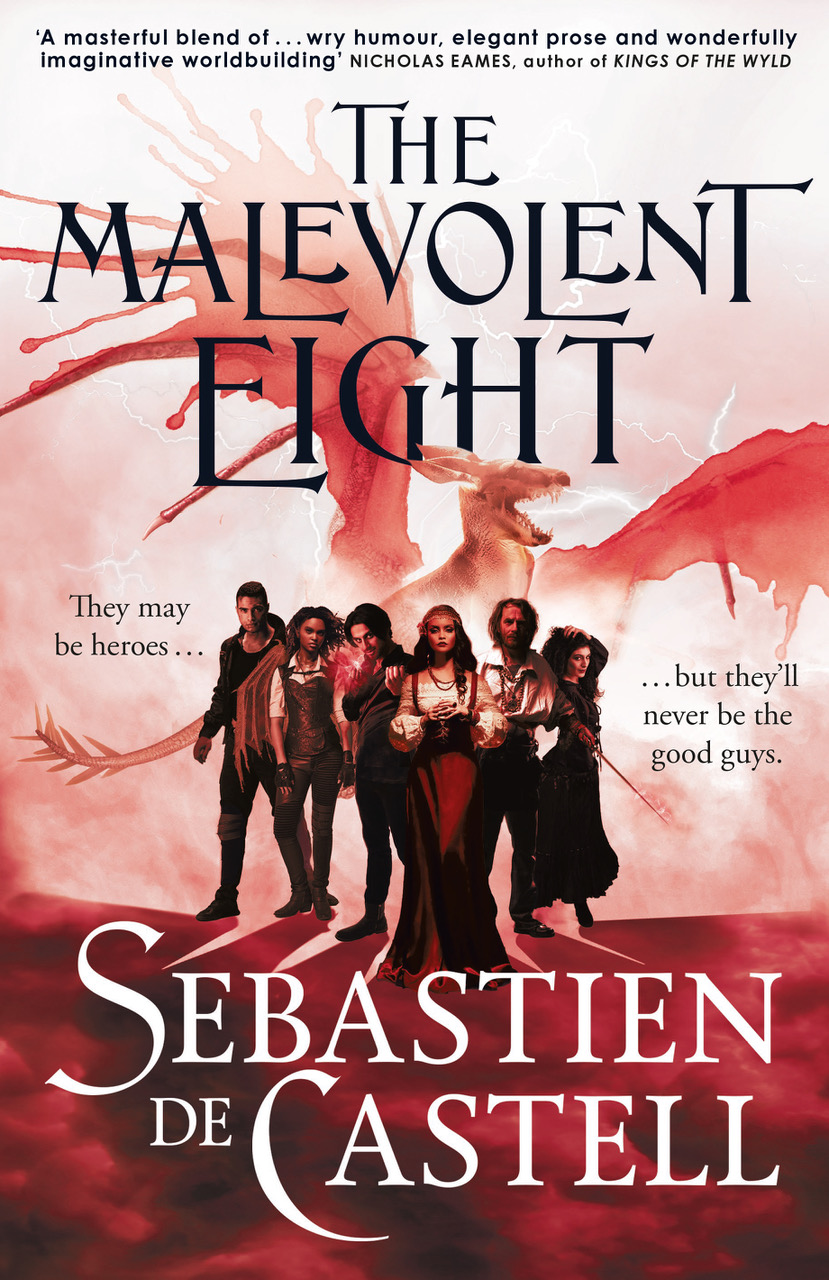
Deranged mercenary war mages, scheming celestials, diabolical infernals, dark magic, black humour and vampire kangaroos. Enough said.
Link: https://www.goodreads.com/book/show/223758590-the-malevolent-eight
Doctors HATE Her!! Local Woman Is NOT Cursed by Bree Wernicke

A woman starts coughing up Lego blocks and then instructions for a town. After that things get strange.
Link: https://www.bourbonpenn.com/issue/37/doctors-hate-her-local-woman-is-not-cursed-by-bree-wernicke
Non-fiction
How the Fight to Save Canadian Publishing from the American Market Shaped my 50-Year Career by Scott McIntyre
“Books are not mere merchandise. Books are a nation thinking out loud.”
Link: https://thewalrus.ca/i-was-warned-theres-little-money-to-be-made-in-publishing/
Forget Running Groups and Work Socials. Find a Book Club by Janna Abbas
Are book clubs the new way to make connections in an increasingly lonely world?
Link: https://thewalrus.ca/find-a-book-club/
Investigating a Possible Scammer in Journalism’s AI Era by Nicholas Hune-Brown
Who was the writer Victoria Goldiee? Did she even exist?