Blog Archives
A lament for book publishing and other hells: The August 2026 Bibliofiles
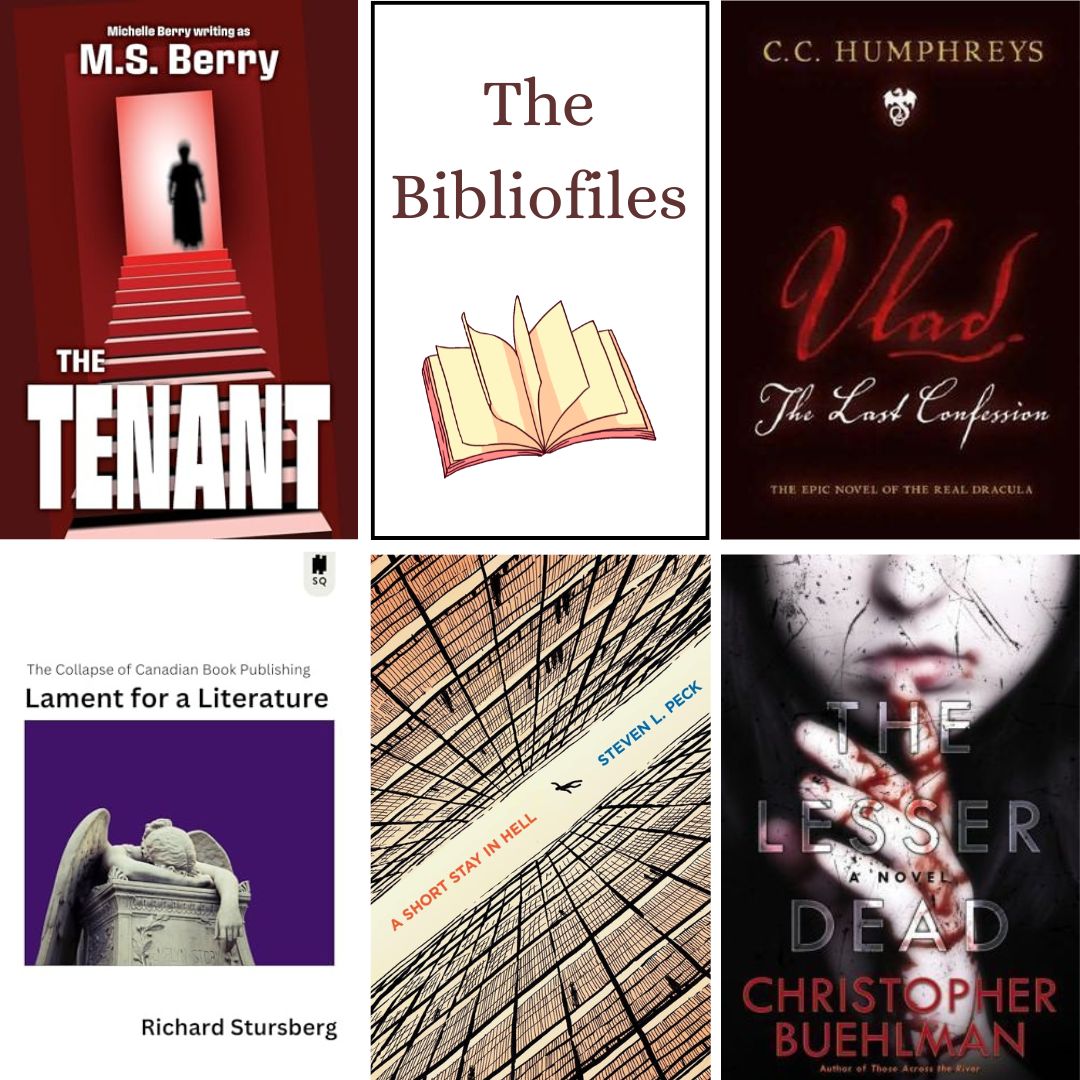
August always feels like the fading of a time to me, so it’s appropriate that much of my reading for the month was focused on the precariousness of book publishing. And vampires!
Fiction
Vlad by Chris Humphreys
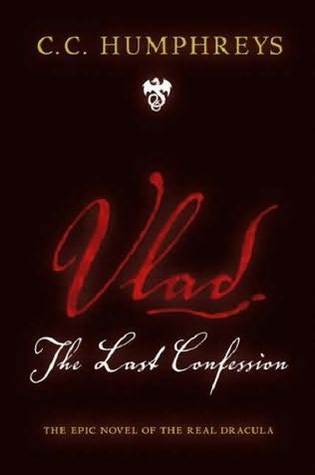
I’ve long been a fan of Canadian writer Chris Humphreys and his historical fiction. Shakespeare’s Rebel, Plague, the Jack Absolute novels — they’re all some of my favourite reads.
(I know Humphreys doesn’t live in Canada anymore but he’ll always be Canadian to me!)
I finally got around to reading Vlad and wish I had done so years earlier, as it’s one of his best works.
Humphreys takes the figure of Vlad the Impaler and creates a real human being behind the monstrous legends, one whose cruelty is not mindless but deliberate and forged in pain and suffering.
The book follows Vlad through his childhood years trapped in the Ottoman court to his later rise to the leader of Wallachia, a kingdom torn apart by corruption and political infighting. Vlad unifies the kingdom through terrifying displays of power so that he can take on the Ottoman Empire. His rise to power and devotion to duty comes at terrible cost, though, as Vlad must sacrifice his love and everything else that matters to him.
It’s a tale of truth vs. legend, and of the real people behind history’s horrors.
And if anyone knows history, it’s Humphreys. He’s one of the best historical novelists alive, and his attention to historical detail, politics, court intrigues and more is unmatched. Humphreys immersed himself in both the legends and the historical sites of his novel, and it shows in every page. Another masterpiece from a master writer.
The Tenant by MS Berry
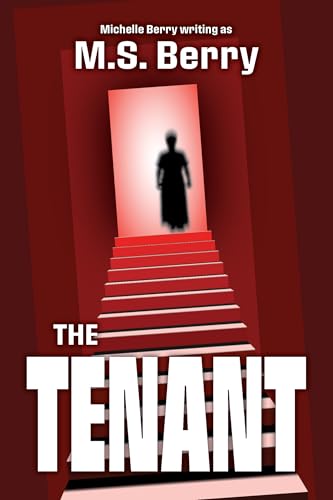
Ever wish your favourite writer would hurry up and finish a new book? Have you considered embarking on a murder spree to help them along?
That’s more or less the premise of The Tenant by MS Berry, otherwise known as the Canadian author Michelle Berry.
Writer Amy Ellis moves to Freiburg, Germany, for a year with her husband and young daughter in the hopes it will help break her writer’s block. It turns out writing has become challenging since she started a family. Who could have known?
They find their rented flat already occupied by the mysterious Eleanor, an old and odd English woman who soon inserts herself into the family’s life.
Eleanor isn’t just odd, though — she’s also a serial killer. And Amy is her favourite author. Eleanor is killing people with the hope it will give Amy plot ideas for her next book.
But when the book doesn’t meet the killer’s expectations, she decides to take things into her own hands and the book moves from psychological mystery to thriller.
So what do we have to do to hurry along the next book by MS Berry?
The Lesser Dead by Christopher Buehlman
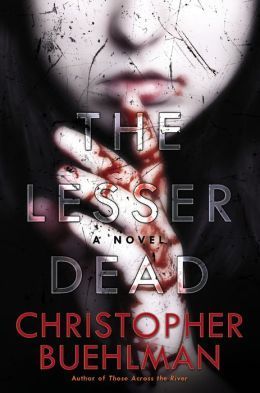
The Lesser Dead is one of the creepiest vampire tales I’ve ever read and way more complex than it initially seems to be. It follows the vampire Joey, who’s been trapped in a teen body for some time and living with a clan of vampires in the city’s underground. They’ve established a careful routine of bleeding favourite victims but not killing them, so they can essentially go unnoticed forever.
That all changes when they encounter a pack of feral children vampires who are much more bloodthirsty than them. Joey and his pack try to tame the younger vampires but things get very strange. And very bloody.
A must-read if you are into vampire stories or a fan of Christopher Buehlman.
A Short Stay in Hell by Steven L. Peck
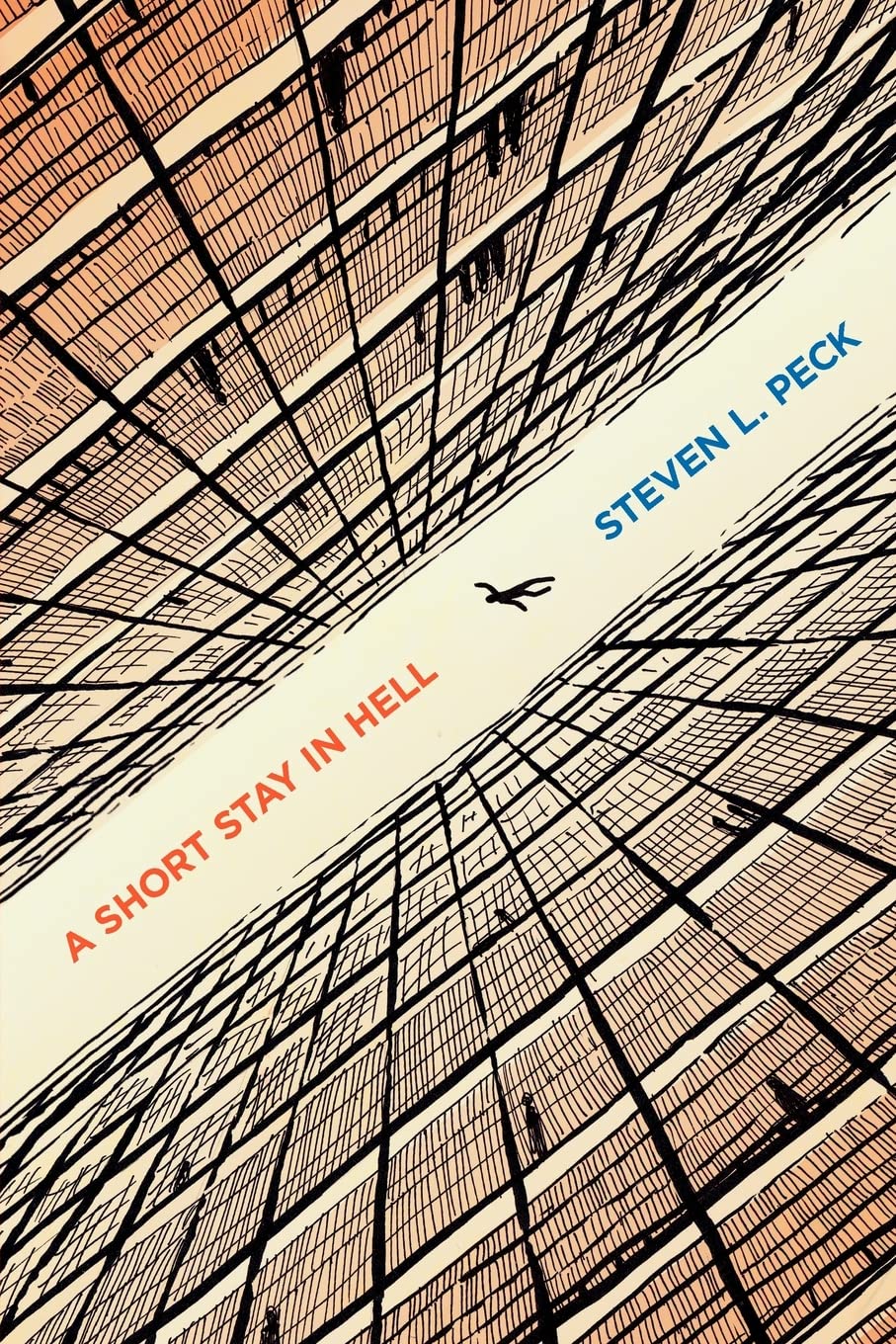
I’ve long been a subscriber to Borges’ notion that paradise will be a kind of library.
But what if Hell is a library?
That’s the premise of the novella A Short Stay in Hell by Steven L. Peck. It follows Soren, a Mormon who dies and finds himself in the waiting room of Hell. A bureaucrat demon explains to him that pretty much everyone winds up in Hell for not following the one true religion, which turns out to be Zoroastrianism. Every one of the damned gets condemned to their own personal Hell, which in Soren’s case is an endless library.
Well, that doesn’t sound so bad. But of course there’s a catch.
The library contains every book that can be written, but the books don’t have to make sense. So everything around Soren and the other damned are texts of gibberish. The only way they can escape is to find the books that tell their earthly life story — a search that promises to take all eternity.
A Short Stay in Hell is beautiful and terrifying at the same time — and unlike anything else I’ve read. It’s like some strange book discovered in the library of Hell itself. My only complaint with it is its length — I wish it were a full novel rather than a novella. But that’s Hell for you.
Leprechaun Gold Accepted by Vivian Chou
A delightful little story told as updates to a Go Fund Me for a fairy attacked by toddlers.
Link: https://flashpointsf.com/2024/03/08/leprechaun-gold-accepted/
Non-fiction
Lament for a Literature by Richard Stursberg

Canadian publishing is the weakest domestically owned publishing sector in the industrialized world.
That is the argument put forward by Richard Stursberg in Lament for a Literature, but it’s nothing new for any of those involved in the Canadian culture scene. We’ve all been witness to a once-proud publishing ecosystem “deeply engaged with exploring and understanding Canada” becoming little more than a dumping ground for American publishers.
Stursberg points to a number of reasons for this, including government inaction as multinationals took over Canadian publishing and almost all of the domestic market. HarperCollins, Penguin Random House and Simon & Schuster became the key players in CanLit over a period of time thanks to purchases and consolidation, but they have little interest in maintaining the proud and innovative tradition of that same CanLit.
“They were essentially vehicles for the sale of foreign, most American, books,” Stursberg writes. “They were not much interested in Canadian authors unless they were well established, in which case they were happy to poach them from the smaller Canadian-owned publishers.”
Combine this with the rise of Chapters and Indigo, and you had the perfect storm for Canadian publishing. Chapters was able to insist on discounts because of their size, which meant less margin for smaller publishers. The big multinationals, of course, could afford it or negotiate their own terms.
Amazon has played a role as well, with its recommendation engine favouring popular books, which skews heavily toward the American market.
If all this weren’t bad enough, the decline of newspapers and other media further added fuel to the fire, with books sections usually among the first to get cut.
So can anything be done to reverse the death of Canadian publishing?
Maybe.
Certainly the Canada Council is a lifeline of sorts, but it is only that: a source of funding that helps some publishers and writers survive but only barely. Stursberg argues convincingly that more needs to be done in terms of government support and points to the models used to bolster Canadian television and film as an example. It’s a descent into bureaucratic madness too convoluted to get into here, but basically Canadian publishing is stuck in a competition funding model whereas the film and TV funding works more on rewarding Canadian production.
At the same time, Stursberg states that Canadian funding needs to move away from identity politics as it has become more of a wedge that divides than a unifying and progressive force: “These strictures have narrowed the boundaries of discourse and cast a chill on what can be said, written, or shown, radically restricting artists’ freedom of expression.”
Whatever your position on Canadian culture may be, it is clear that something must be done and that government action (after decades of inaction) is the only thing that may reverse the decline of Canadian publishing. As Stursberg concludes: “Saving Canadian media and, most centrally, Canadian books is essential to saving ourselves.”
Why Is Book Publishing So Precarious by Sara King-Abadi
Cuts to funding signal a new chapter for Canada’s books sector.
Link: https://thetyee.ca/Culture/2026/08/07/Why-Is-Book-Publishing-So-Precarious/
Abolish the Top Ten Books List by Thea Lim
Every writer loves to make a top 10 list (or top 50 or top 100, etc.) because we need all the publicity we can get. But most writers also realize such lists are as absurd as ranking books with a star system. Evaluating your personal relationship with a work of art is not the same as ranking microwaves. We need to return to ways of talking about culture that connect books with their ideal readers, not rank them on some arbitrary scale that will be different for each person.
Link: https://thewalrus.ca/abolish-the-top-ten-books-list/
The Buck-a-Book Solution by Ken Whyte
What’s the best way to compensate authors and publishers for their works in the library system? Does a dollar a borrow make sense?
“A public lending right shouldn’t start by pretending that each book borrowed represents a lost sale, as the librarians sometimes do. Let’s make it really simple, taking a cue from the Danish model. A buck a book. Every time a book is borrowed from a public library in the US or Canada, the federal government should compensate the author and the publisher, $1 to each. A buck a book.”
What gentlemen do across the river on a seldom seen road: The July 2026 Bibliofiles
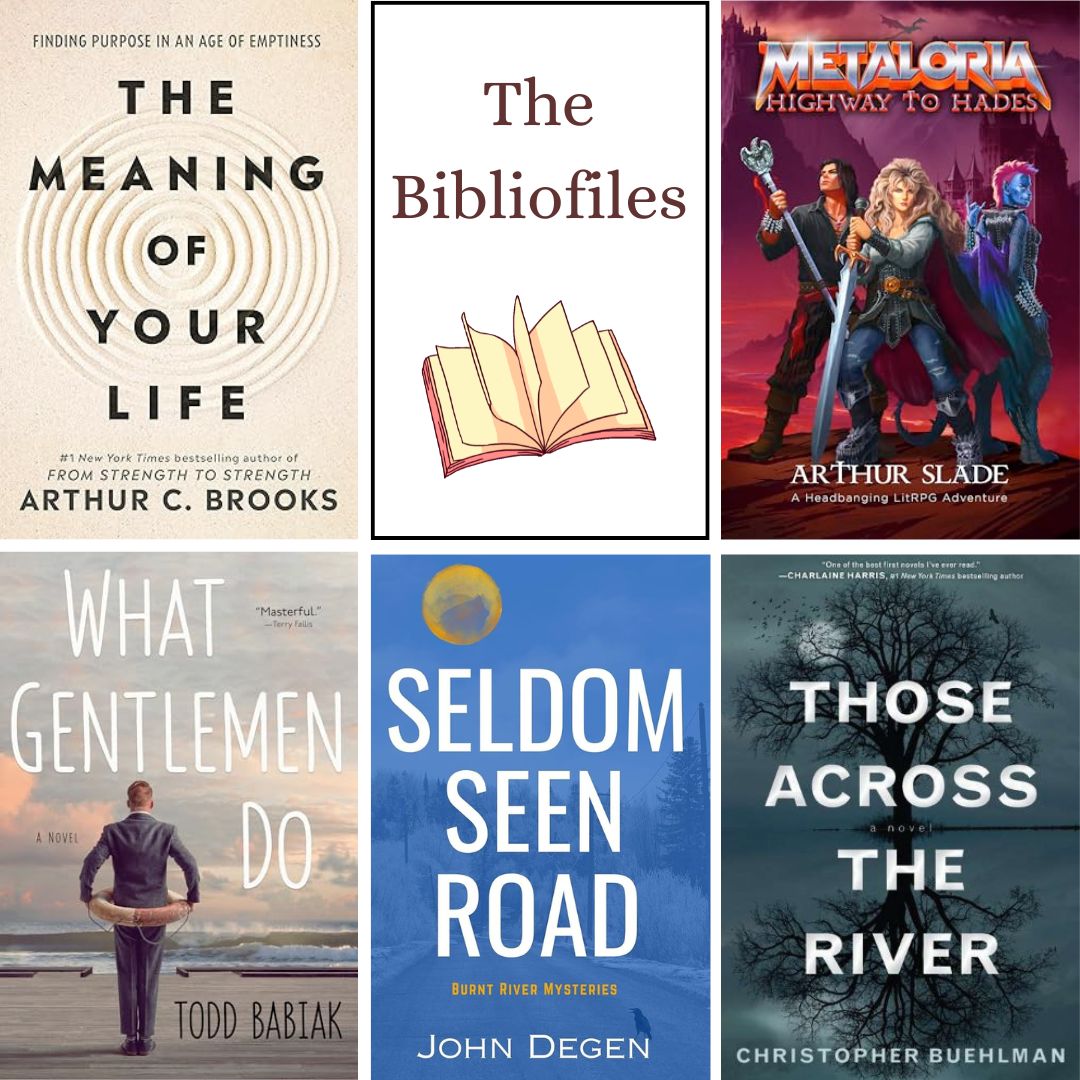
I think I hit all the genres for reading in July: literary fiction, non-fiction, mystery, horror, fantasy, LitRPG, weird lit — even some poetry!
Fiction
What Gentlemen Do by Todd Babiak
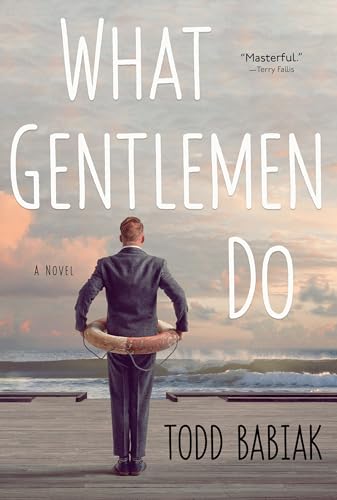
I love What Gentlemen Do because it brings together two of my favourite things: Todd Babiak and Stoicism.
Babiak’s novels are typically quiet, personal tales that extend out into the broader community, and What Gentlemen Do is no exception. It follows the young Waylan Gans after he has become the poster boy for right wing extremists due to his spontaneous involvement in a university protest related to a podcaster. Waylan now works at a bookstore in the small town of Walleye and tries to live down his unintended infamy while working through the emotional aftermath of his romantic coming out to a long-time friend, Derby, who rejected him. At the same time, his parents split up as his father has made a bad bet on cryptocurrency and they are about to lose the family home.
What Gentlemen Do is very much of the moment, as Waylon drifts first toward grievance culture of the sort favoured by young men, then toward Stoicism as a healthier antidote.
Like real life, though, What Gentlemen Do is more nuanced and complicated than a simple clash of values between toxic masculinity and Stoicism. Walleye is representative of dying small towns across North America, where those who can get out do and those who cannot face no future whatsoever. In that sense, the novel is as much an exploration of class culture and perhaps even capitalism as anything else. As Waylan reflects at one point, “No matter what I did I could never be one of them.”
In a bizarre twist, Waylon becomes the pet project of a wannabe political influencer thanks to his online fame and she sets him on a path to running for mayor of Walleye. This is where perhaps the true heart of the book lies, as Waylon genuinely tries to change the town for the better so people will stop leaving — Derby, his Stoicism professor, anyone else who can — and make a future for Walleye. In doing so, he may just create a future for people like himself as well.
This may be the real solution to the problem facing young men — not finding solace in online communities of other alienated individuals like themselves, but making change in their own community that helps build a stronger community.
Babiak, who works as a consultant for cities around the world, suggests as much in a Substack entry titled “One Thousand Small Things.” He spent years immersed in the feeds of online influencers and determined the audience was less interested in their messages and more in meaning and togetherness. Mass movements can’t save young men, Babiak argues, but perhaps a decentralized model of small ideas, projects and policies can.
“Young people can find meaning and togetherness on the streets when the local team wins a game, but they need something more enduring: an invitation to get out there and improve something, save something, create something with friends and like-minded strangers that can only happen in their communities.”
This is exactly what takes place in What Gentlemen Do as Waylan struggles against online extremism, political duplicity and even the shortcomings of Stoicism to maintain newfound values of hope and change in his community, where everyone can belong.
What Gentlemen Do is a quirky, funny, sad and timely novel – and it’s one of Babiak’s most important works yet.
Seldom Seen Road by John Degen
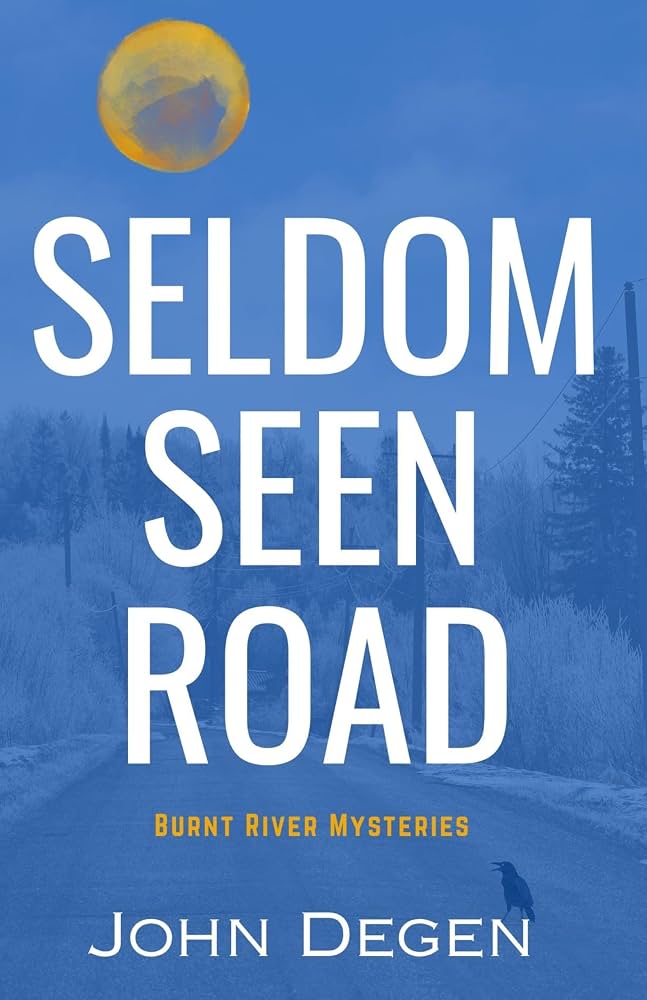
Seldom Seen Road by John Degen is a slow burn of a mystery novel that constantly defies expectations to become something unique in the genre.
It begins with the murder of a local environmentalist, who is fished out of a river with most of his face consumed by lamprey eels. At first glance, it seems comparable to Giles Blunt’s psychologically dark Cardinal mysteries.
But the cast of characters here are unlike other contemporary mystery series. Sure, there’s the northern cop Jeremy Roth, but much of the tale centres on his cousin Mark Roth, a widowed former musician who is hard of hearing and not at all inclined toward police work. The two are joined by Mark’s daughter Stephanie, a criminologist at Lakehead University who is dealing with the aftermath of not only her mother’s death but also of the end of her relationship.
Together the three of them put together the different pieces of the puzzle and tie the murder to the local drug trade, which is in a state of flux thanks to the legalization of marijuana.
But that is only part of the book. The real heart of Seldom Seen Road lies in its exploration of small town life — the characters found in the diners and gas stations, the constant threat from wildlife as development pushes up against and through nature, the solitude and loneliness, the hard life of resource extraction, the criminal and political tides of distant Toronto washing through the town every now and then, and more.
Seldom Seem Road is a murder mystery, yes, but it’s also a portrait of a community in a time that is leaving it behind. But even such a small town can have a powerful impact on the rest of the world, as becomes clear to everyone when the mystery leads to the town’s uranium refinery.
Seldom Seen Road is the first in Degen’s Burnt River series set on the north shore of Lake Huron. I hope there’s many more to come.
Metaloria by Arthur Slade
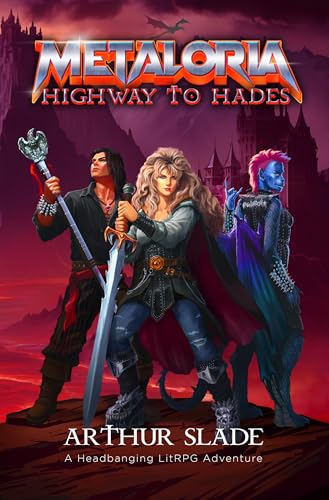
Metaloria is the latest fun tale from Canadian author Arthur Slade, who has made a name for himself in the field of fun fantasy novels. In Metaloria he puts a heavy twist on things in the form of heavy metal, as the novel follows a group of characters yanked from an Anvil concert and thrown into a most metal fantasy world ruled over by a deadly wizard.
Metaloria has an 80s D&D meets metal vibe, as the characters find themselves in a dungeon where every room has traps and creatures waiting to kill them. Their only hope is to level up and become powerful enough to take on the wizard – and level up they do as this is a LitRPG tale.
This is the book for you if you like your fantasy relentlessly comic and resonating with musical references both popular — “all we have to do is take a skiff up the Bretbachneil River to Twistysista and follow the Highway to Hades past Sweet, Child, and O’Mine until we reach Everyrosehasitsthorn” — and niche — “The only rangers we have here,” Fiora said, “are night rangers, and they eat the hearts of unwary travelers at the command of their leader, Sister Christianne.”
As a bonus feature, Slade included many of the people he’s played D&D with over the years in Metaloria, including myself: “The Mullet King McCann rules them. In his presence, you will always feel your hair is inadequate. Even Darbyshire and Latimer, his Metal Ball minstrels, have hair that would make rock gods weep with jealousy.”
What a motley crew!
Those Across the River by Christopher Buehlman
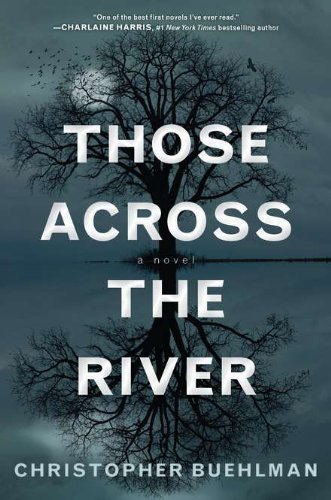
Those who follow me here know I’m a big fan of Christopher Buehlmann — The Blacktongue Thief, The Daughters’ War and Between Two Fires are some of my favourite books ever. So I thought I’d check out some of his earlier work, which is lesser known.
Those Across the River is a more horror than the fantasy Buehlmann typically writes these days, but it’s as different from everything else in its genre as his fantasy books are.
A tale of a small town in the south plagued by a supernatural and existential threat, Those Across the River is like reading Faulkner combined with Jim Thompson. It’s a got a lyrical voice with the kind of eye for detail that Buehlmann excels at, set in a southern gothic landscape haunted by the ghosts of slavery.
The book is told from the point of view of Frank Nichols, a former war vet and history professor who arrives in the town with his lover Dora, a schoolteacher he’s poached off a colleague. Dora teaches at the local school while Frank tries to write a book about his slave-owning ancestor in the town, who used to have a plantation that is now lost to the wilderness.
The town is one of those small villages that is doomed to die out eventually, but in the meantime the residents manage a hardscrabble existence that is made even harder by their ritual of releasing pigs into the forest across the river each month — which also happens to be where the lost plantation is located.
When the villagers decide to stop the ritual, horrifying things begin to happen. But this isn’t just some monster tale. The horror that descends on the town is straight out of the Jim Crow era and there is no escape — not even for Frank or Dora.
There’s a LOT going on this book — racial conflict, the urban vs. rural divide, post-war trauma, supernatural horror, an unreliable narrator and more. But it’s the characters that are always at the heart of the tale. Every single character is brought to life in unique and compelling ways in Those Across the River, including those who have only brief cameos. And the horror of the book relies upon their strong characterization. There are two scenes in the book — one involving a creepy boy and one with Dora — that are some of the most memorable horror moments I’ve ever read.
So if you’re a Buehlmann fan like I am, check out Those Across the River for another masterpiece.
Unprecedented Weather Patterns by Julia Leef
It’s raining blood, ping-pong balls, frogs, armadillos, asbestos and more in this beautiful tale of well, if not the end times, different times.
Link: https://redivider.emerson.edu/unprecedented-weather-patterns/
Non-fiction
The Meaning of Your Life by Arthur Brooks
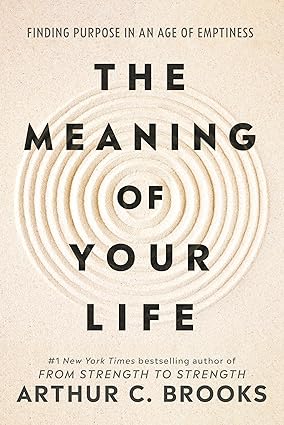
Does your life feel like it is missing something, no matter how much you do? If so, you’re not alone. And Arthur Brooks may have an answer for you in his book The Meaning of Your Life.
Brooks argues that what too many of us are missing is meaning. Our lives may be busy, full of information and overscheduled with experiences, but they are not necessarily meaningful. In fact it’s quite the opposite, as we are distracting ourselves to the point of despair.
Like others writing in this field, Brooks points to the “doom loops” of social media and new technologies such as smartphones. Brooks adds a new angle with his argument that our constant busyness and addiction to tech keeps us locked in the analytical, left-brain mode while the right-brain sphere of mystery, love and yes, meaning atrophies. Brooks argues we need to embrace the right side of the brain again to unlock our full selves.
How to do that, though? The first step is to break the patterns of modern life — “to interrupt the doom loop” and regain your full attention to life. For Brooks, this means a digital detox a la Cal Newport.
“It also means detoxing from the addictive properties of the tech we have adopted to anesthetize ourselves in a world that once felt boring – but that most definitely is not. Finally, it means refusing to give in to the antiboredom devices – and, indeed, getting bored in a productive, healthy way, perhaps for the first time in a long time. These steps will unshackle your brain, heart, and soul to seek the mysteries of true meaning.”
Brooks urges people to “ditch all the empty cultural calories” that fill their lives and focus only on what is nourishing.
“Devote your attention only to what is edifying and uplifting.”
Excellent advice so far, but what exactly does nourish our selves in the modern age?
For Brooks, leisure is incredibly important. He does not mean simply relaxing and doing nothing, though. Instead, Brooks means leisure as the sort of activity that you do for yourself rather than for a paycheque and you need to be as disciplined about it as you are about work. Leisure is more than “not work” – it is a different skill.
“Properly understood, leisure is the work you choose to do for yourself without the economic whip driving you.”
Brooks cites the influence of philosopher Josef Pieper on his thoughts about leisure, noting that when life becomes an endless cycle of working and recovering only to work again then culture dies. Leisure is less recuperation then and more development of your whole identity. Another parallel may be Simone Stolzoff’s The Good Enough Job, which also stresses the importance of having purpose outside of work. (And all of this seems an important counter to the fanatics calling for 996 working culture – 9-9, 6 days a week.)
Brooks also stresses the importance of more abstract and emotional/philosophical pursuits, such as immersing yourself in nature similar to the Japanese idea of Shinrin-yoku (forest bathing), falling in love and seeking the divine. Brooks stresses that all of these take actual work to transform the abstract into the concrete in your life.
“Religious practice is the set of actions and rituals you adhere to as your observance of faith with others. Practice takes your faith beyond abstract belief and makes it part of your daily life: you can believe in the ideas of Zen or the divine inspiration of the Bible, but until you practice Zen meditation or attendance at a house of worship, belief without participation doesn’t mean much.”
Brooks incorporate a bit of Stoicism as well, particularly around the idea of suffering and our constant attempts to escape even the possibility of it.
“Suffering will certainly find you. Don’t try to avoid it, and when it comes, don’t try to eliminate it. Instead, learn to manage it so that it leads to learning and growth.”
So if you are missing something in your life, I recommend you check out The Meaning of Your Life as the first step in your meaning journey.
Related:
- Digital Minimalism by Cal Newport
- The Obstacle Is the Way by Ryan Holiday
- Stillness Is the Key by Ryan Holiday
- Four Thousand Weeks by Oliver Burkeman
- The Good Enough Job by Simone Stolzoff
Poetry
My House Is Not On Fire by George Murray
Another poem of lingering beauty from Canadian poet George Murray.
Magical Motels and Labyrinthian Libraries: The October 2025 Bibliofiles

This month saw some monstrous reads: supernatural shenanigans on spaceships, goblin libraries, medieval massacres and insider tales of the publishing industry. Enjoy?
Fiction
Enjoy Your Stay at the Shamrock Motel by Andrew Kaufman

The Shamrock Motel is a magical place that can only be found by those who are lost — both geographically and emotionally. The tales in this collection follow an eccentric cast of characters who all reach some crossroads in their life and end up checking in to the Shamrock Motel.
That’s when things get weird.
A woman embarks on an affair with a bear, a child lives inside a piece of furniture, a man’s penis turns into an extension cord, a woman is confined and cleaned by hundreds of smaller women and so on. It’s as if Schitt’s Creek was directed by David Lynch as an X-rated movie.
Enjoy Your Stay at the Shamrock Motel probably won’t appeal to those who take comfort in a Best Western. But those who have a little more eccentric tastes will never want to check out.
Link: https://www.goodreads.com/book/show/216838651-enjoy-your-stay-at-the-shamrock-motel
Of Monsters and Mainframes by Barbara Truelove

Of Monsters and Mainframes is a fantastic mashup of space opera, quirky AIs and pulp horror — like if Murderbot had a dream of Halloween.
The tale follows the voyages of Demeter, a sentient spaceship that hauls passengers around the galaxy. But something goes wrong on one of Demeter’s voyages and hundreds of passengers die. Only Demeter knows the truth — the passengers were killed by Dracula!
If that’s not bad enough, Demeter’s next voyage features a werewolf running amok and killing most of the passengers. And the voyage after that has a strange bunch of cultists hijack the ship in an effort to find their sleeping god. And after that… well, you get the idea.
If it sounds absurd, that’s because it is. Of Monsters and Mainframes delights in playing genres against each other — science vs. supernatural, cold corporate bureaucracies vs. emotional AIs, and so on. Yet it’s also an intriguing mystery about consciousness — what can a ship actually perceive, and what if the AI is delusional — as well a warm found family tale.
If you’re looking for a little supernatural in your sci-fi, then this one is a monstrously good read!
Link: https://www.goodreads.com/book/show/216540053-of-monsters-and-mainframes
Between Two Fires by Christopher Buehlman
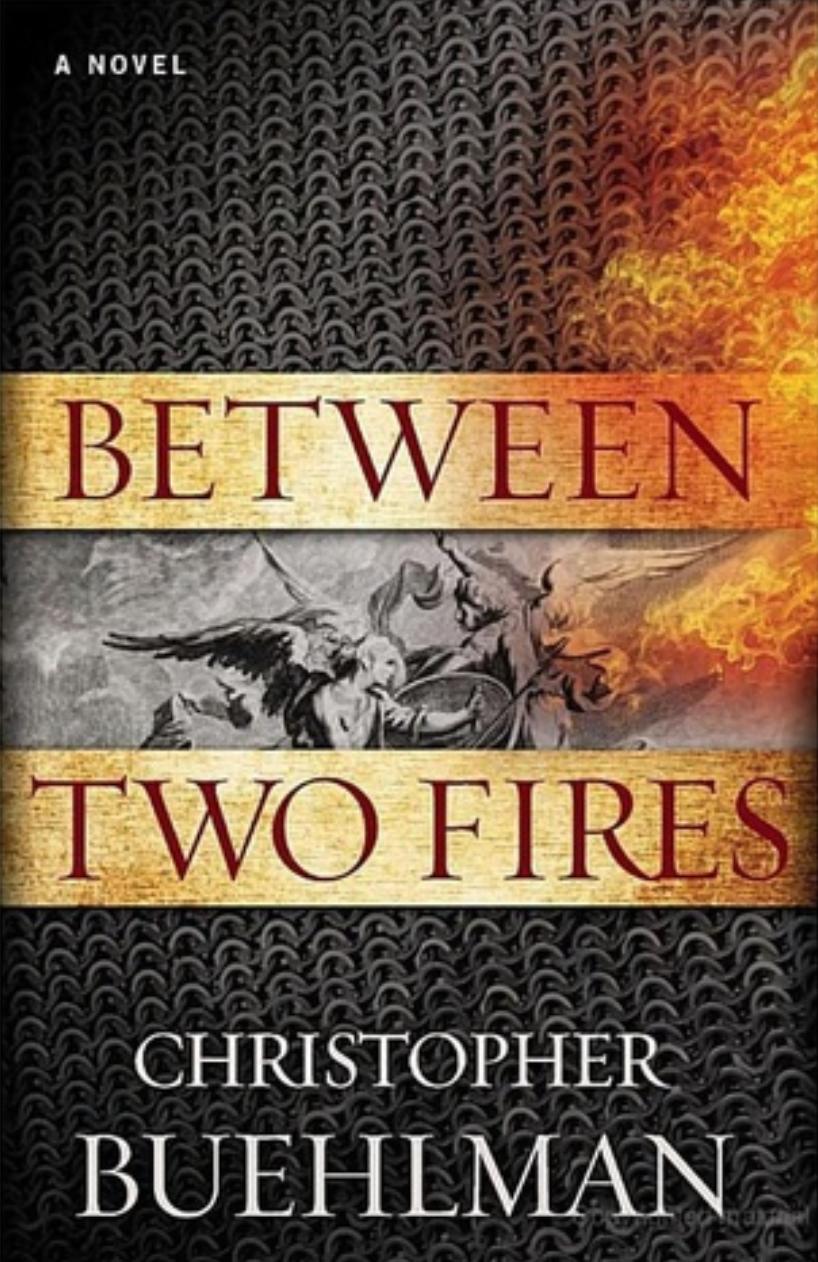
A lyrical nightmare of a tale that follows a disgraced knight wandering through an apocalyptic, plague-ravaged Europe that is populated with genuine monsters and demons — and angels?
Buehlman is one of the most creative and original fantasy writers of this generation and perhaps ever. While he may be best known for The Blacktongue Thief and its prequel, The Daughters War, Between Two Fires is a masterpiece of psychological horror and visionary madness.
Think The Road meets Hieronymous Bosch and you’ll have an idea of what lurks between the covers of this book, waiting for you.
Link: https://www.goodreads.com/book/show/13543121-between-two-fires
A Random Walk Through the Goblin Library by Chris Willrich

If your ideal fantasy tale is a magically written, literary labyrinth infused with Calvino, Borges, Lovecraft, necromancy, demons and supernatural libraries, then check out “A Random Walk Through the Goblin Library” by Chris Willrich.
Link: https://www.beneath-ceaseless-skies.com/stories/a-random-walk-through-the-goblin-library/
Nonfiction
The Publishing Industry Has a Gambling Problem by Tajja Isen
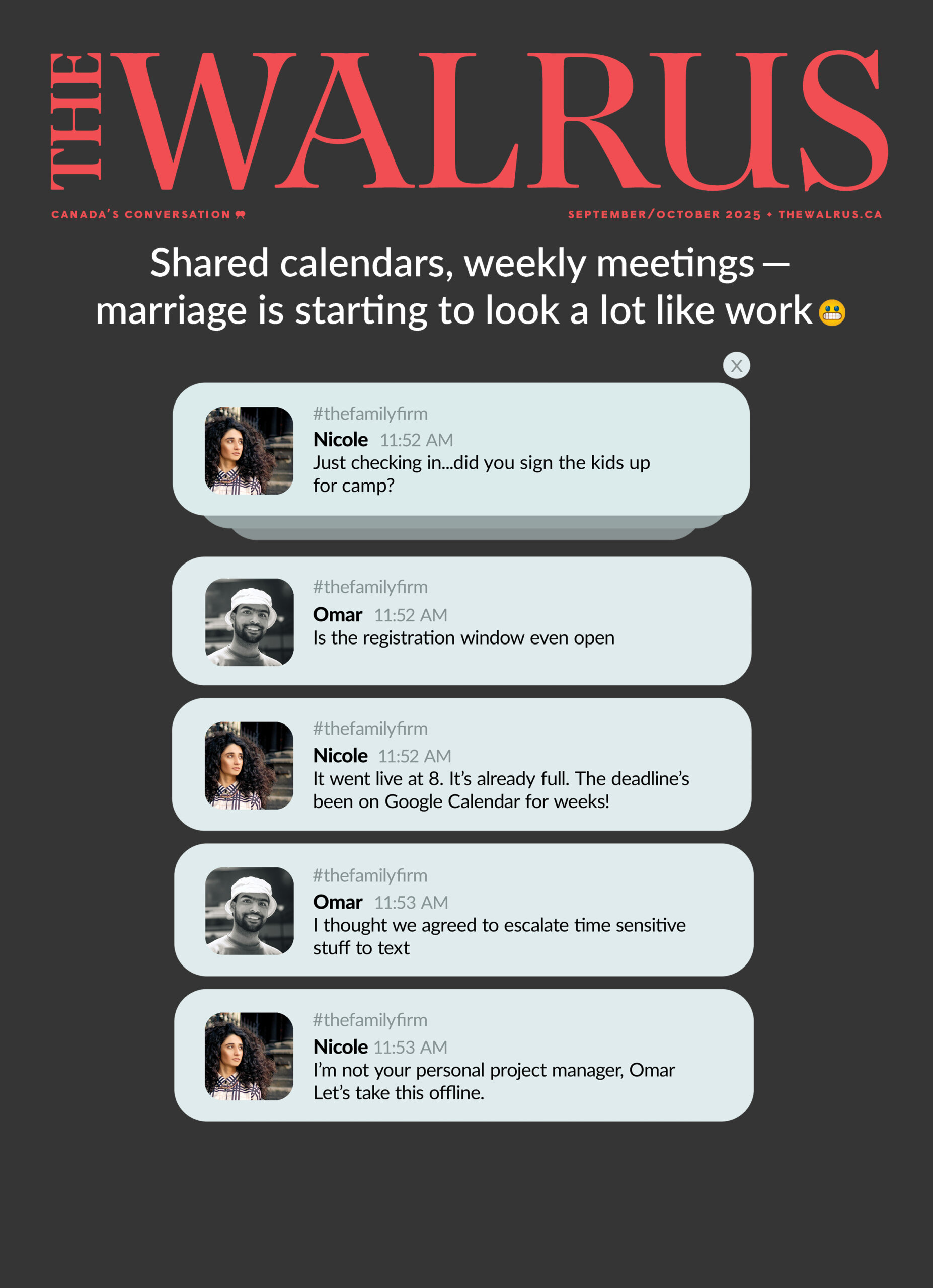
Is publishing’s obsession with sales numbers hurting publishing?
Link: https://thewalrus.ca/the-publishing-industry-has-a-gambling-problem/
Distribution and the Terror of the Backorder by Silvia Moreno-Garcia
What happens when a book is popular but there are no copies available? Silvia Moreno-Garcia discusses how distribution trends are hurting writers.
Link: https://www.patreon.com/posts/distribution-and-141904814
Productive Goblins – The December 2024 Bibliofiles edition

I went on a bit of a Christopher Buehlman binge in December, reading The Daughters’ War and then re-reading The Blacktongue Thief to compare them. Each of them is a brilliant read, as is Robert Jackson Bennett’s The Tainted Cup. I hope you like the books in this edition of the Bibliofiles as much as I did.
Fiction
The Blacktongue Thief by Christopher Buehlman

The thief Kinch finds himself sent on a mission by the Takers Guild to accompany Galva, a hardened veteran of the Goblin Wars, to a distant city that has been attacked by giants to… well, he’s not sure what he’s supposed to do there. But he knows better than to cross the Takers Guild, which seems to have its hands in everything behind the scenes.
What follows is a crazed and absolutely fantastic adventure where they make their way across a most hostile land, encountering monstrous goblins, strange magicians, a very cunning kraken, and a very peculiar blind cat. Kinch falls in love with a young witch and tries to redeem his troubled past, but nothing is what it seems in this book.
And the storytelling, oh gods, the storytelling! It’s equally dramatic, horrifying and comic, as Buehlman always hits the right notes to keep the reader reading on. Kinch is one of the best narrators to ever tell a fantasy tale, and this tale is as original as it is inventive on every single page. Every character has a great backstory and wonderful arc, the magic is weird and captivating, the action scenes are unpredictable and real, and you never know where the story will take you next.
The Blacktongue Thief is one of the best fantasy books to ever grace the genre. I can’t wait to read whatever comes next from Buehlman.
Link: https://www.goodreads.com/book/show/55077697
The Daughters’ War by Christopher Buhelman

Goblins. Guts. Glory.
The prequel to Christopher Buehlman’s absolutely magical The Blacktongue Thief, The Daughters’ War is set in the Goblin Wars that form the background of the first Blacktongue book. The Daughters’ War follows the warrior Galva from The Blacktongue Thief through the bloody conflict that nearly ended humanity at the hooked claws of the goblins. It’s a very different book, however, as it falls more into grimdark or even horror fantasy than the fantasy caper of The Blacktongue Thief. Perhaps that’s fitting for a book about humanity’s desperate struggle against a race of hungry goblins that want nothing more than to enslave and eat them.
As different as it is, though, The Daughters’ War is another brilliant read from Buehlman, who has quickly become the envy of every other writer in the field. His invention of the war corvids used to fight the goblins — fierce giant birds created through dark magic — is one of the best additions to the fantasy genre in decades. And this is the best invocation of the horrors of war since Joe Abercrombie’s Heroes. As the army of Galva and her fellow dams — female warriors as the goblins have killed most of the men — move through ravaged cities and witness the devastation of the goblin hordes, the tension grows and grows until the inevitable battle. This is no Tolkien fantasy where a handful of noble hearts prevail against the horde, though. It’s war at its ugliest and most brutal, and sometimes the good guys — or good dams — don’t win. An absolute masterpiece of the genre.
Link: https://www.goodreads.com/book/show/195790571-the-daughters-war
The Tainted Cup by Robert Jackson Bennett

Sherlock Holmes detective stories meet fantasy in this tale of murder, contagion and leviathans. The Sherlock Holmes part is played by the quirky Ana, an intellectual who doesn’t leave her quarters if she can help it and instead lets her assistant Din do all the legwork for her. Din, the narrator, is an engraver, which means he can remember everything he encounters, even if he doesn’t understand it. The two are one of the most memorable pairings in fantasy fiction since Frodo and Sam. Or maybe Frodo and Gollum….
Ana and Din are brought in to solve the mysterious death of a military officer in a mansion where he doesn’t belong, after a plant has erupted from his body and torn him apart. It turns out he is not the only one to suffer such an affliction, and the deaths lead to a breach in a fortification that keeps the strange and deadly leviathans out of the land. Their investigation takes them deep into the intrigues of the empire, and the murder mystery also becomes a political thriller and class critique, with a touch of horror thrown in.
The Tainted Cup is an incredibly layered tale, where every detail is memorable — and every detail matters. It’s one of the smartest and most intriguing fantasy books ever written. I’m looking forward to following all the future adventures of Ana and Din!
Link: https://www.goodreads.com/book/show/150247395-the-tainted-cup
Dreadful by Caitlin Rozakis

What happens when Dread Lord Gavrax wakes in his castle/lair/laboratory with no memories of who he is but with an army of goblins at his disposal, an untrustworthy second-in-command, a captured princess in the dungeon, a village full of frightened servants and a group of other dark wizards that want him to take part in a ritual to summon something even worse than them? You get a fun, cozy fantasy that keeps you guessing while never taking itself too seriously.
Dreadful is a perfect read for these troubled times. The only real drawback is you’ll likely finish it too quickly and leave yourself wanting more.
Link: https://www.goodreads.com/book/show/63051209-dreadful
Slow Productivity by Cal Newport

Are you suffering from burnout or overwhelm? Struggling to be productive in a world where pseudo-productivity seems to be the only thing that matters? (You know, looking busy rather than producing actual meaningful work.) Maybe you need to embrace slow productivity instead.
Newport looks at a handful of historical and contemporary figures to reveal their secrets to getting things done — Jane Austen, Steve Jobs, even Jewel. It all boils down to carving out periods of intense focus by eliminating distractions and other demands on your time. In short, focus on quality rather than quantity.
Of course, this is easier said than done depending on how you are trying to apply this to your life. There are a few strategies suggested here, but overall it’s more of a philosophical approach than it is a how-to guide. Newport presents the big picture of how much focus matters and then leaves it to the reader to determine how to change their lives to create a more focused approach to their projects that matter.
It’s not exactly new material — Newport has covered much of this ground before in his other books, particularly in Deep Work. But if you’re a fan of his work or you’re looking for ways out of the overwhelm cycle, then Slow Productivity should be on your reading list.
Link: https://www.goodreads.com/book/show/197773418-slow-productivity