Pulp, graves and the coddling of the American mind: The October 2026 Bibliofiles
I’m not sure but I think this month’s reads were all about escaping the present moment in one way or another.
Fiction
Pulp by Charles Bukowski
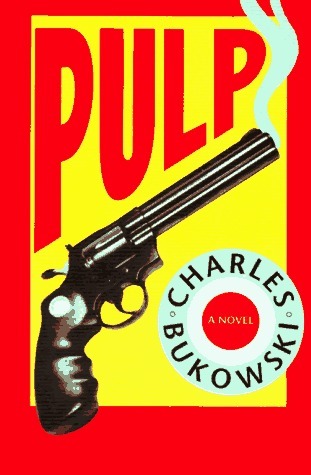
I’ve never read much Bukowski outside of his shorter pieces so I thought I’d give Pulp a try after seeing others rave about its absurdism online. I wish I’d read it before because it is as absurd as they come.
Pulp follows the tale of a bumbling private eye who’s hired to find the missing writer Celine by Lady Death. While investigating the case he encounters aliens, a cheating wife and suspicious husband, various drunks and tough guys, and the mysterious Red Sparrow — which may be a bird, a woman or something else.
Pulp mashes together hard-boiled detective fiction with sci-fi, literary fiction, hell even metafiction. But in typical Bukowski fashion, the book revels in drunken coincidences more than aspires to some sort of lyrical fusion. Clues lead nowhere or are forgotten, the plot becomes a labyrinth of bizarro incidents and the detective never really solves anything.
As strange and crazed as the book is, though, it has an emotional heartbeat running through it and is quietly elegiac — maybe because Bukowski was dying as he wrote the book. It’s a mad world, but as the narrator of Pulp says: “Insanity is comparative. Who sets the norm?”
Oh Grave, Thy Victory by KJ Parker

A researcher in a fantasy land finds a cure for death — and a theological surprise!
Link: https://beneath-ceaseless-skies.com/stories/oh-grave-thy-victory/
An Oral History of the Schooner Key Invasion by Alex Irvine
An oral history of a monster invasion from the Outer Darkness at a tourist resort at Florida’s Schooner Key, narrowly defeated by a college soccer team, a Christmas tree and a forgotten occult grimoire. Absolutely magical in a mind-melting sort of way.
Link: https://www.lightspeedmagazine.com/fiction/an-oral-history-of-the-schooner-key-invasion/
Non-fiction
The Coddling of the American Mind by Greg Lukianoff and Jonathan Haidt
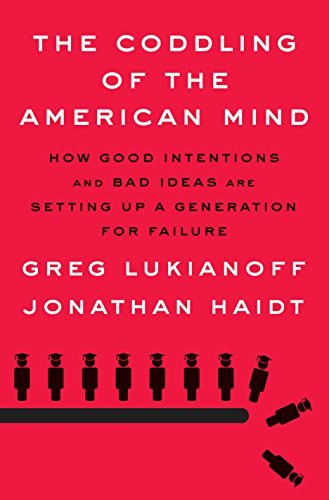
The Coddling of the American Mind by Greg Lukianoff and Jonathan Haidt offers a provocative and no doubt polarizing premise that well-intended efforts to protect young people from harm have wound up doing the exact opposite.
The book presents three “Great Untruths” as a sort of organizing principle: fragility, emotional reasoning and us-versus-them thinking. It focuses on a number of controversial campus incidents in the U.S. to demonstrate how concepts such as safetyism, trauma, microaggression, allyship and more have led to increasingly entrenched tribalism, intolerance and persecution, particularly among those identified as left leaning. The authors don’t present these trends as happening in a vacuum but instead link them to childhood trends such as anxious parenting, device use and the decline of free play.
The Coddling of the American Mind is not just critique, though. It calls for a renewed emphasis on intellectual humility, the protection of free speech, the encouragement of antifragility, greater openness in critical thinking and more. Most of the recommendations can be boiled down to common sense, such as reversing the shift of victimhood from impact to intent and assuming charitable intentions from others rather than automatically perceiving insult or harm regardless of intention.
Whether you agree with the book’s conclusions or not, The Coddling of the American Mind will likely make you think deeper about free expression, resilience and long-term outcomes of safetyism.
Lean Out by Tara Henley
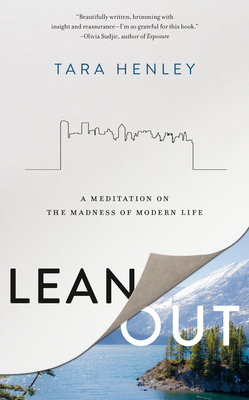
Tara Henley travelled the world as a journalist, living what appeared to be a dream life. But it all came apart at a newsroom desk in Vancouver when she started having chest pains. Lean Out is her chronicle of a life that will be familiar to many: hustling to build your career in cities full of strangers and unaffordable housing only to collapse into an abyss of burnout, alone and uncertain of what to do next. And let’s not even get started on the toxic mess of the Internet and social media.
For Henley, next turned out to be trying to find a different model of life. She hikes West Coast parks and travels to remote areas in BC and experiences an unplugged life that makes her entire being “uncoil” (similar to the Japanese notion of shinrin-yoku or forest bathing).
Along the way she meets other people that have walked away from modern life to create different kinds of lives for themselves: living in cabins and farms far away from cities, opening eccentric cafes in Tofino, or finding ways to live as inexpensively as possible within cities to escape the consumerist grind.
Henley intersperses all this with moments from her family’s past, demonstrating how life hasn’t always been like this — although she’s careful to point out the problems with the past as well.
Henley ends up creating a new kind of community for herself and returned to the newsroom, but she does it on her own terms. And in doing so seems to have created a life actually worth living.
Nonfiction is struggling. Publishers are making it worse by Tajja Isen
Is the collapse of non-fiction just a case of people not wanting to read the first draft of history as they are living it? Or are publishers creating a perfect storm?
Link: https://thewalrus.ca/nonfiction-is-struggling-publishers-are-making-it-worse/
Posted on October 28, 2026, in Journal and tagged Bibliofiles, Journal. Bookmark the permalink. Leave a comment.





Leave a comment
Comments 0