Author Archives: Peter Darbyshire
Win a free copy of The Wonder Lands War

The amazing crew at 49th Shelf are hosting a giveaway of the latest book in my Cross series of supernatural thrillers, The Wonder Lands War. Visit 49thshelf.com/Giveaways for a chance to win one of three copies of The Wonder Lands War.
Bonus: You can also enter to win other books by an amazing assortment of writers!
The giveaway period ends Nov. 1, so enter now!
A supernatural giveaway!
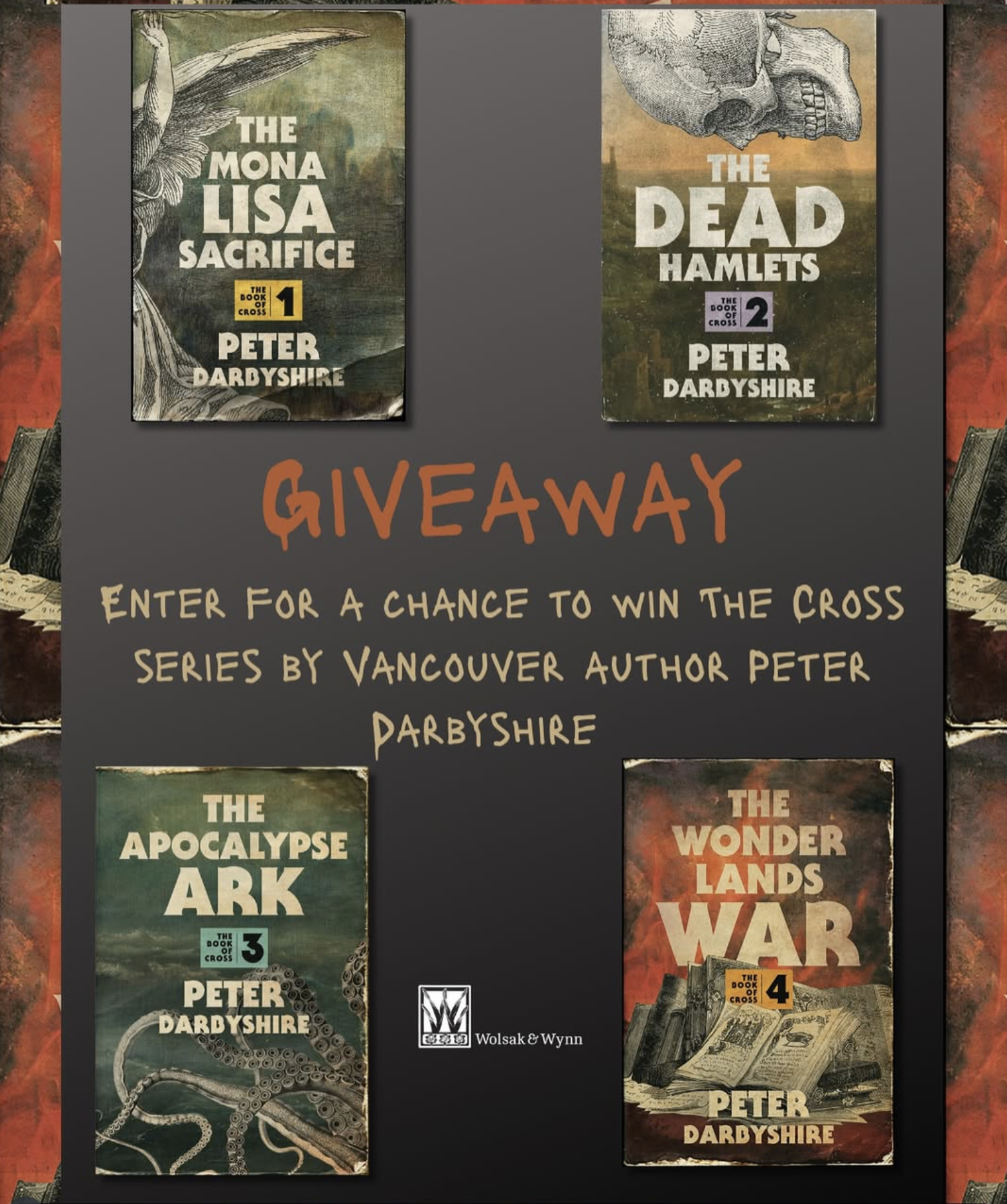
Wolsak and Wynn, the publisher of my Cross series of supernatural thrillers, is giving away the entire series! To enter, follow them on Instagram and share the giveaway post.
Wolsak and Wynn link: https://www.instagram.com/wolsakandwynn/
Giveaway post: https://www.instagram.com/p/DQU_RYSj6bv/
Magical Motels and Labyrinthian Libraries: The October 2025 Bibliofiles

This month saw some monstrous reads: supernatural shenanigans on spaceships, goblin libraries, medieval massacres and insider tales of the publishing industry. Enjoy?
Fiction
Enjoy Your Stay at the Shamrock Motel by Andrew Kaufman

The Shamrock Motel is a magical place that can only be found by those who are lost — both geographically and emotionally. The tales in this collection follow an eccentric cast of characters who all reach some crossroads in their life and end up checking in to the Shamrock Motel.
That’s when things get weird.
A woman embarks on an affair with a bear, a child lives inside a piece of furniture, a man’s penis turns into an extension cord, a woman is confined and cleaned by hundreds of smaller women and so on. It’s as if Schitt’s Creek was directed by David Lynch as an X-rated movie.
Enjoy Your Stay at the Shamrock Motel probably won’t appeal to those who take comfort in a Best Western. But those who have a little more eccentric tastes will never want to check out.
Link: https://www.goodreads.com/book/show/216838651-enjoy-your-stay-at-the-shamrock-motel
Of Monsters and Mainframes by Barbara Truelove

Of Monsters and Mainframes is a fantastic mashup of space opera, quirky AIs and pulp horror — like if Murderbot had a dream of Halloween.
The tale follows the voyages of Demeter, a sentient spaceship that hauls passengers around the galaxy. But something goes wrong on one of Demeter’s voyages and hundreds of passengers die. Only Demeter knows the truth — the passengers were killed by Dracula!
If that’s not bad enough, Demeter’s next voyage features a werewolf running amok and killing most of the passengers. And the voyage after that has a strange bunch of cultists hijack the ship in an effort to find their sleeping god. And after that… well, you get the idea.
If it sounds absurd, that’s because it is. Of Monsters and Mainframes delights in playing genres against each other — science vs. supernatural, cold corporate bureaucracies vs. emotional AIs, and so on. Yet it’s also an intriguing mystery about consciousness — what can a ship actually perceive, and what if the AI is delusional — as well a warm found family tale.
If you’re looking for a little supernatural in your sci-fi, then this one is a monstrously good read!
Link: https://www.goodreads.com/book/show/216540053-of-monsters-and-mainframes
Between Two Fires by Christopher Buehlman
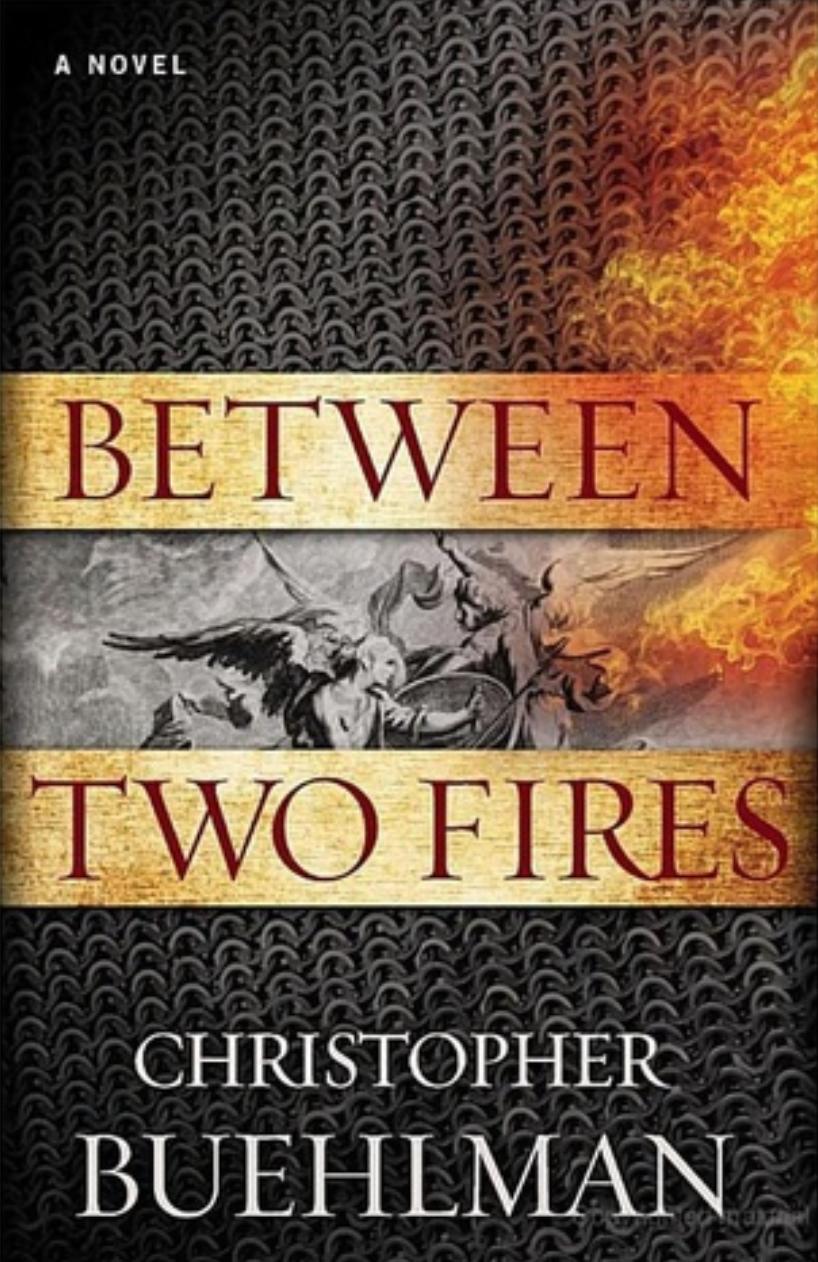
A lyrical nightmare of a tale that follows a disgraced knight wandering through an apocalyptic, plague-ravaged Europe that is populated with genuine monsters and demons — and angels?
Buehlman is one of the most creative and original fantasy writers of this generation and perhaps ever. While he may be best known for The Blacktongue Thief and its prequel, The Daughters War, Between Two Fires is a masterpiece of psychological horror and visionary madness.
Think The Road meets Hieronymous Bosch and you’ll have an idea of what lurks between the covers of this book, waiting for you.
Link: https://www.goodreads.com/book/show/13543121-between-two-fires
A Random Walk Through the Goblin Library by Chris Willrich

If your ideal fantasy tale is a magically written, literary labyrinth infused with Calvino, Borges, Lovecraft, necromancy, demons and supernatural libraries, then check out “A Random Walk Through the Goblin Library” by Chris Willrich.
Link: https://www.beneath-ceaseless-skies.com/stories/a-random-walk-through-the-goblin-library/
Nonfiction
The Publishing Industry Has a Gambling Problem by Tajja Isen
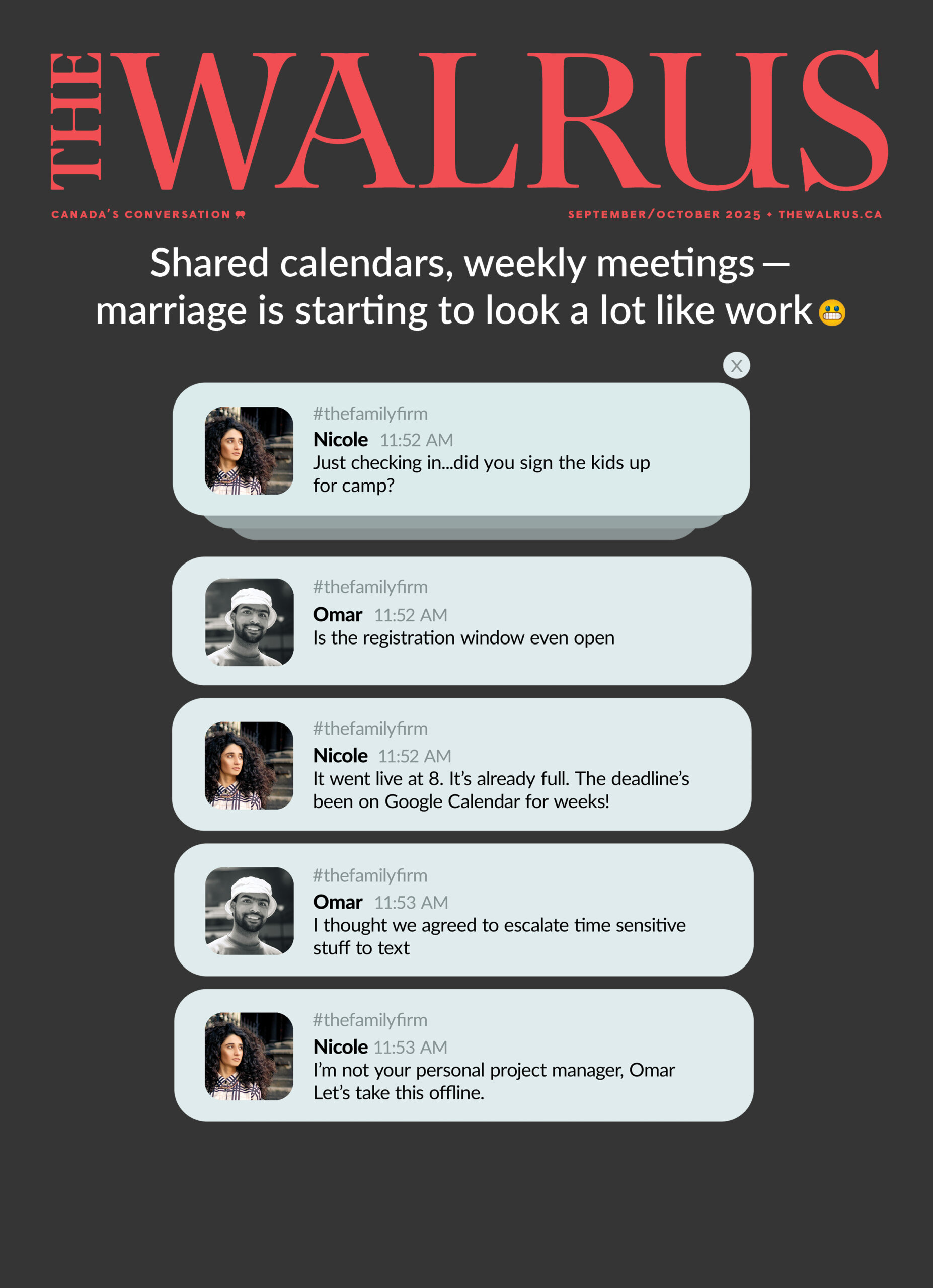
Is publishing’s obsession with sales numbers hurting publishing?
Link: https://thewalrus.ca/the-publishing-industry-has-a-gambling-problem/
Distribution and the Terror of the Backorder by Silvia Moreno-Garcia
What happens when a book is popular but there are no copies available? Silvia Moreno-Garcia discusses how distribution trends are hurting writers.
Link: https://www.patreon.com/posts/distribution-and-141904814
Why Access Copyright matters
I recently received my Access Copyright payment for this year, and it’s an important reminder of how critical it is that creators receive compensation for their work. (Scowls in the general direction of AI companies that rip off writers.)
Access Copyright is another great Canadian program that ensures writers and publishers are compensated for their work being copied.
How it works
Access Copyright negotiates blanket licences with institutions that typically make copies of books, poems, articles, etc. to allow for such copying in return for compensation which it then distributes to writers and publishers.
Experience has proven that without such licences creators rarely get paid for use of their work, as those doing the copying don’t usually go through the effort of tracking down the rights holders and asking permission to copy, let alone offering compensation.
Why it matters
Canadian publishing is chronically underfunded and most publishers survive season to season. Canadian writers fare no better, with most authors earning low advances and having to cobble together an existence of different income streams.
The Canadian bookselling marketplace has largely been colonized by American culture over the past few decades, and it’s commonly estimated that Canadian authors only account for around 5% of Canadian book sales. In an environment like this, every bit of income matters to struggling creators.
The simple math of the situation is that if creators aren’t paid for their work, they’ll need to find other work to survive and that means they’ll be creating less. Each dollar invested in their support is a dollar invested in a new creation.
Access Copyright licences also protect the institutions behind the copying from infringement. There’s little danger of them being sued if they’re paying for the right to copy, and those doing the copying can do so knowing it’s legal and ethical.
Thanks
All of this is to say many thanks to Access Copyright and the people that keep it running for all they do to protect and support Canadian culture!
Books to read when the veil is thin

I’m thrilled to see my new Cross book, The Wonder Lands War, is included on the Books to Read When the Veil Is Thin list at 49th Shelf! Some truly spooky company!
The Wonder Lands War is a spooky must-read!

I’m thrilled to have my new Cross book, The Wonder Lands War, included in this list of “9 Spooky Must-Read Books by Canadian Authors.” Watch for The Wonder Lands War soon!
The Write Life: How’s your focus?
You have an idea for your new book or story, you’ve figured out the genre, you’ve created an outline, you’re sitting at your desk ready to go… now what?
Maybe make some coffee and respond to those emails so your mind is clear before you start typing? Or take one last scan of the news so you know whether your new work is completely out of touch or not? Or clean your home? Or or or….
Before you actually start writing, you need to create an environment where you can focus on the writing and nothing else. Actually, you’re going to need to create a few environments.
First, protect your physical space from distractions. Lock yourself in a room alone if you are able. Put a “do not disturb” or “ask someone else” sign on the door. I know a writer who puts a sign on her office door that simply says “no.” Close the blinds if the world outside is too distracting. Turn music off or on for the same reasons. Block time on your calendars so no one interrupts you. In short, make sure there is nothing in your physical world pulling you away from your writing world.
Next, find ways to prevent digital distractions. They are particularly challenging as most apps and services are designed to compete for your attention so you check in multiple times a day. This constant stimulation is kryptonite for your focus. Turn on your devices’ Do Not Disturb options and use website blockers if you can’t resist temptation. (No judgement – we’ve all been there.) Some writers I know only write on devices not connected to the Internet to manage this. Others use different methodologies such as the Pomodoro technique, where you use a timer to write for 25 minutes, take a short break, then write for another 25 minutes. There are lots of apps out there that will help break your addiction to other apps in this way.
Embrace digital minimalism. Audit your apps regularly and remove everything that doesn’t serve your goals and distracts you from writing. Too often we end up serving the apps rather than the other way around, so it’s good to check in on your relationships with your apps from time to time. Cal Newport has a pretty good book on this called Digital Minimalism that every writer should read.
Now that you’ve removed distractions as much as possible, try to write at the same time every day for the same amount of time. Write in the same place if that works for you, or change it up if you’re more the type that needs a bit of variety. A habit like this will reinforce itself over time and gradually become unconscious.
All of these actions are designed to get you into the flow state, where the writing just happens. It does take work and structure, though. Like meditation, this clarity of mind doesn’t come naturally but requires a lot of practice.
Save the “shallow work” for the end of the day or for scheduled breaks. (Cal Newport identifies a useful distinction between deep work such as writing and shallow work such as responding to emails, paying bills, etc. Check out his book Deep Work for more on this.)
End the workday with something that allows you to easily slip back into focus state the next day. For instance, end halfway through a chapter where you are excited to write the next scene. This will make it easier to sit down and start writing again.
Your focus is like a muscle. The more you regularly train it, the stronger it will get.
Now stop reading this and get back to writing.
Related
The Wonder Lands War cover reveal
Coming in October: The Wonder Lands War, the fourth book in the Cross series of supernatural thrillers. Cross’s search for the real Alice of the Wonderland tales takes him through a world of secret books, hidden libraries, dangerous cemeteries — and to the Wonder Lands, a dangerous and decaying faerie realm.
Along the way Cross encounters magical librarians, scheming angels, immortal priests and more. All of your favourite characters are back: Cross, Morgana and the faerie court, the undead Amelia, Mona Lisa and Judas — and, of course, Alice.
The Wonder Lands War is a tale of loss and mourning yet also a love letter to literature and the sanctuary it provides, even in the darkest times.
The Write Life: Plotting or Pantsing?
A question I often get asked in interviews is whether I’m a plotter or a pantser. That is, do I outline a book or story in advance or do I make it up as I go?
My answer is yes.
I used to be a pantser when I first began writing, but I’ve become more of a plotter with each book I publish. When you’re working with more complex stories, it’s easy to write yourself into a corner when you’re pantsing it. Plotting ahead of time can stop you from going down some of those dead ends. Plus, if you’re writing books in a series, such as my Cross supernatural thrillers, then you really have to think about structure and how to fit the tale into a particular fictional universe. Your future self will thank you if you take the time to figure things out now rather than just wing it.
Plotting is particularly important for mapping out the emotional storylines of a work — knowing where to direct emotional beats, where to insert your turns and your action moments. If the book doesn’t have an emotional rhythm, its characters and their world can easily become emotionally adrift. And we have enough emotionally adrift people in the world!
That said, you don’t want to plot too much. I find that if you work out every little detail in advance, you leave yourself no room for creativity and you will likely lose interest in the project before completing it. Much of the magic of writing is from those moments where the characters lead you away from your story and to their story instead. Note that this is also where much of the frustration happens in writing.
I recommend creating an outline that has your physical plot (where the characters go, what action takes place) combined with an emotional plot (the moments where the characters’ worlds are turned upside down, the dark nights of the soul).
A good plotter will also think about the side plots for secondary characters, as it’s a more engaging tale when they have a developed life as well. Often when you start working out their stories, you’ll find ways they change the main story. Everyone gets a narrative arc!
Plotting can give a writer a road map when writing but hopefully also leave some room for creative detours. And always remember that a roadblock during the writing process can just be an excuse to go back and update that road map.
There are many different recommended models out there for plotters. I suggest trying them all to become familiar with them and then adapting what works for you and your style. For instance I’ve done workshops on Save the Cat, the Hero’s Journey and the Heroine’s Journey, to name a few. I don’t follow their models religiously — who follows anything religiously in the 21st century? — but I do incorporate elements from each in my own writing. Hopefully it’s all made me a better writer.
Full disclosure: I totally pantsed this post.
World Suicide Prevention Day: You can change your normal
One of the best ways of preventing suicides may be by talking about just how many people have suicidal thoughts. The older I get, the more people I encounter who have struggled with suicidal ideation at one point or another. Some are in their youth and can’t see a life path for themselves, some are mid-life people grappling with too many responsibilities, others are nearing or in old age and are just fed up with life. It’s incredibly common.
So full disclosure: I’ve been one of those people at various times in my life.
When I was young, I constantly battled with suicidal tendencies and came close to ending things on a few occasions. I more or less lived in a constant state of depression and thought that there was just something chemically wrong with me. It often seemed like suicide was an easier choice than simply existing.
Things really reached their crisis point around the time I started university. I availed myself of the free counselling at the University of Western Ontario and it genuinely saved my life. The counsellor helped me to understand I wasn’t chemically imbalanced but that there were things going on in my environment that had contributed to my mindset. She helped me learn different ways of thinking and how to escape negative mental cycles. I’ll be forever grateful for that intervention.
A significant reason I persisted was because of family. I couldn’t abandon people I was responsible for, whose lives I might irrevocably damage through such an act. Of course, responsibility leads to its own stresses. Enough stresses without an outlet or relief and eventually it will all catch up to you.
That’s where the other reason comes in: my dream of becoming a writer. I didn’t want to leave this world until I had realized my dreams of publishing a few stories and maybe even a book one day. And now here I am. Thanks to all of you who have supported me in my writing career over the years. I am still here in large part to you.
I’ve gone to counselling often throughout my life, and I’ve almost always found it helpful to learn tools to cope with suicidal thoughts and other mental challenges. Hello, anxiety! The basic lesson has been more or less the same with each one: You can change your normal. The tools have varied — stoicism, mindfulness, gratitude, meditation, exercise, friendships — but they have always been about changing my mental state from a negative one to a perspective that sees the good in the world and in my life.
I still have suicidal thoughts from time to time even now, but they are very minor and increasingly rare. They’re more of a reflex left over from my youth than a serious consideration. And I have the tools to deal with them now, and the gratitude for all the good things that have happened in my life. So now my suicidal impulses tend to go something along these lines: “This situation is terrible and I can’t bear it. I should just… nah, this will pass as it always does. Those hard moments have made me what I am today and I’ve always been grateful for them afterward. This will be the same. Now let’s work on getting through this to all the great moments that are going to come next!”
If you or someone you know is struggling with suicidal thoughts, make sure you reach out for whatever help is available: counsellors, family, friends, help lines, colleagues, whatever.
Remember, you are loved. And you can change your normal.





 peter darbyshire