Category Archives: Journal
The end of the world now 50% off!

My publisher Wolsak and Wynn is having a backlist blowout and offering selected books at 50% off for the month of July.
Has the World Ended Yet?, my collection of apocalyptic tales, is included in the blowout. The discount is applied at checkout. Get Has the World Ended Yet? today at a discount before the world actually ends!
Link: https://bookstore.wolsakandwynn.ca/products/has-the-world-ended-yet
Ebook use in Canada
Booknet Canada has released their latest report on ebook use in Canada, which always seems to be a bit contentious in writing and publishing circles.
I’m particularly interested in the subject of ebooks as my reading has been about 99% ebook for more than a decade now. But the report shows I am certainly not in the majority of readers when it comes to loving ebooks.
Some key takeaways from 2025:
- Nearly 14% of all books purchased by Canadians were ebooks.
- 71% of Canadians reported reading an ebook.
- 34% of all Canadian book buyers bought ebooks.
- 29% of all Canadian book borrowers borrowed ebooks.
- Price was often a reason cited for ebook purchases or borrows.
- Convenience and availability of ebooks were also factors.
Overall it seems ebook usage has been holding steady for the last few years. I suspect the ebook share may grow in the future, for a number of reasons:
- The growth of self-publishing, which is heavily driven by ebooks and which accounts for most new books published now.
- The demise of physical bookstores. I don’t think we’ll see much more growth with chain bookstores. There do seem to be more indies popping up, but their selection is typically smaller due to their size and they tend to serve specific niche audiences.
- Tariffs and related political/economic uncertainty. This has already been affecting the publishing industry and making it challenging to ship books into the U.S. etc.
All of these factors suggest to me that ebooks will see a boost in usage because it will just be easier to purchase books that way for many readers.
On the other hand, physical special editions are certainly growing in popularity with services like OwlCrate and Broken Binding, so perhaps there will be a renewed interest in physical books as cultural objects or fetish items. Time will tell.
Read the full report here: https://www.booknetcanada.ca/scrolling-stories-ebook-use-in-canada-2025
New story coming in On Spec 2026
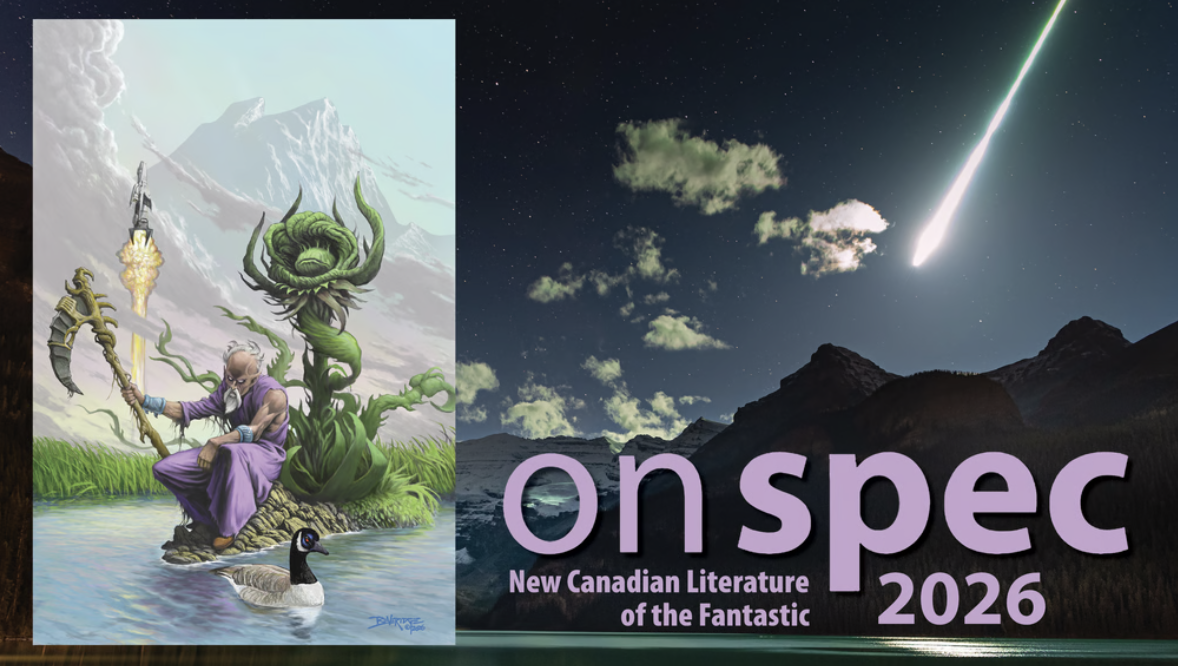
I’m deeply honoured to have a new story selected for On Spec 2026: New Canadian Literature of the Fantastic. “The Heavy Light of the Drowned” is a mix of horror and weird lit set in a small Canadian fishing village. It’s special to have it included in On Spec for a number of reasons:
- This is the first incarnation of the new On Spec run by Edward Willett, who took over On Spec after the long-running Canadian speculative journal published its last issue. It’s wonderful to see On Spec back!
- My first story sale ever was to On Spec, a horror story published many years ago. So this one feels like coming home to me.
- I’m honoured to be included in such an amazing lineup of writers!
More to come.
The Secret Library of Hell: New story out in Black Cat Weekly
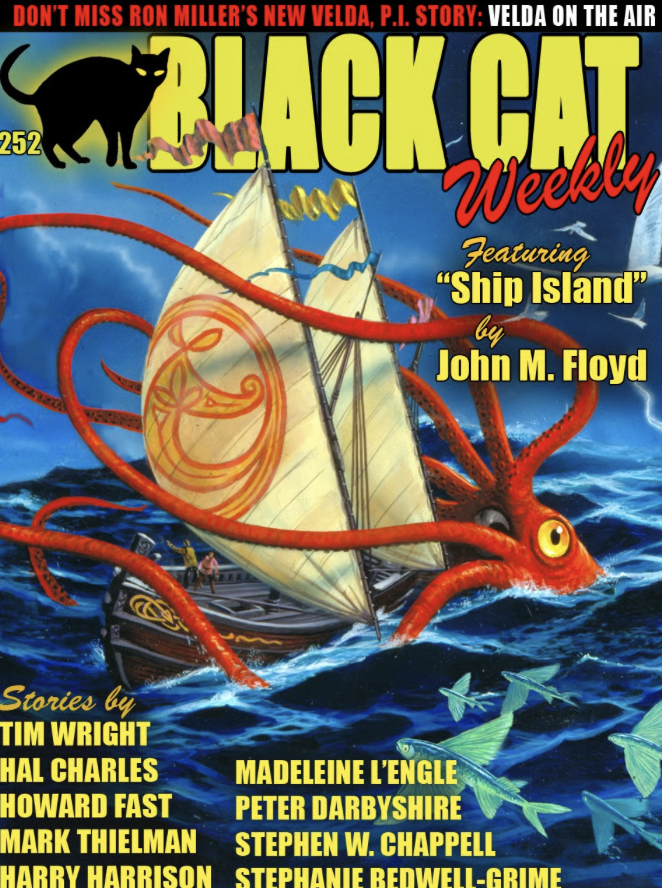
My story “The Secret Library of Hell” is now out in Black Cat Weekly! Follow the adventures of the demon Molox and his imp Malachi as they visit the Secret Library of Hell and find themselves in a literary mystery that could transform the internal realm.
Featuring:
- Demons
- Angels
- Ghosts
- Magic books
- And more!
The sorry state of everything: The June 2026 Bibliofiles
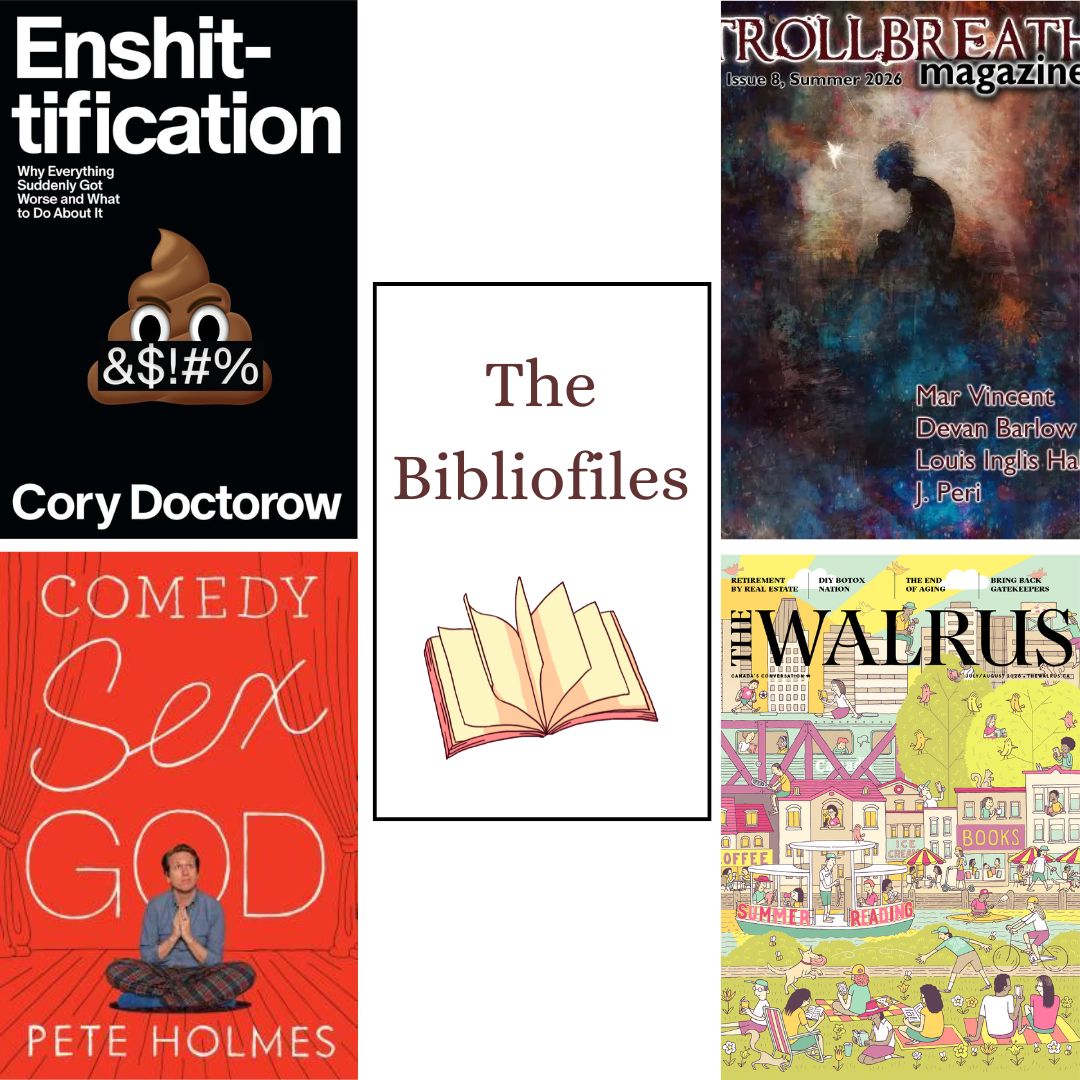
Lately I’ve been reading about the sorry state of:
- tech
- books coverage
- the World Cup
- weird lit
- publishing tax credits
- and dead gods
That’s what passes for summer reading with me!
Fiction
Godfall by Bruno Lombardi
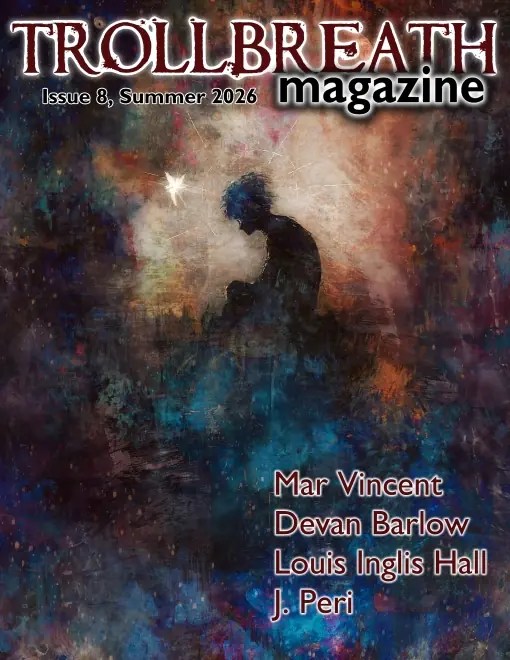
Imagine a whalefall, only with the body of a god.
When a god falls screaming from the sky and comes to rest in the depths of the sea, creatures of all sorts come to scavenge its body — including the people that live nearby. But giving up the fishing life to scavenge the remains of a god comes at a price.
Link: https://magazine.trollbreath.com/godfall/
Non-fiction
Enshittification by Cory Doctorow

We’ve all had a feeling that the Internet and other new technologies have been getting worse for some time, perhaps even since the moment they were launched. Cory Doctrow has given this a name — enshittification — and says it is intentional.
Doctorow lists case after case of tech companies that offered a useful product, then slowly made it worse for users to extract the maximum value possible, until the product itself has been transformed into something terrible and often bad for its once enthusiastic fan base. Apple, Facebook, Netflix, X (formerly known as Twitter) — they’re all indicted here and rightfully so. Doctorow isn’t wrong in his claims.
This isn’t just a catalog of companies gone bad, however. Doctorow suggests much more is at stake if we don’t take action to push back against such enshittification. Once again, he’s correct. If the companies know we’ll roll over and take whatever abuse they have to offer, then why would they change their ways?
Doctorow pushes for a number of actions, all of which prioritize consumer rights. But really, the best action may be to rethink our relationships with tech altogether, such as many are trying to do with AI at the moment. It’s useful here to consider the proposals of another thinker on the subject, Cal Newport, who in his book Digital Minimalism argues we have become subservient to new technologies and we need to reverse that relationship. To do so, we must consciously determine what we need from such products and use them only in ways that serve us rather than the other way around.
Both Doctorow and Newport may be unrealistically hopeful in their views that we can prevent or at least navigate the enshittification of well, everything, but where will we end up if we don’t at least try?
Comedy Sex God by Pete Holmes

Pete Holmes takes you through the history of his life in Comedy Sex God, and the title pretty much reflects it all. Holmes grapples with faith in God when his marriage falls apart, then finds a path toward a new sort of spiritualism and love as his comedy career takes off. It’s a thoughtful — and yes, comic — account of his struggle to make meaning of his life. While it may mainly be for fans of his comedy, it’s also an intriguing read for anyone who is looking for ways to find God in the world itself outside of the traditional dogma of religions.
Related reads would include Nick Cave’s Faith, Hope and Carnage and Christian Wiman’s My Bright Abyss.
While others downsize literary coverage into oblivion, we’re launching a books section by Carmine Starnino
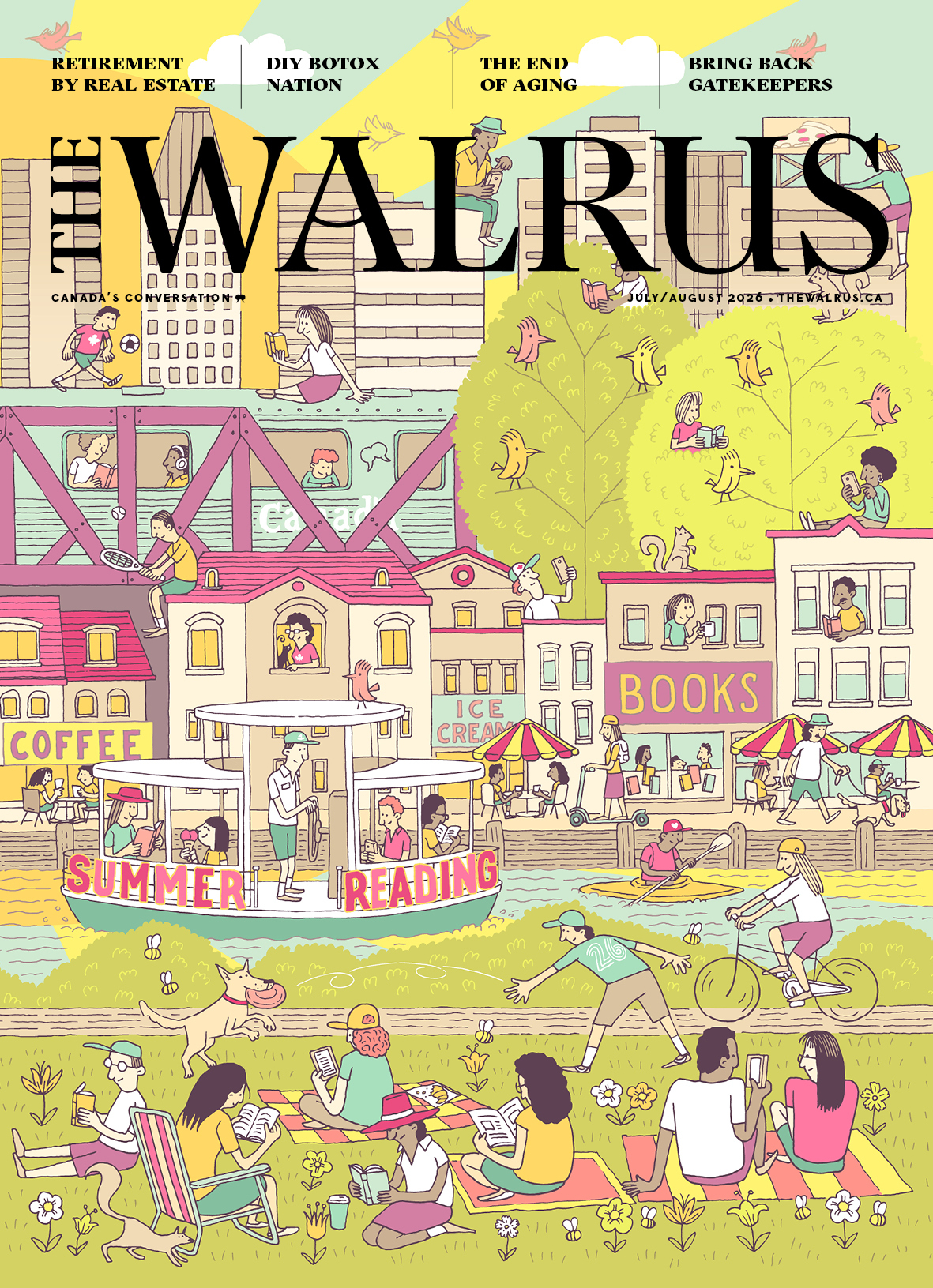
The Walrus is trying to resurrect the books section of opinion and literary feuding.
“I want the section to not just point to the latest interesting reads. I want it to be the spearpoint of a broader return to a kind of consensus-testing commentary that is harder and harder to find. I want more reassessments, more polemics, more manifestos, more feuding. I want the spectacle of people publicly wrestling with ideas they care about too much. I want everyone, at some point, to end up a bit offended.”
I’m not one for literary feuds but I do like a good manifesto! We’ll see how this turns out.
The World Cup is an economic sinkhole by Moshe Lander
I’ve somehow found myself to be a middle-aged soccer dad despite never being an athlete in my life, so I was initially excited about the World Cup coming to Vancouver.
Until I saw the ticket prices, of course. And realized how much it was costing the city and country.
Is the World Cup a good investment? Maclean’s certainly doesn’t think so.
Time will tell, I suppose.
Link: https://macleans.ca/economy/the-world-cup-is-an-economic-sinkhole/
Bored of the Swords: The Rebirth of Sword & Sorcery and the Death of the Weird by Cynthia Ward
Make sword & sorcery weird again.
“I began reading and writing S&S mid-century because, damn, was it weird! S&S prose and comics had barbarians and Amazons and nomads. Sorcerers and witches and priests. Mercenaries and pirates and thieves. Demons and gods and dinosaurs. Peasants and princesses and kings. Elves and dwarves and mer-folk. Bards and spear-women and serial killers. The disabled and the maimed and the accursed. And any of these characters could have a starring role, and many of the stars occupied more than one category (most famously, Elric of Melniboné, the disabled nonhuman prince granted strength by a demonic sword, and Conan of Cimmeria, barbarian, thief, mercenary, pirate, king, and more).”
Link: https://reactormag.com/the-rebirth-of-sword-and-sorcery-and-the-death-of-the-weird/
The case for a federal publishing tax credit by Marc Cote
Does Canada need a federal tax credit program to support Canadian book publishers? If Canadians want to read Canadian stories, then something needs to be done.
Link: https://quillandquire.com/omni/opinion-the-case-for-a-federal-publishing-tax-credit/
Darbyshire of the Metal Balls
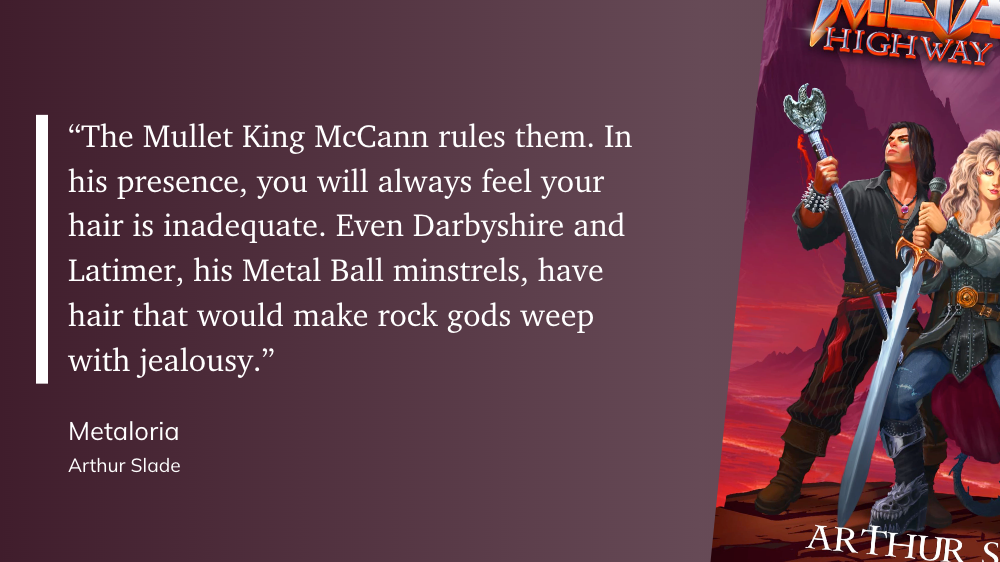
What do you have to do to get mentioned in someone’s book?
In my case, it’s play D&D with them. And maybe share a love for metal music as well.
I recently found myself mentioned in Arthur Slade’s latest novel, Metaloria: Highway to Hades, about a group of heavy metal concert-goers who find themselves transported mid-concert to the realm of Metaloria. Think D&D’s Forgotten Realms mixed with metal songs and bands in a LitRPG style and you’ll have the idea. It’s a death trap ruled over by an evil wizard, and our stalwart metal fans must level up their metal health and metal skills to survive. I’m pretty sure I had this fantasy multiple times in my teen years….
I was granted this VIP status thanks to having played D&D online with Slade and a few others writers a number of years ago. Apparently Slade never forgave me for the kobold incident, so I’ve been immortalized as a “Metal Ball minstrel” in the court of the “Mullet King McCann.” (That’s our DM, James McCann!)
I got a chuckle out of the whole thing because it’s a clever way to publicize your new book and get people talking about it. And of course I bought Metaloria!
But it also got me thinking about writing and publishing in the 21st century. How do you make your work stand out in a world where there are more books than ever, and AI is flooding every category like some tsunami of madness? How do you create a genuine literary community without drowning in all the slop?
Maybe community is in fact the answer. Perhaps readers should more actively “shop local” and support the community they know, much like many of us are starting to do in other areas of our lives. I know I’m certainly trying to read and support more Canadian writers — and not just those who mention me in their books! We all know there is far too much to read — or watch, or listen to, etc. — in our lifetimes. We have reached a point where we must actively decide where we are going to place our attention and limited time.
Seen in this light, Metaloria’s name dropping isn’t so much a marketing gimmick as it is an embrace of Slade’s cultural community. What better way to acknowledge your local writers than to put them in a book? Sure, it’s quirky and funny — but it’s also somehow charmingly authentic and meaningful in an increasingly unreal time.
Anyway, now I’ve got an idea for a new tale about killer kobolds who follow the evil Count Slade….
A Howling good interview
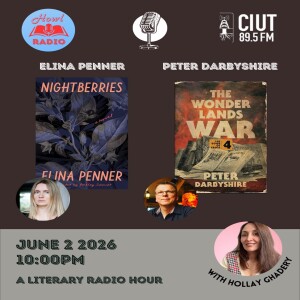
I recently had the pleasure of talking to HOWL radio about my latest book, The Wonder Lands War. The discussion covered such topics as
- The impact of Dungeons & Dragons on my writing
- The challenges of tying together story threads when you haven’t thought things through all the way
- How to bring a reader into a book mid-series
- What happens when characters find their own paths in books
- Bonus: I read from The Wonder Lands War!
Check it out at https://howlciut.podbean.com/e/howl-tuesday-june-2-2026/
(The interview starts around the 4 minute mark.)
New stories on the way
I’ve had a lovely month on the writing front and have signed contracts to publish three new stories in some of my favourite magazines: Beneath Ceaseless Skies, Trollbreath and Black Cat Weekly.
Check out the magazines today and read some of the great stories published in them while you wait for my new tales.
Love, death and angels
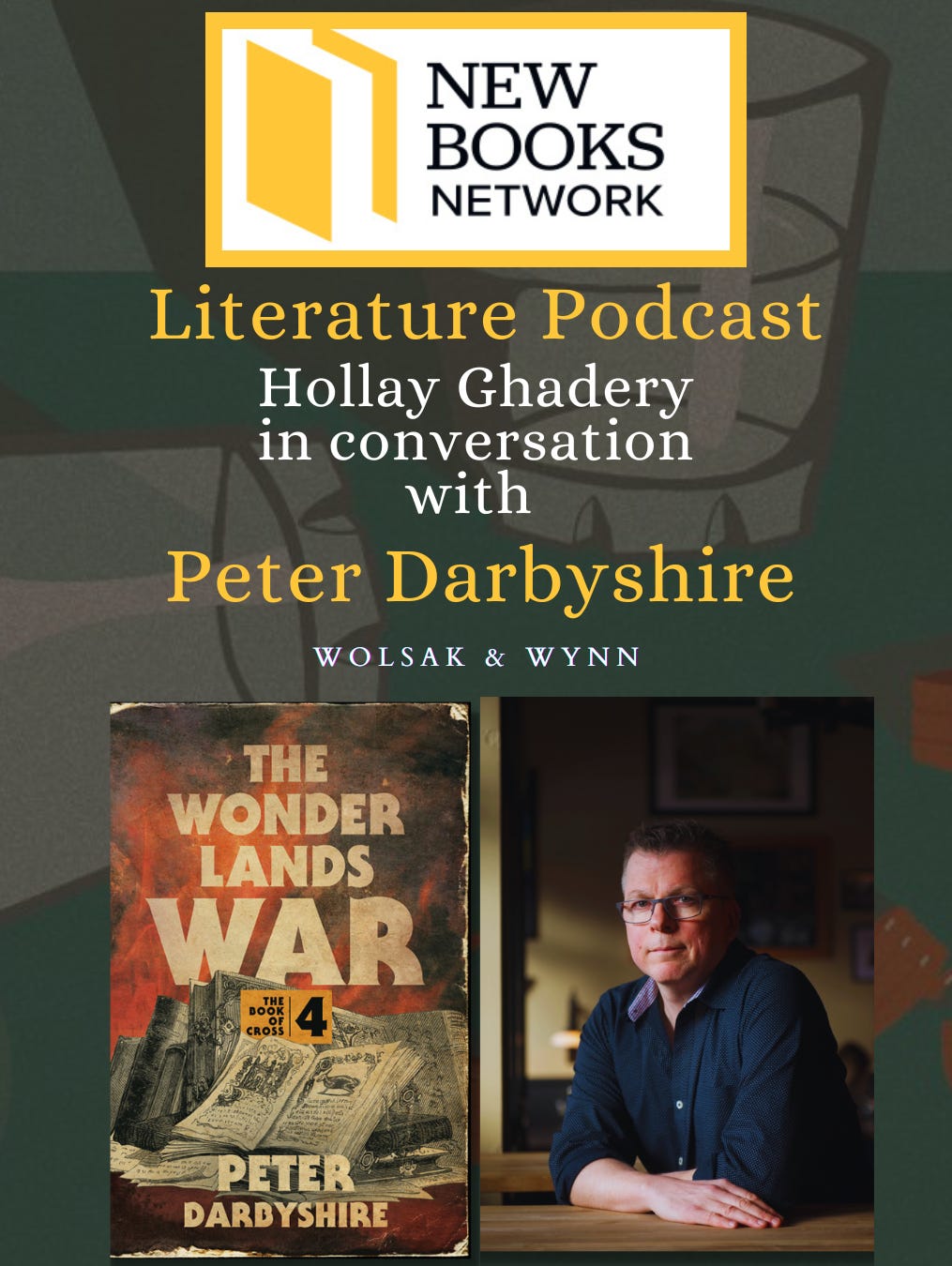
I had a lovely time talking to Hollay Ghadery for the New Books Network about The Wonder Lands War, my fourth Cross novel. We discussed the origins of Cross, his relationship with Alice, the importance of putting some magic back in our world and love and loss. Give it a listen at https://newbooksnetwork.com/the-wonder-lands-war!
We used to live in Heaven: The April 2026 Bibliofiles
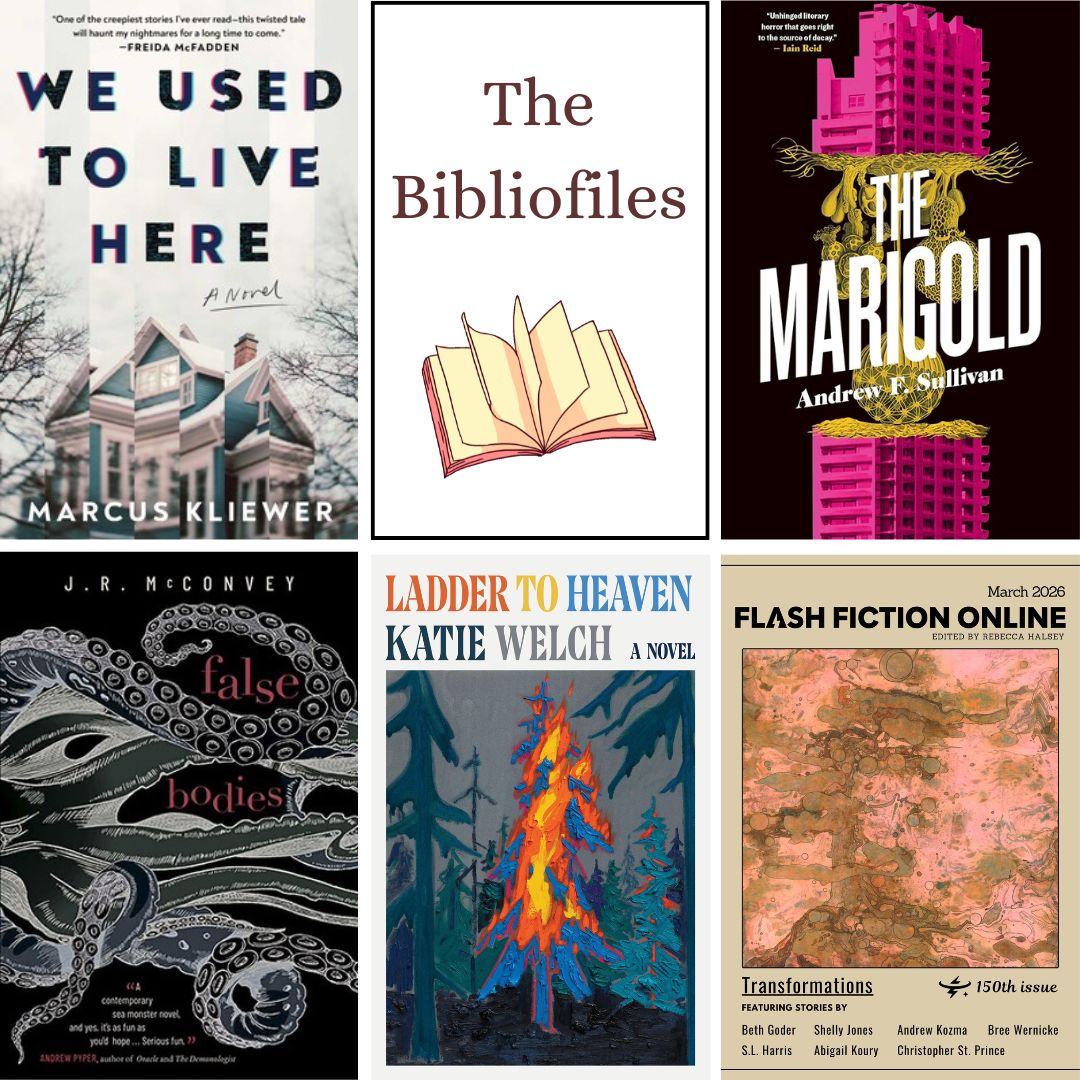
I found myself on a bit of a literary horror and current politics reading binge this month. Perhaps the two are connected?
Fiction
We Used to Live Here by Marcus Kliewer
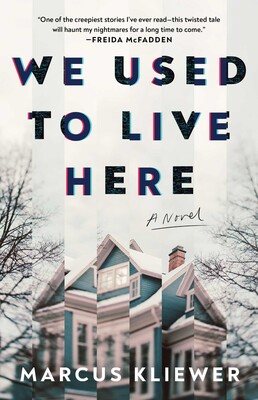
I love the story behind the horror novel We Used to Live Here by Marcus Kliewer. The book was originally published on the No Sleep subreddit, where it generated praise and attention. Netflix acquired the rights to it, and then the original tale was later adapted into the novel. Every writer’s dream!
I love the story in We Used to Live Here as well. It’s a creepy, slow-burning chronicle of a woman’s descent into madness. The story is mostly told from the POV of Eve Palmer, who is renovating an old house she has just acquired with her partner, Charlie. A family shows up on the doorstep one day claiming the father used to live there and asking for a tour.
Note: If anyone ever shows up at your home asking for a tour, say no!
The family are a little weird and get weirder as time goes on. And time does go on as things keep happening to stop the family from leaving. One of the kids plays hide and seek in the home, a storm snows them in, Eve hits her head and needs care, and so on.
The longer the strangers are there, the more disturbing the house gets. Physical features of it change. Eve and Charlie’s dog gets agitated by things they can’t see. Ants march to a secret space in the basement. It’s all the more suspenseful because the house is still new to Eve and she doesn’t know it nearly as well as the family — or as much as they seem to anyway.
The book is intercut with documents which explore various supernatural theories — police reports and Internet posts and so on. All of it contributes to the growing sense of the supernatural around the house itself.
But it’s not just a haunted house story. Eve’s sense of reality begins to break down and the reader finds themselves in an uncertain situation. Is the house actually haunted? Are the strangers supernatural in some way? Or is Eve crazy and getting crazier?
If horror is your thing, then you’ll want to check out We Used to Live Here. Just don’t read it at night if you’re planning on getting any sleep.
Link: https://www.simonandschuster.ca/books/We-Used-to-Live-Here/Marcus-Kliewer/9781982198794
The Marigold by Andrew Sullivan
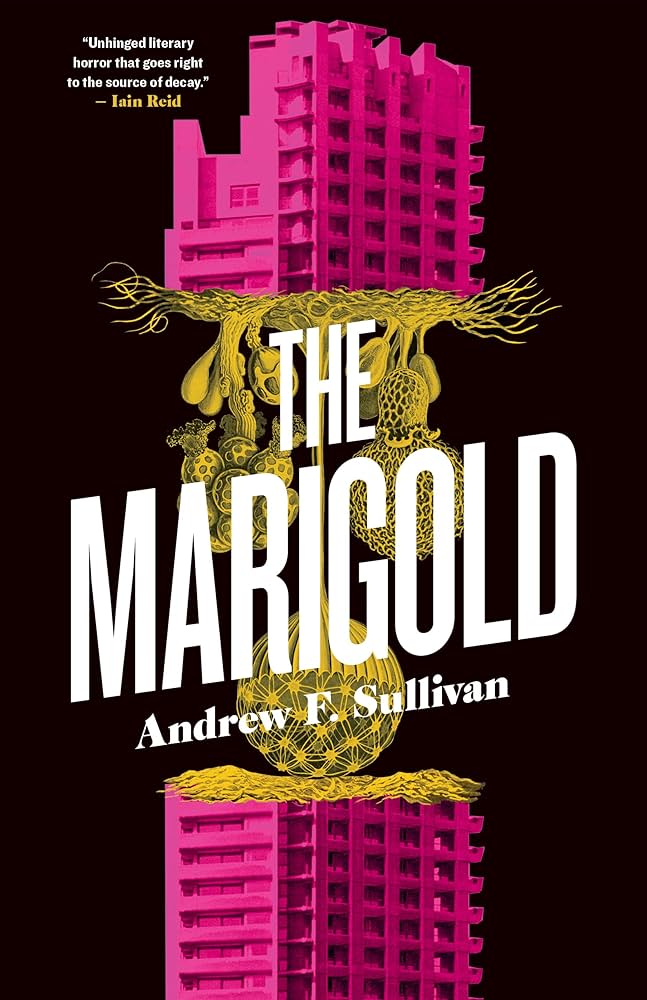
The Marigold is weird literary horror for a generation or maybe generations at this point raised in the nightmare of unaffordable housing markets and gig economies.
In The Marigold Toronto has been built on the blood of innocents — as in the developers use actual human sacrifices to ensure the smooth construction of their projects. The Marigold goes on to implicate the entire western system of capitalism as exploitive and coming with a high cost: “Everything you own comes from bodies and blood, one way or another. Your phone. Your clothes. The good things you have are primarily drawn from the misfortune of others. Blood, sweat, and tears. All of it literal.”
There is a strange counter to this in the form of the Wet, a sentient mold that is spreading throughout the city and absorbing both the dead and the living Borg-style. It doesn’t exactly offer hope of turning things around, but it does undermine the existing system of abuse by the powerful and corrupt and offer instead possibility for change, as mysterious and uncertain as that change may be.
Link: https://ecwpress.com/products/the-marigold
The Sacrificials by Andrew Kozma
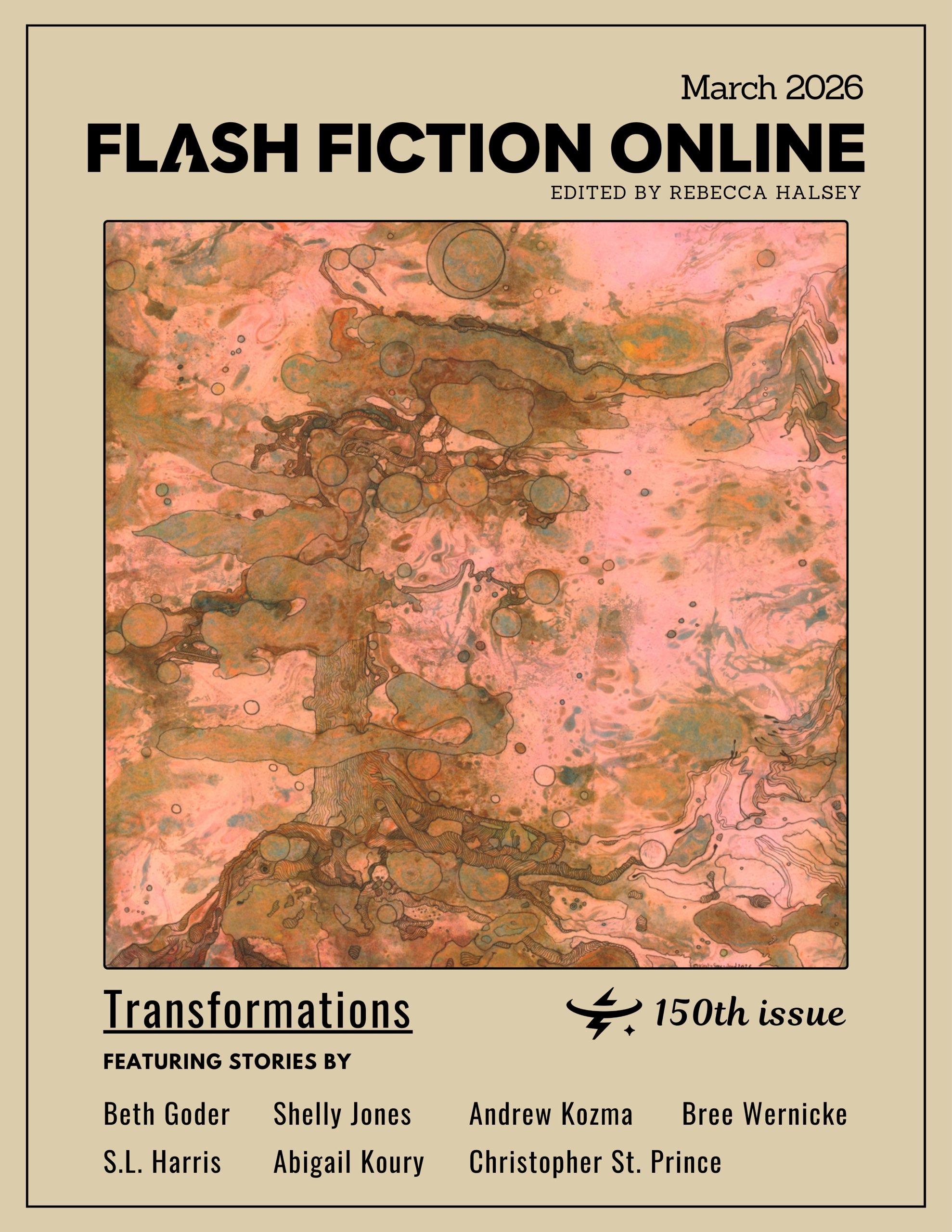
An eerie little tale about what happens when strange beings visit a city and everyone decides to celebrate.
Link: https://flashfictiononline.com/issues/march-2026/#the-sacrificials
Ladder to Heaven by Katie Welch
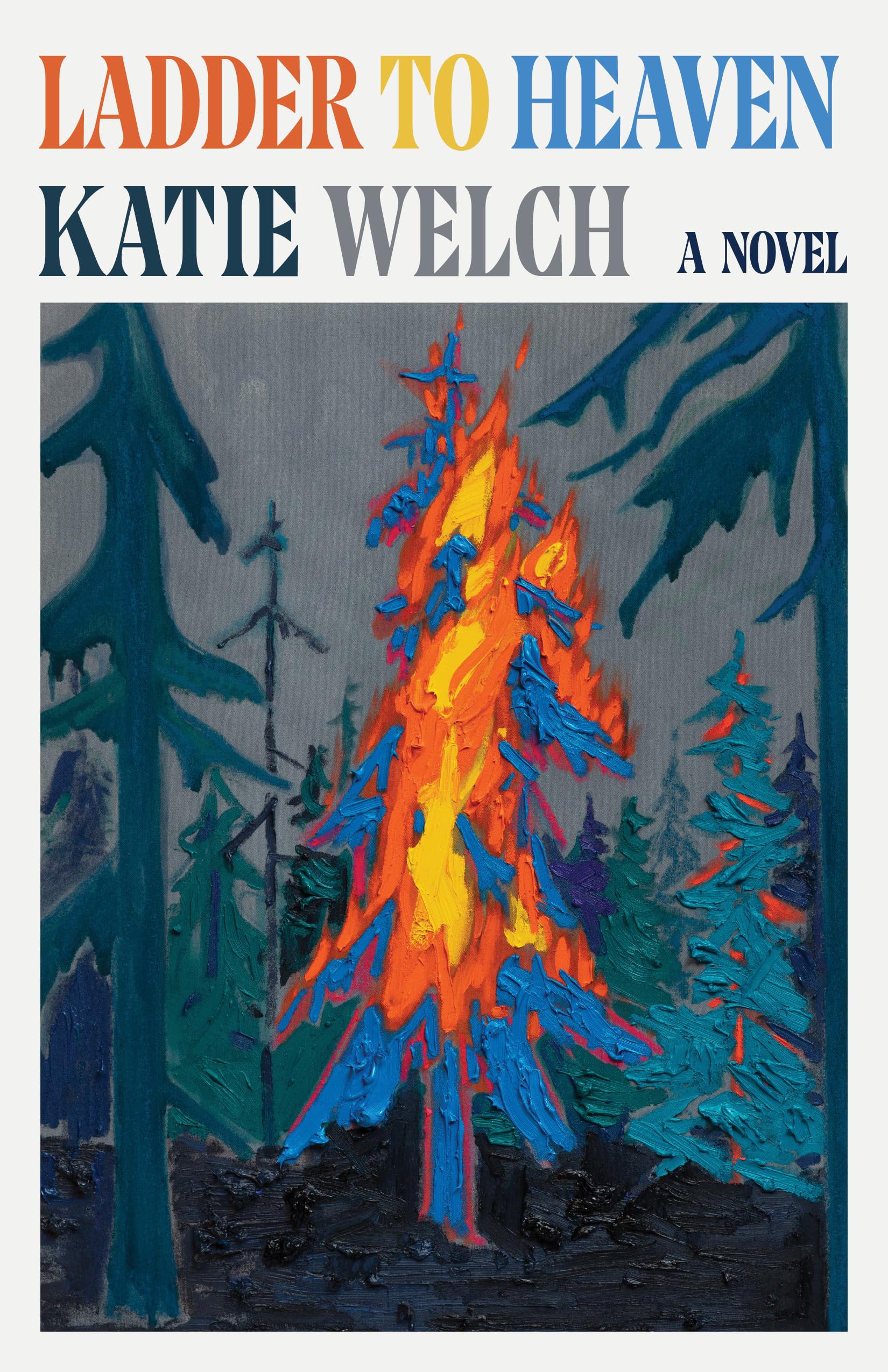
Katie Welch taps into some of the apocalyptic anxieties that permeate the West Coast with her novel Ladder to Heaven. The book is set slightly in the future, after an earthquake has shattered society. It’s also changed the world in very strange ways. People can suddenly talk to animals and the protagonist, Del, spends much of her time in a post-apocalyptic world telling a pair of sea lions the story of her life. The sea lions are puzzled but also intrigued by her tale of addiction, isolation and rebirth. It’s a complicated book that doesn’t have easy answers to the questions it raises but suggests there is always goodness to humanity no matter how bad things get.
Link: https://bookstore.wolsakandwynn.ca/products/ladder-to-heaven
False Bodies by JR McConvey
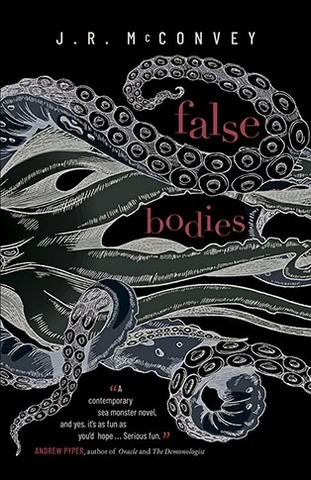
Looking for some seriously strange squid lit? Try JR McConvey’s False Bodies.
When an entire crew of oil rig workers off the east coast are found dead with sucker marks on their bodies, an oddball detective nicknamed Yeti decides to investigate.
He soon finds the mystery is even more eerie than it seems. The dead bodies get a little tentacley after death, he’s plagued by weird visions and even weirder visitations, and there’s a crazy cult lurking behind the scenes of St. John’s, Newfoundland.
It turns out the oil company is run by a former tech bro of the deranged prophet genus and the rig was drilling for more than oil. When will we learn that just because we can doesn’t mean we should?
Worth the read just for the scene involving a squid and a Terry Fox statue!
Link: https://breakwaterbooks.com/products/false-bodies?_pos=1&_sid=00804c9ca&_ss=r
Non-fiction
Canada Is Already at War with the US – We Just Don’t Know It Yet by Patrick Lennox
“In the eyes of the Trump administration, Canada is just another big blue state—another Minneapolis. This is because we are a liberal, democratic, multicultural mosaic, because we believe in minority rights and public health care and the right of a woman to choose. We believe in a free press and a fair vote. We believe in the rule of law and the principle of police independence. We believe in science and objective reality. And because of this—and because of our small population and enviable natural resources—we’ve become its target.”
Link: https://thewalrus.ca/canada-is-already-at-war-with-the-us-we-just-dont-know-it-yet/
How Alberta’s Separatist Movement Could Shake North America by Christopher Hernandez-Roy and Randy Boissonnault
What is behind Alberta separatism and what could it mean for Canada and North America?
Link: https://thewalrus.ca/how-albertas-separatist-movement-could-shake-north-america/
Canadians Love a Conspiracy Theory by Lucan Way
Is Canada’s democracy in danger?
Link: https://macleans.ca/politics/canadians-love-a-conspiracy-theory/
Before Paris, there was Toronto— where Ernest Hemingway learned to write by Joseph Frey
Take a tour of Hemingway’s Toronto residences and learn how the city shaped him as a writer.
I was lonely and let an app pick my friends. Here’s how it went by Amarah Hasham-Steele
A new wave of apps is looking to help you find friends — for a price.
Link: https://thewalrus.ca/i-was-lonely-and-let-an-app-pick-my-new-friends-heres-how-it-went/