The Write Life: Research but don’t research too much
Almost every novel or story requires some amount of research or lived experience on the part of the writer. The closer it is to our world, the more this becomes important. But even fantasy novels typically involve research for sword fighting techniques if nothing else. And if you have lived experience of sword fighting, well, you’ve led a more interesting life than me.
Some novels are all about the research. I once took a class in university on the modern mystery novel where the prof theorized that a major appeal of the mystery genre was writers researching the hell out of a subject and putting it in a book — forensics, birding, rare coins, etc. It was one of the better theories I encountered in university.
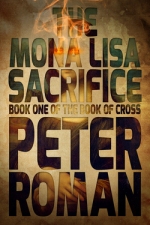
Research is critically important if you want to get a detail right or even just ensure the setting is accurate. For instance, I set part of The Mona Lisa Sacrifice in the Great Depression and I needed to get it right because the reader has to believe the world of The Mona Lisa Sacrifice is our world or the whole story falls apart. If the scenes set in the Great Depression era read as false, then the reader isn’t going to believe the parts of the book that feature angels moving among us in our world or faerie hiding out in abandoned pubs.
And in an age where everyone has unlimited information a phone away, you simply can’t bluff as a writer anymore or hope no one will notice an inaccuracy because it’s such an obscure detail. This actually came up when I was editing The Mona Lisa Sacrifice for publication with Wolsak and Wynn. The editor pointed out something I had gotten wrong in a scene set at the British Library. When I’d originally written it, I’d been relying on my memory of a visit there. But now there are video walkthroughs of the place available on the Internet. Which made it easy enough to fix that erroneous detail.
So if you need the reader to believe your world, then make sure you research the things that matter.
At the same time, don’t research too much. Sure, this may sound contradictory, but I contain multitudes and all that. (It’s Whitman – research it.)
The danger of research is that it can get in the way of creativity. A writer can research the subject so much that it kills their interest in the story because all the details of reality fill their mind and don’t leave room for the story, or contradict it in some way. Or they just get tired of the whole thing and the story loses its magic for them.
The key thing to remember when researching for a work of fiction is the research should serve the story not the other way around. Get the details you need right to make the story work and don’t worry about the rest.
Of course, you can always take liberty with facts and change the details to suit your story. We’ve all seen author’s notes that flag they have altered history to make a more compelling story. Just make sure you do flag it, or readers may think you haven’t done your research.
Related
- The Write Life: You need a second brain
- The Write Life: Make your desk a happy space
- The Write Life: You can’t do it alone
- The Write Life: Support your community
- The Write Life: Plotting or pantsing?
- The Write Life: How’s your focus?
- The Write Life: Write wonder
- The Write Life: What kind of book is this?
- The Write Life: Why use word trackers?
Posted on April 21, 2026, in Journal, The Writing Life and tagged Journal, The Write Life. Bookmark the permalink. Leave a comment.





 peter darbyshire
Leave a comment
Comments 0