Blog Archives
The world needs urban fantasy now more than ever
The rise of fantasy fiction and particularly romantasy may have its roots in escapism from the absurdity of the real world, but what about urban fantasy? Is there still a place for it in our literary landscape? Or is the real world beyond redemption?
For those unfamiliar with urban fantasy, it’s a subgenre that typically uses the real world as a setting but infuses it with supernatural or magical elements. The inhabitants of the real world are usually oblivious to all things weird in their world but not always. My Cross series of supernatural thrillers, for instance, is urban fantasy.
The urban fantasy genre has been going strong since the 1980s or so and has proven to be highly adaptable to publishing trends, mixing it up with romance, mystery, horror and more.
But is it still a viable genre for the 21st century, where the elite do what they will with no repercussions, wars are endless Groundhog Day distractions, global orders are disintegrating, and AI threatens to leave everyone jobless if not turned into paperclips? Can literature even engage in any meaningful way with a world like this?
The data suggests so. Urban fantasy accounted for around 25% of sales in 2025, and an increase in late 2025 indicates that urban fantasy is increasing in popularity even more. Readers haven’t given up on our world yet.
I firmly believe that it is time for a resurgence of urban fantasy. The world is seriously lacking in wonder — and I don’t mean WTF wonder but magic. We need something that can transcend this miserable existence but also transform it, in the imagination if nowhere else.
Because the imagination is the ultimate reality, isn’t it? It’s how each of us perceives the world and shapes it — how we understand the world.
The magic of urban fantasy is something that ruptures reality, that plays by different rules or no rules at all. It rejects the logic of the world and promises freedom and change.
Urban fantasy is the re-enchantment of the mundane, the promise of a world that is more than bland and generic offices, algorithms and billionaires that exploit us at every turn, and lives with no future. In urban fantasy deeper meaning to our existence isn’t gone, it’s simply hidden and waiting for us to discover it.
The world needs urban fantasy now more than ever to show us what it can really be.
The appeal of fantasy in an absurd world
What’s driving the boom in fantasy books?
The publishing industry has seen huge increases in fantasy sales over the last few years, to the point that even Smaug would be envious. The fantasy and sci-fi category jumped 41% in total sales in 2024 and performed even better in 2025. (I haven’t yet seen the final numbers for 2025, but predictions were around a 25% increase over 2024.)
While much of this has been driven by the marriage of romantasy and BookTok, there’s more to the story.
Fantasy’s appeal as escapism tends to rise when the real world becomes too difficult and stressful. Certainly in a time of serial wars, the breakdown of global orders, unaffordable housing, food insecurity, the Epstein revelations, AI job losses and everything else, an alternative fantasy world can seem pretty appealing. Especially if it’s a world where good can actually triumph over evil and individuals are capable of making a difference. In that sense, fantasy is as inspirational as it is a psychological refuge.
And is it really any surprise that romantasy, which is leading the fantasy charge, has exploded at the same time that women’s rights are under attack in the real world?
It’s worth remembering that Harlequin romances used to be very popular in non-western countries as much for the freedom and agency their characters enjoyed as any romantic storylines. It was no accident that when the Berlin Wall fell Harlequin employees were right there, handing out copies of their books to the East Germans streaming across the border. Romantasy is a logical continuation of that in a world that has grown perhaps even more distressing for many.
The very nature of fantasy as presenting alternative worlds to our own also makes it very attractive to those interested in writing about queer subjects or issues of diversity and representation — at the same time those are under attack in the real world. You can create whatever kind of social order you want in fantasy, including those currently not possible in real life.
So what’s ahead for the fantasy genre? Has it reached its apex — its Mount Doom, if you will?
Likely not. Especially if you check out the latest deals at Publisher’s Marketplace, which is one new romantasy title after another. Given the state of the world, it would be wise to expect an ever expanding universe of imaginary worlds where fictional characters can rise from being powerless nobodies to actually change their worlds for the better.
The real world isn’t going to improve any time soon, so we may as well imagine what alternatives could be like and dream of lives where we all matter. There’s no better genre for this in the present moment than fantasy.
Spring is coming – but I still have a new book out!
I’ve been seeing robins everywhere the last couple of weeks, which is a sure sign that spring is coming. With it will come a bloom of new books. So it’s a good time to remind people I still have a new book out! The Wonder Lands War is a supernatural thriller full of magic libraries, enchanted islands, immortal rogues, scheming angels and more.
If you have read The Wonder Lands War and liked it, please consider giving it a shoutout on your platform of choice. The best publicity for books is always word of mouth and personal recommendations. As I’ve said before, we’re all our own books sections now.
If you haven’t yet checked out The Wonder Lands War, please give it a read. Most bookstores now only carry new books for a few months or even less. Every copy that gets sold means the bookstore may keep carrying that book a bit longer — or even order new copies!
Thanks for reading and supporting authors like myself!
Happy Freedom to Read Week!
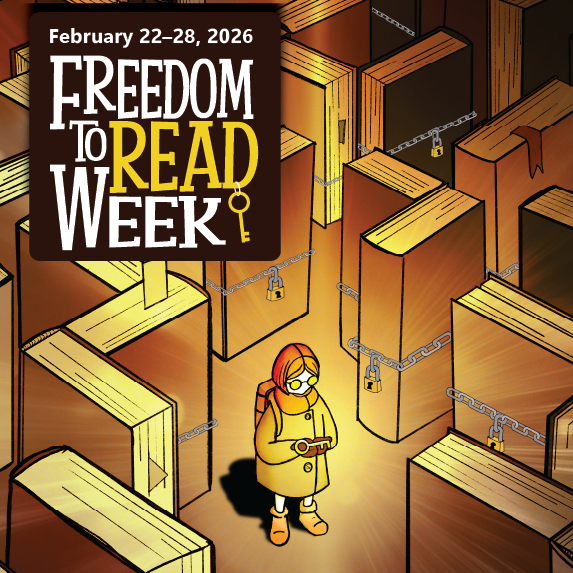
It’s Freedom to Read Week in Canada and it’s more important than ever to stand against censorship and support intellectual freedom.
You may think think Canada is immune from censorship but that’s not the case. A quick visit to FreedomtoRead.ca shows some of the books that people have tried to censor in this country.
They include:
- a Canadian poetry anthology
- The Handmaid’s Tale by Margaret Atwood
- queer memoirs
- Lives of Girls and Women by Alice Munro
- Maclean’s Magazine
- the graphic novel Persepolis
- Timothy Findley’s The Wars
- And many more.
Visit FreedomtoRead.ca and learn how you can help.
Above all, keep reading!
Crypt of the what?: The February 2026 Bibliofiles
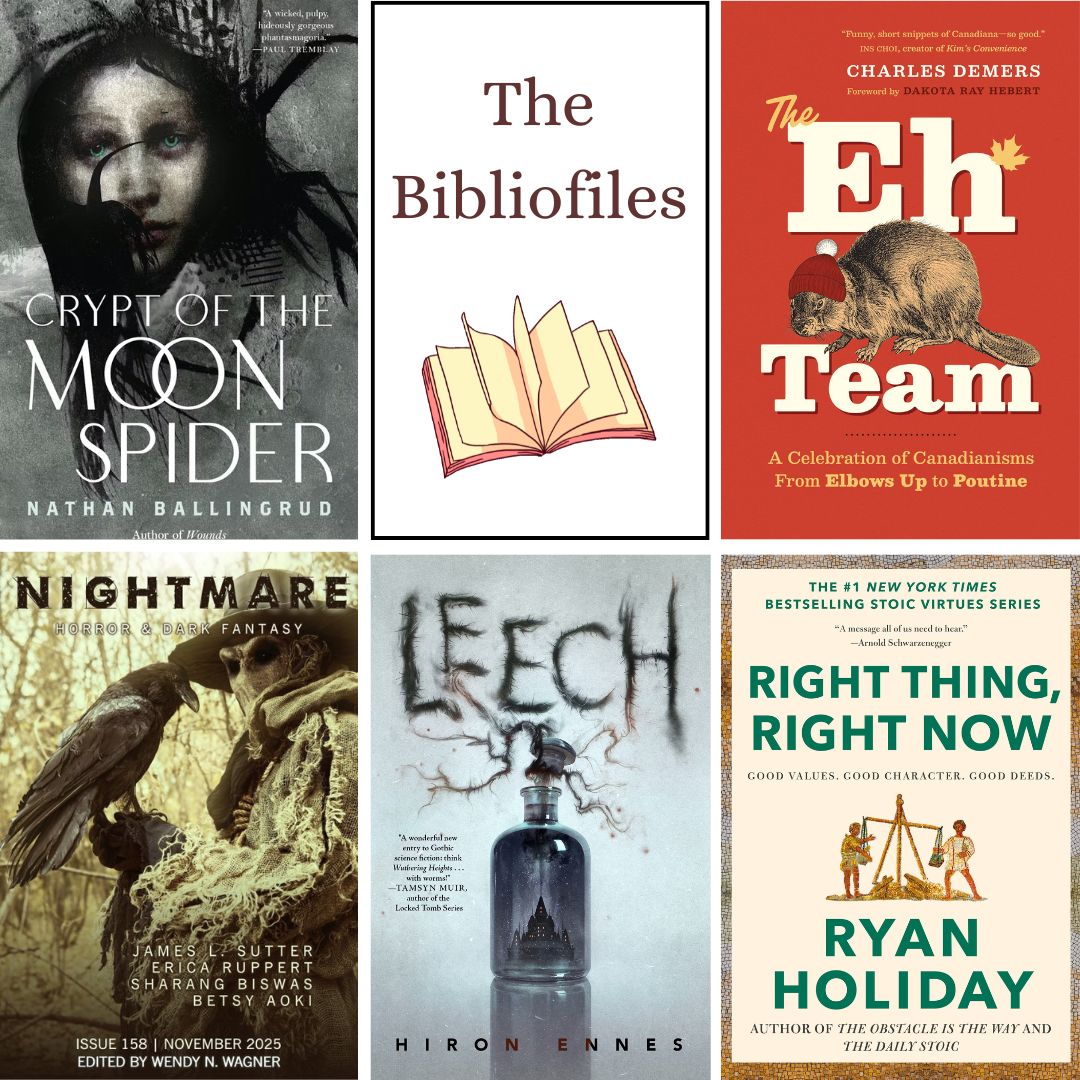
February was mostly a weird lit month for me, with a little Canadiana and stoicism thrown in. That probably has something to do with the state of the world.
Fiction
Crypt of the Moon Spider by Nathan Ballingrud
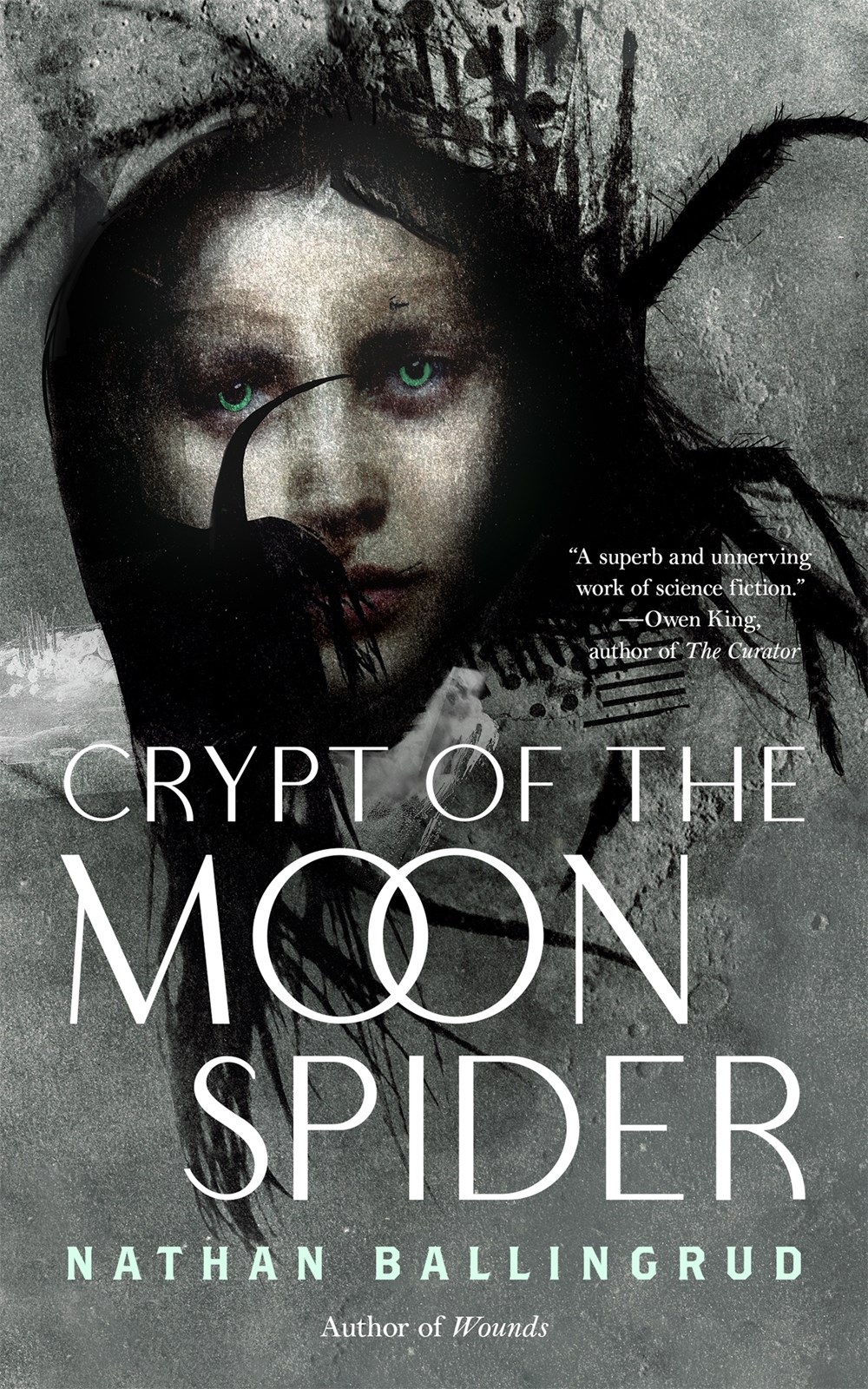
Crypt of the Moon Spider by Nathan Ballingrud is one of the weirdest books I’ve ever read, and I’ve read a lot of weird books.
A young woman visits a sanitarium of sorts on the moon, where she has spider silk put in her brain to treat her melancholy. Spider silk is special here, because the sanitarium sits atop a cave that is home to a dead giant moon spider still worshipped by a strange sect. Then things get strange.
Link: https://torpublishinggroup.com/crypt-of-the-moon-spider/
Leech by Hiron Ennes
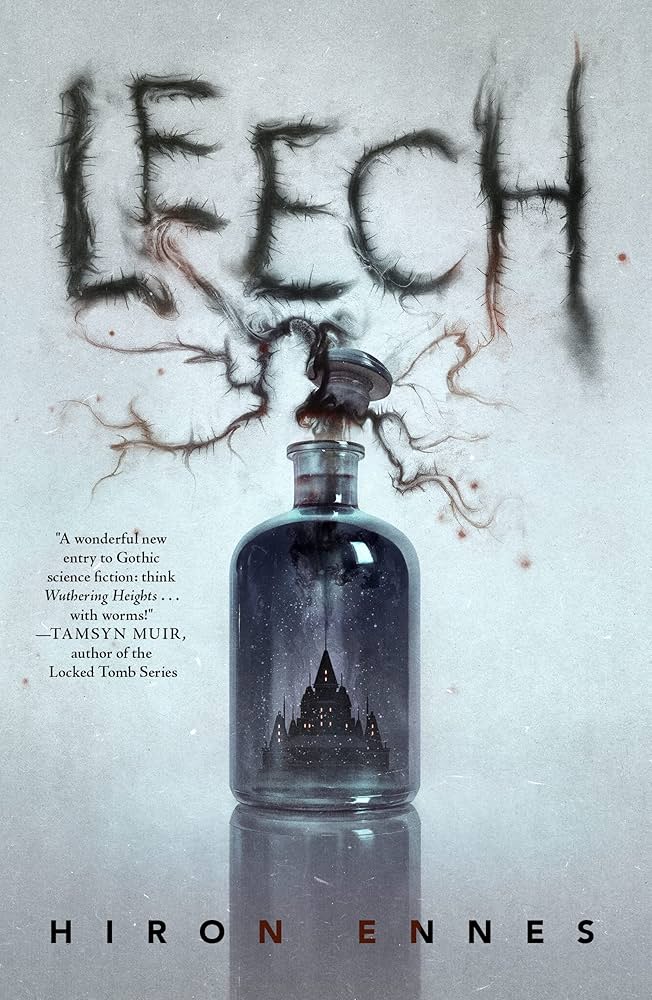
Leech by Hiron Ennes is an intriguingly weird gothic horror novel like none I have ever read before.
A doctor from the mysterious Institute arrives at a baron’s remote manor to investigate the death of the previous doctor. The manor is home to all sorts of eerie and strange characters — the grotesque ever dying baron, his wife whose children keep dying under mysterious circumstances, creepy twin girls, a mute servant and more.
It’s also home to a very mysterious organism which seems to have colonized the dead doctor and caused him to commit suicide. The reasons why soon become clear.
If that isn’t enough weirdness for you, the doctor from the Institute is a sort of parasite herself, part of a collective hive mind that takes over people to become the Institute. And neither parasite can let the other persist.
There’s all sorts of intersecting philosophies and social critiques here — bodily autonomy, individualism vs. social conformity, the degradations of aristocracy and more.
Think The Thing meets Dracula meets The Name of the Rose, and you’ll have an idea of the flavour of Leech.
Link: https://torpublishinggroup.com/leech
The (Mis)Fortunes of Saint Ilia’s School for Gifted Girls, In No Particular Order by Catherine Tavares
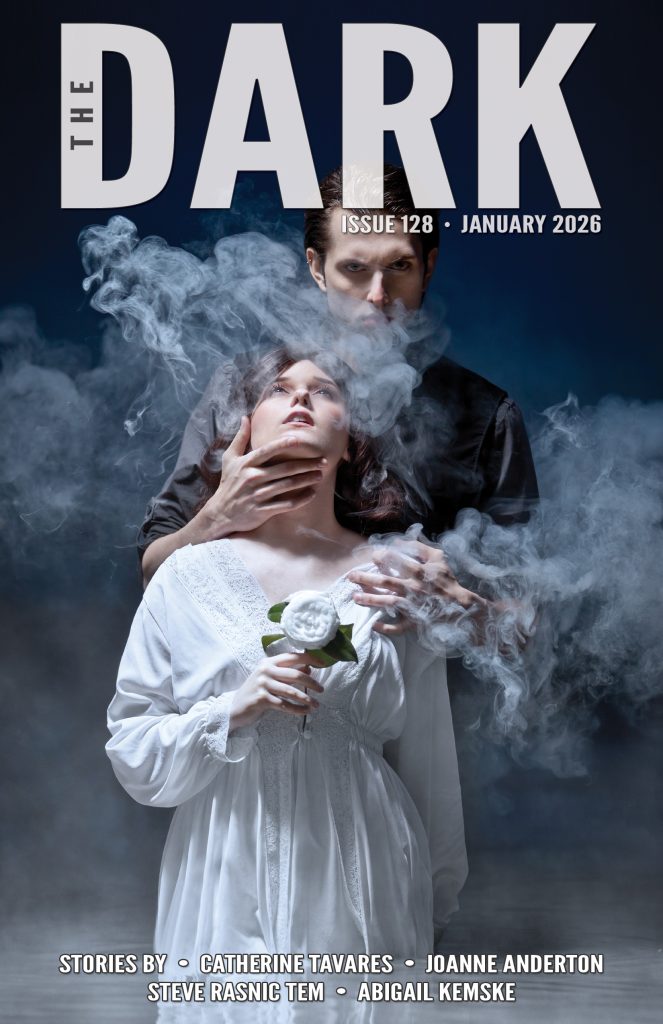
A very clever “choose your own adventure” type of murder mystery set in a school of superpowered girls and women. I had to go through all the options because they were so much fun.
Bleed for Me, Bro by Sharang Biswas
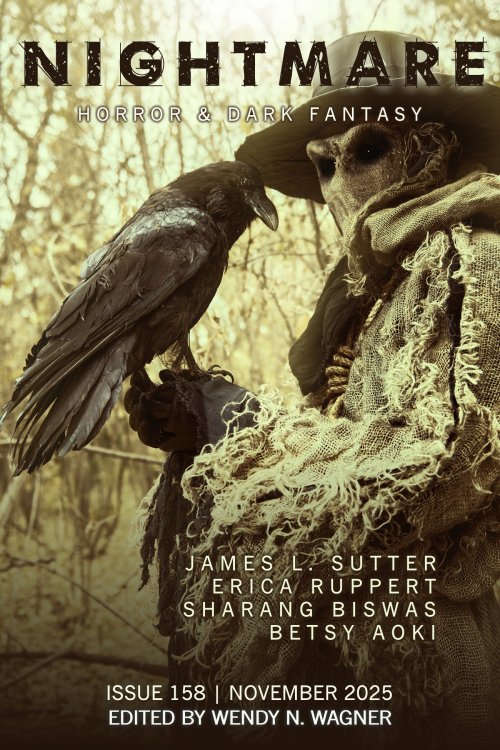
Spec meets kink in this hardcore, fantastic version of S&M clubs with real mutilation, death and resurrection.
I am so vanilla.
Link: https://www.nightmare-magazine.com/fiction/bleed-for-me-bro/
Non-fiction
The Eh Team by Charles Demers
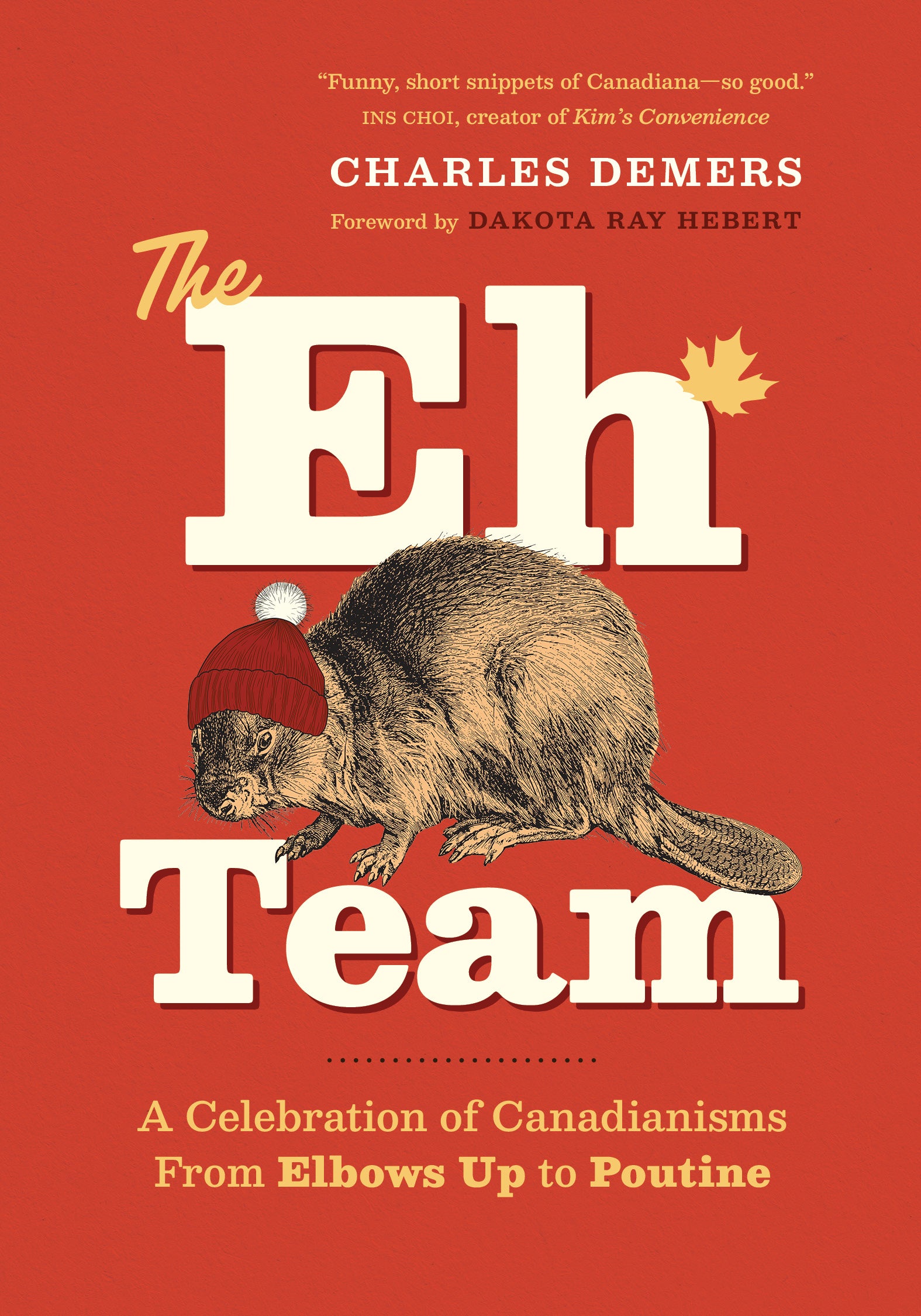
The Eh Team by Charles Demers is a delightful and charming encyclopedia of Canadiana. Demers muses on such Canadian classics as Nanaimo bars, Cheezies, The Friendly Giant, Wok with Yan and more, all with comedic wit and perfectly personal anecdotes. It should be put in the beside drawer of every Canadian hotel.
Link: https://greystonebooks.com/products/the-eh-team
Right Thing, Right Now by Ryan Holiday
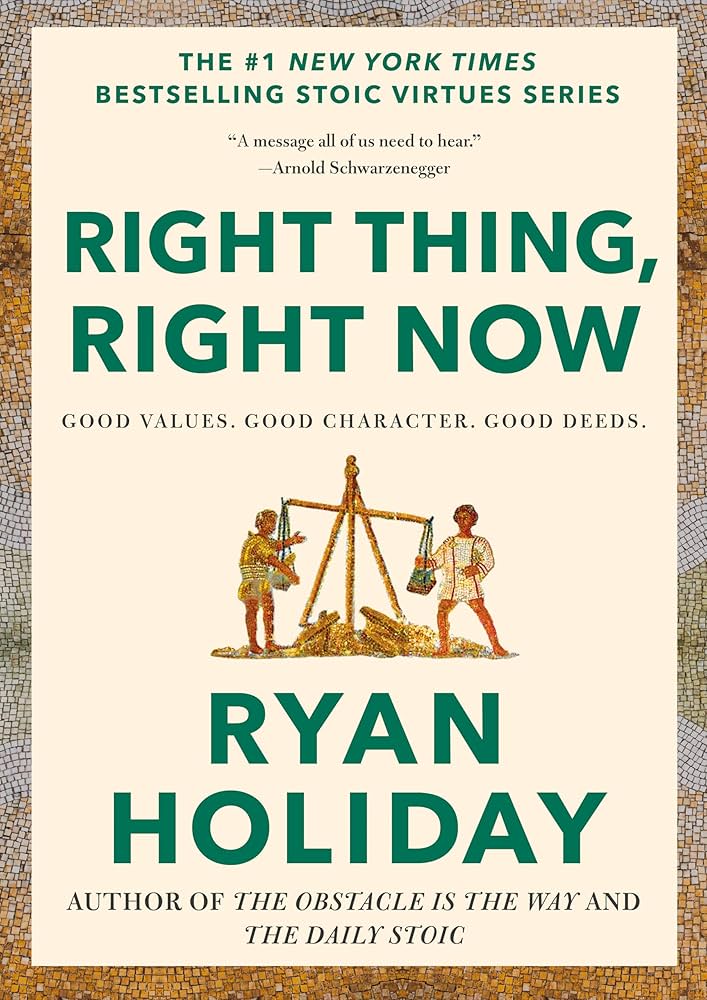
Right Thing, Right Now by Ryan Holiday takes a different direction from some of his previous books, most notably The Obstacle Is the Way and Stillness Is the Key. Those books are largely concerned with illustrating ways to handle the chaos and uncertainty of life. They’re incredibly important guides on how to live properly and how to be calm and present in the storm of modern existence.
Right Thing, Right Now takes people beyond the self to consider how to live properly in society — and history. It points out quite accurately that this often means going against the social or political current and may require sacrifice.
In many ways Right Thing, Right Now is a more challenging book than Holiday’s previous ones as it requires you to consider more than your self and even consider actions that may be harmful to your self but still be the right thing to do. It’s much less universal — The Obstacle Is the Way can be adopted by anyone, but Right Thing, Right Now will divide people politically.
I admit I found it occasionally frustrating and not as immediately useful to me as The Obstacle Is the Way or Stillness Is the Key. However, that’s the point of it. Sometimes we have to think of larger things than ourselves. And if there was ever a time to be concerned with doing the right thing, it’s right now.
Link: https://store.dailystoic.com/products/right-thing-right-now
How They Messed Up the Book Industry by Ken Whyte
“In hollowing out the institutions that select, promote, and sustain books, Canada surrendered control not just over scale and distribution, but over how (and if) its own history, conflicts, and ambitions are narrated and remembered.”
What’s to be done about the state of Canadian publishing?
A threatening trend
The spam book club reviewers that have been irritating authors with requests for paid services are now moving on to extortion. A number of writers have shared messages they’ve received stating that if they don’t respond, they’ll get negative reviews from “a community of readers” with the intent of damaging the author’s reputation.
What’s the next step? Making damaging claims elsewhere about those writers if they don’t pay up? Something even worse?
I would love for platforms like Amazon, Goodreads, Indigo, etc. to improve the way they deal with negative reviews, but I’m not optimistic. I suspect they either don’t have the resources or don’t care. And I’ll save the argument for whether books should even be rated at all for another day.
This disturbing situation highlights the need for the real community of readers to speak out about the books that matter to them. Recommendations by actual readers to their networks is the best form of publicity after all, especially as the traditional media has essentially abandoned books coverage. Leave positive reviews of the books that you love on your platform of choice, talk about them on social media, bring them into your book club, buy them as gifts, whatever.
If we don’t talk about the books we love, who will?
He panted heavily where?
I keep seeing news that the romance publisher Harlequin is shutting down its line of historical romances. I guess true love doesn’t last forever?
This reminds me of my own personal history as a Harlequin proofreader, where I read hundreds of historical romances. I admit they left me a little puzzled. How were the heroines always able to make peach cobbler out of nothing but dirt and tumbleweeds? Why did the heroes always somehow manage to forget they were land rich? What happened to all the Indigenous people?
I guess I’ll never know the answer to those questions now.
I will, however, have the memories of my favourite typos. There is one that will always stand out for me — the alpha male of typos, if you will.
“He panted heavily in her rear.”
To be clear, my job was to catch typos and correct them. However, I argued long and hard that this was not a typo. There were no errors in this sentence, I protested. It was all correct and we should leave it as written, so as to respect the wishes of the writer.
Alas, dear reader, I was overrruled.
Despite that, Harlequin remains one of my favourite jobs to this day. Although not for the money. It was very much a labour of love.
Anyway, in the spirit of Harlequin I hope you all find true love and someone who will pant heavily in your rear.
We’re all the books section now
I’ve seen a lot of conversation online about the Washington Post shutting down its book review section, and I can’t say I’m surprised whenever I see such news. I ran a books section at a Canadian daily newspaper for a time, and it was incredibly difficult to generate any interest in book reviews. Maybe that was because of my editorial oversight, but I think the overall trend of diminishing books coverage backs up my personal observations.
And if you compare the readership of books pieces to sports coverage? Book reviews aren’t even in the same league.
My time as a books editor was before BookTok became a thing, so I can only imagine it’s that much harder to get attention now with the competition from social media, dedicated literary sites, book bloggers, and so on.
Interestingly, I didn’t see the same decline in book stories. If I could find the right angle on an author profile or news about a book, the readership was often considerable and engaged. One of the most popular stories I ever wrote was about Vancouver writer Sebastien de Castell’s rise in the fantasy scene while he was still an emerging scribe. It far outperformed any reviews we ever published, as did most other pieces that had some sort of “story” angle to them.
In a world where we curate everything to fit our interests (okay, the algorithms curate everything to fit our interests), I think very few readers care about someone else’s opinion of a book. However, I firmly believe there is a very large audience out there that is still interested in discovering new books they may enjoy, which is why the new mediums are so popular. But they are very different models of conversation around books and reading than the traditional books section.
There’s one thing that remains true irregardless of technological and economic change. Word of mouth is the best possible publicity for a book. Passionate readers urging others to check out their favourite books leads to more passionate readers.
So yes, we can mourn the death of the Washington Post books section. We should mourn the death of any such place that facilitates conversations around culture. But each of us should also become our own books section. Share your favourite reads. Talk about them on your platform of choice, review them where you like, tattoo your favourite lines on visible parts of your body. Carry on the conversation and keep culture alive. Because we see what happens when people don’t care about culture.
As always, thanks for reading.
Poetic Devils: The January 2026 Bibliofiles
January was a month where I read a bit of everything: fantasy, literary fiction and even poetry. What better way to start the new year?
Fiction
The Devils by Joe Abercrombie
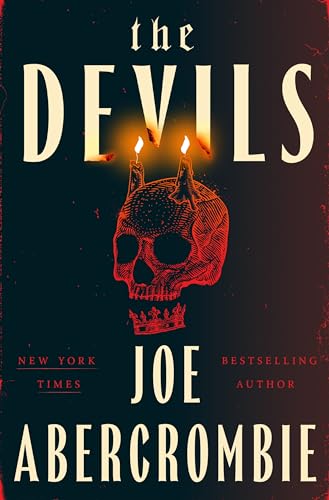
The Devils may be Joe Abercrombie’s best novel yet, and that’s saying something given his backlist of contemporary fantasy classics.
The Devils isn’t set in Abercrombie’s usual fantasy realms but instead takes place in an alternate history where Europe is divided by a religious schism and facing an invasion of… elves.
Yes, elves.
The reader is thrown into this familiar yet strange world to follow a papal special forces squad as they escort an heir to the eastern throne despite the wishes of the current occupants of the throne. And this is where things get really fantastic because this papal squad are mostly supernatural creatures — a vampire, a necromancer, a werewolf, a soldier who can’t die, an elf and so on. Those trying to stop them are even more supernatural — animal soldiers and fish pirates and sorcerers and the like.
It’s a crazed, bizarre and action-packed fantasy thriller that invokes other genre classics — the Magnificent Seven, Frankenstein, the Island of Dr. Moreau and more.
Above all, it’s classic Abercrombie, though — as darkly humorous as it is grimly violent and morally ambiguous.
If you’re looking for similar reads, try Sebastien de Castell’s The Malevolent Seven series, Christopher Buehlman’s The Blacktongue Thief or Cameron Johnston’s The Maleficent Seven.
Link: https://www.goodreads.com/book/show/233800039-the-devils
Ink & Sigil by Kevin Hearne
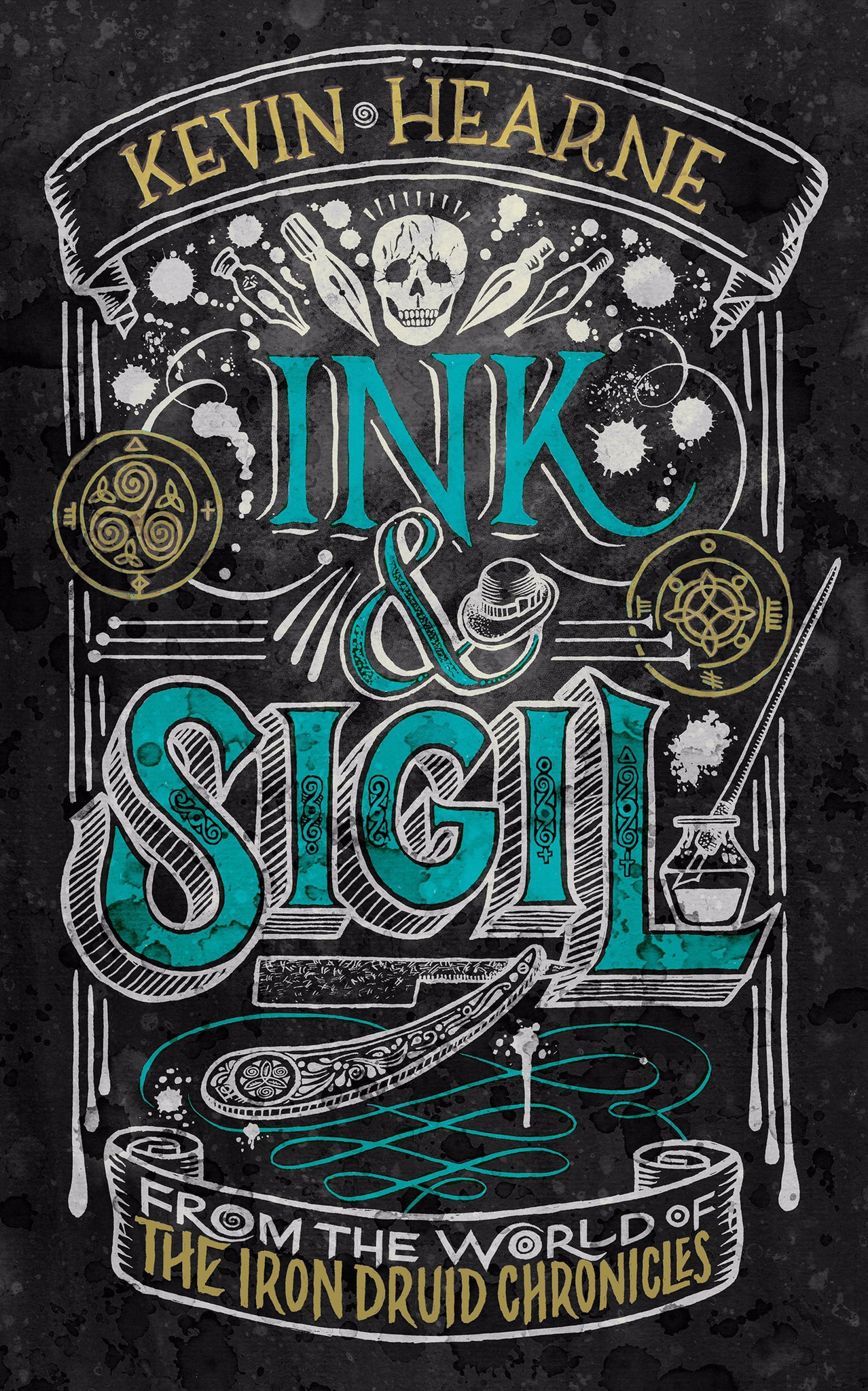
The first in a parallel series to Kevin Hearne’s Iron Druid tales, Ink and Sigil follows Al MacBharris, a sort of magician in Glasgow. Al uses sigils and other arcane tricks to try to keep the realms of supernatural beings such as hobgoblins and faerie hidden from our own. But when his apprentice winds up dead, Al is drawn into a secret plot to unleash chaos upon his world. A fun yet dark tale with plenty of action, a great magic system and a promise of many adventures to come.
Link: https://www.goodreads.com/book/show/49183690-ink-sigil
Cherry by Nico Walker
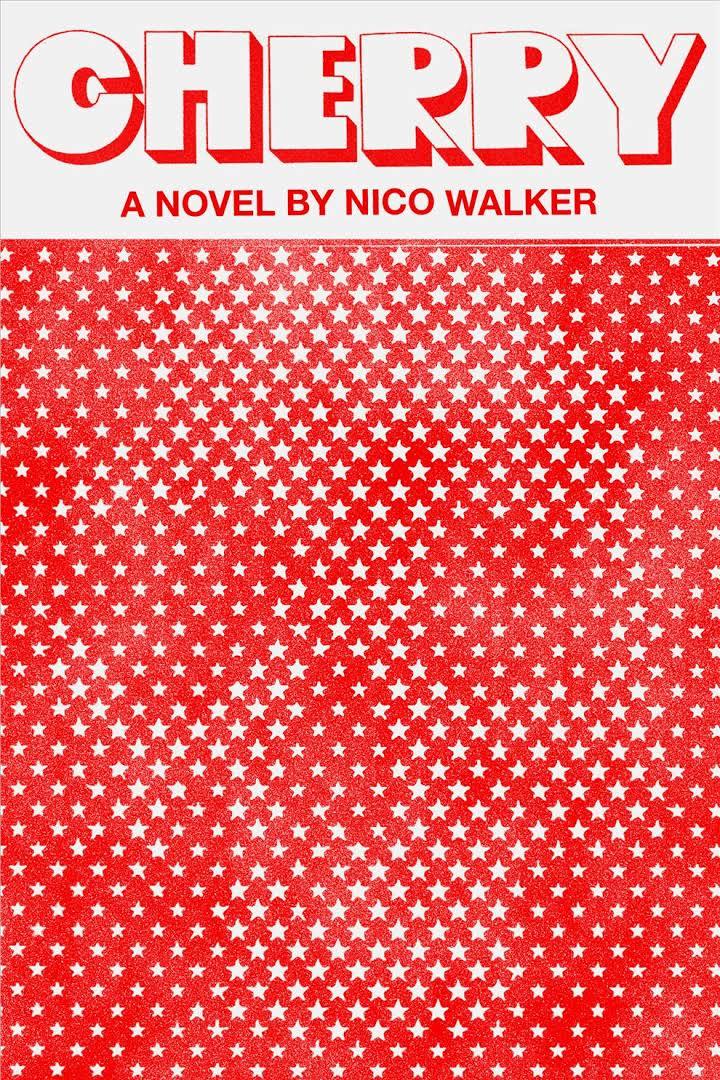
The hallucinatory chronicles of a young American man who moves through life in a drug haze, joining the army and shipping off to Iraq, then returning to wander through a life of bank robberies and other misadventures. Jesus’s Son meets Catch-22.
Link: https://www.goodreads.com/book/show/36521370-cherry
Poetry
NMLCT by Paul Vermeersch
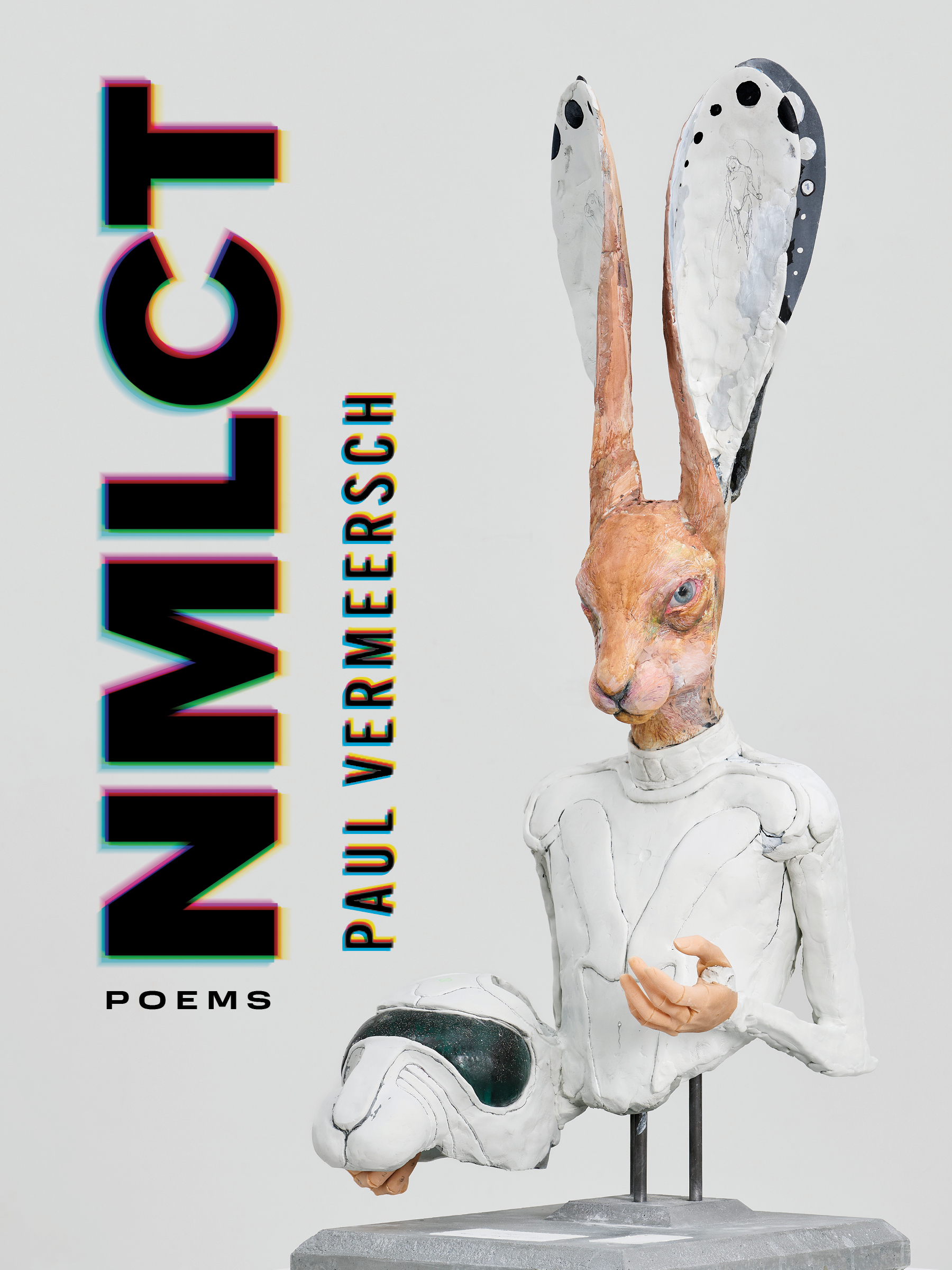
Rereading NMLCT by Paul Vermeersch and my mind is still blown. How to make sense of these poems that question the reality and hallucinations of our post-truth society. As if some haunted god was trying to speak to us through AI prompts, perhaps even to warn us.
“Is that what I want? I don’t know.”
“A rugged weird western edge”
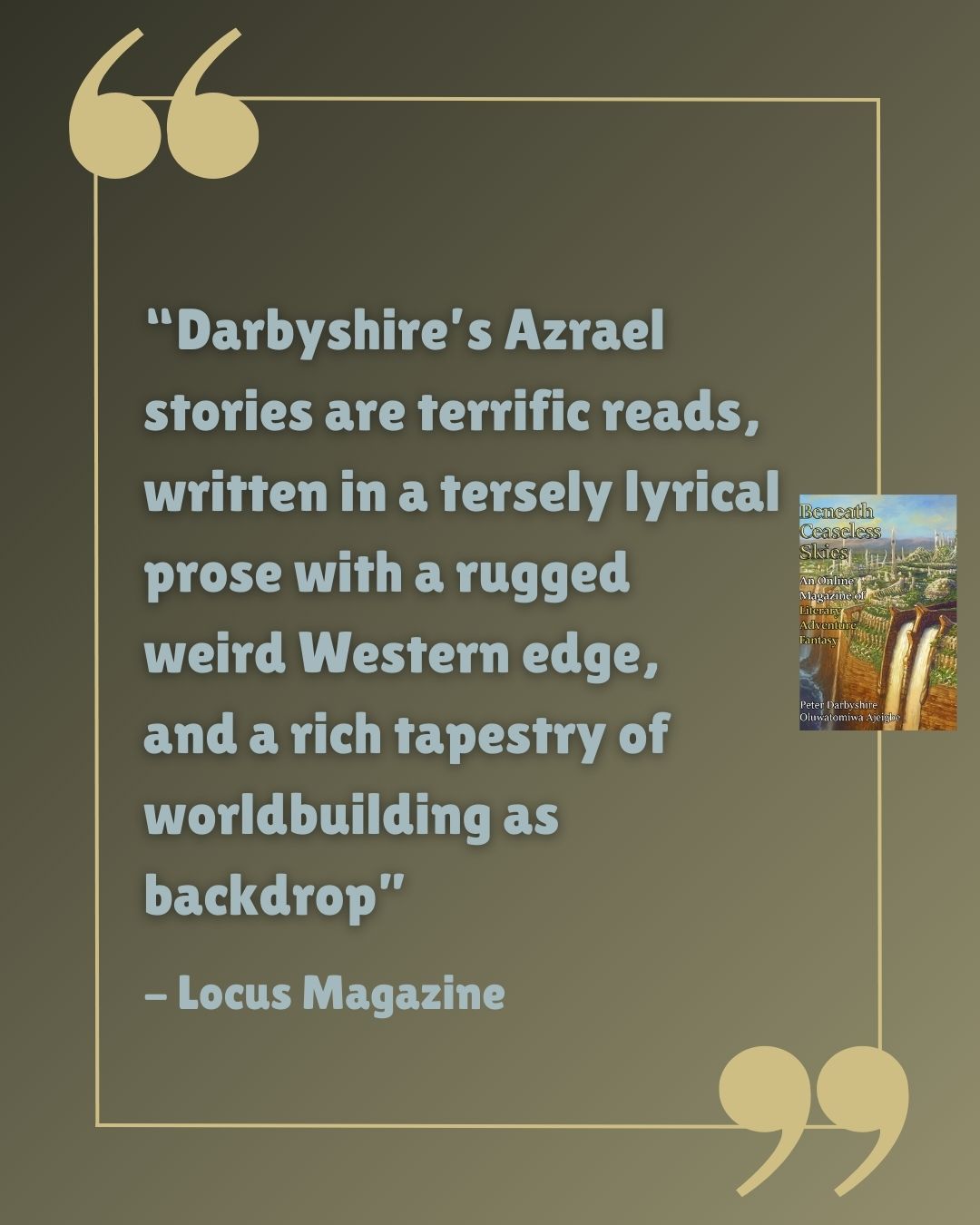
Delighted at this Locus Magazine review of my latest weird western tale!
“Darbyshire’s Azrael stories are terrific reads, written in a tersely lyrical prose with a rugged weird Western edge, and a rich tapestry of worldbuilding as backdrop.”
“The Angel Azrael Visits the Trading Post at the End of the World a Final Time” was published in Beneath Ceaseless Skies. Link: https://www.beneath-ceaseless-skies.com/stories/the-angel-azrael-visits-the-trading-post-at-the-end-of-the-world-a-final-time
Check out all my Azrael stories at peterdarbyshire.com/Azrael.





 peter darbyshire